
The Villa – Construction
How the villa on Štefánikova Street came into being in 1928 – 1930 (built by Kavasch & Son of Uzhhorod), and how it was saved almost a century later.
A symbol of luxury
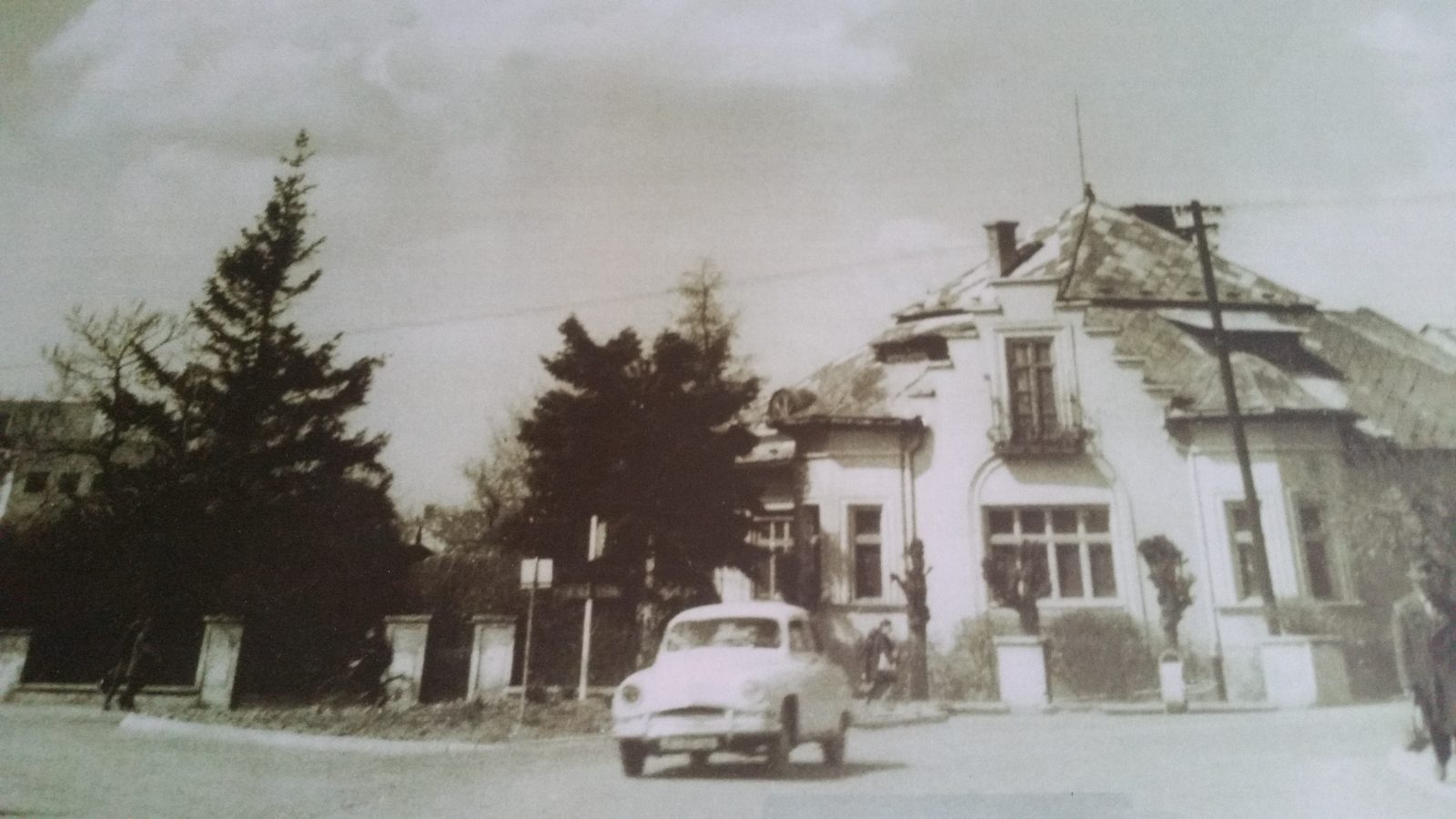
Archival research dates the start of construction to 1928. The design and construction were supplied by the Uzhhorod firm Kavasch & Son. Built in a historicist Art Nouveau style, the villa was a symbol of luxury and fine architecture in Sobrance.
The original design documents, signed and stamped by their authors, have survived to this day, together with confirmation that the building permit was issued. Besides his legal and notarial practice, Dr Maxim also traded in receivables.
At the 1930 census, five members of the Maxim family and two maids lived in the villa.
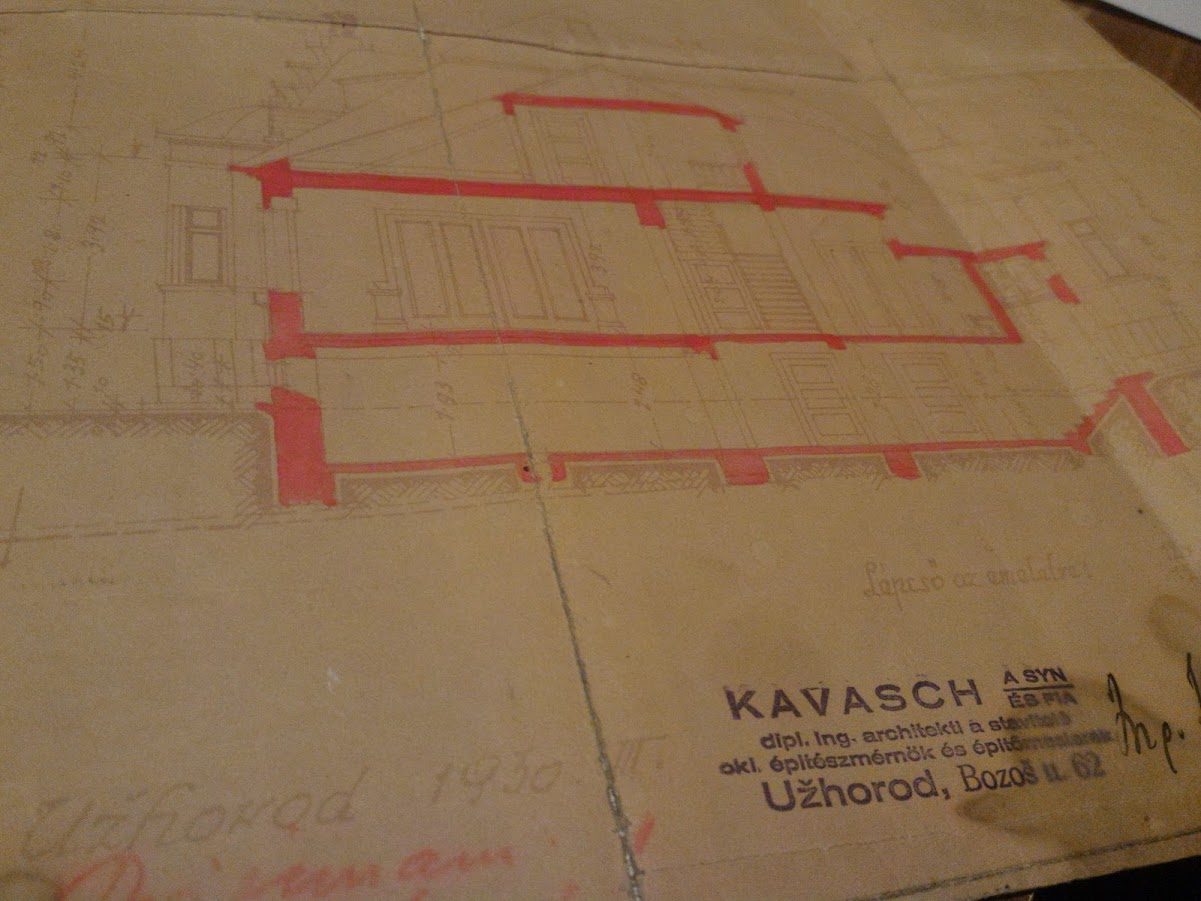
Kavasch & Son, Uzhhorod
Ernő Kavasch was born on 5 January 1870 in Ľubica near Kežmarok into a family of German settlers, and grew up in nearby Spišská Nová Ves.
The family moved to Uzhhorod after winning the tender to build the town’s railway station. Their descendants live in Slovakia, Ukraine and Hungary today.
More about the Kavasch family of architects (article in Hungarian) →
Art Deco from Košice
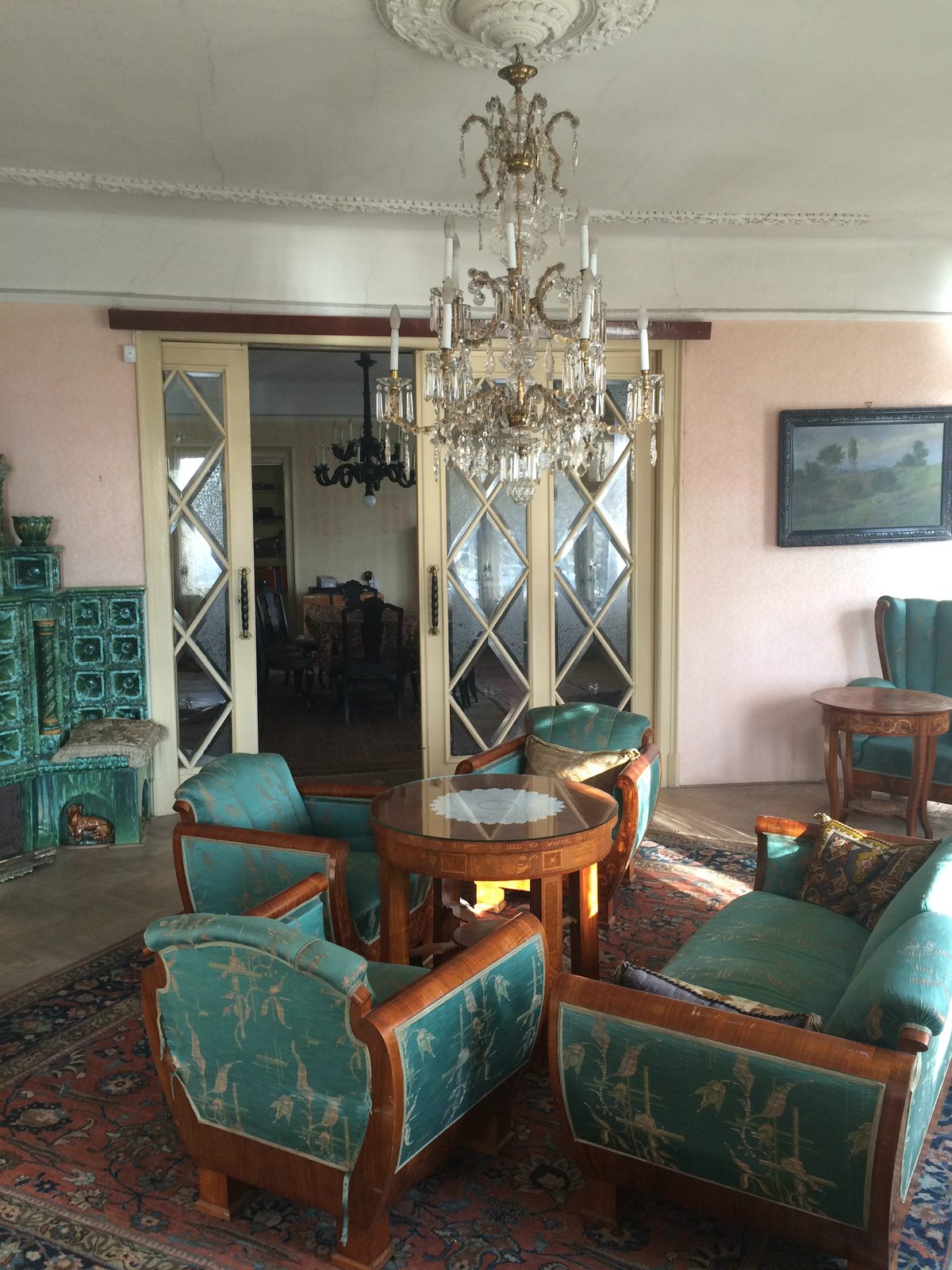
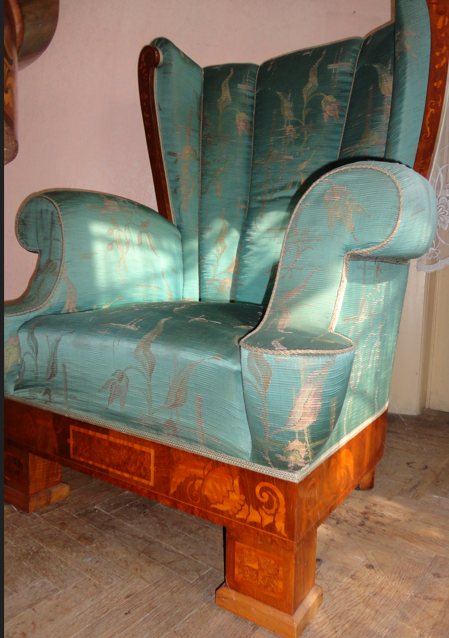
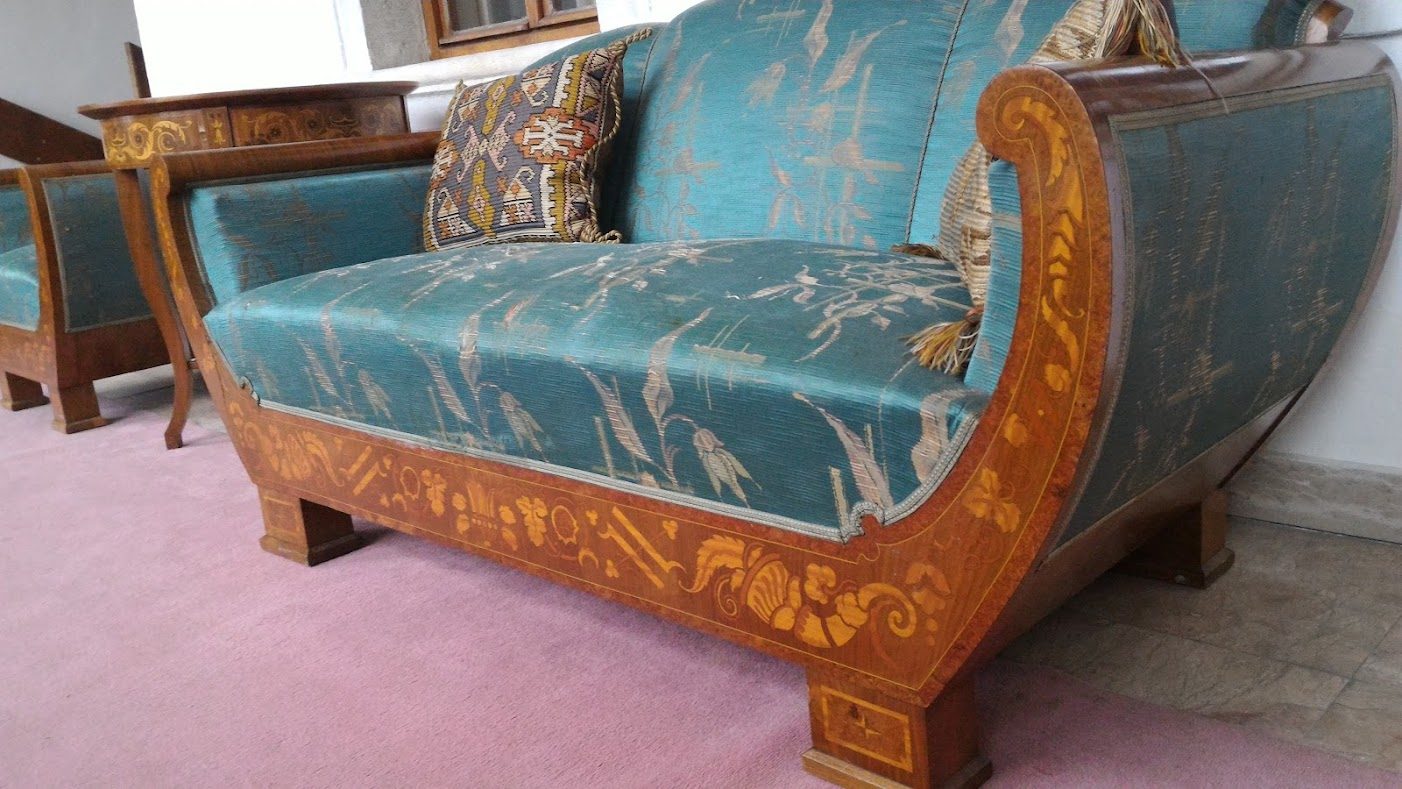
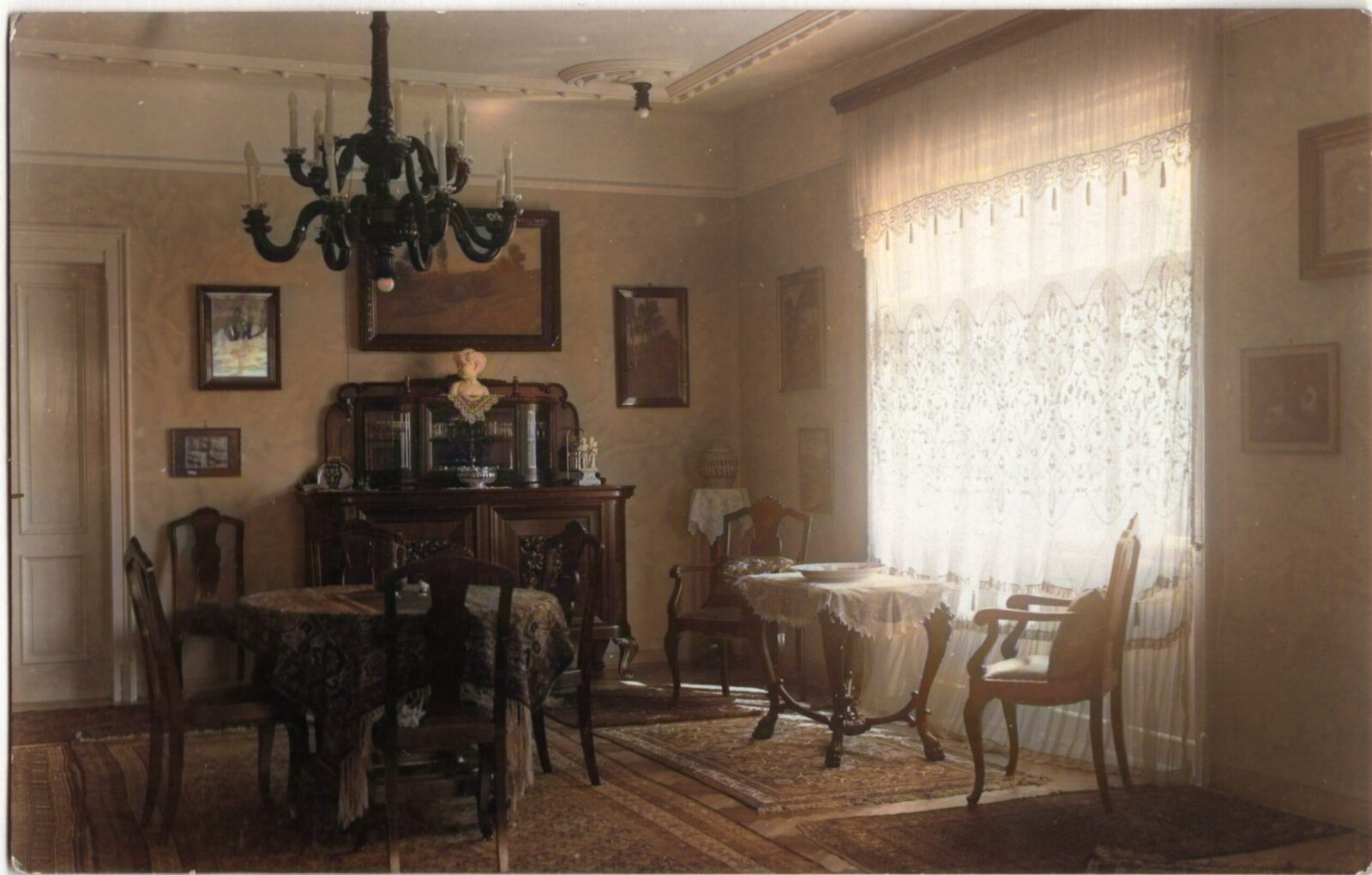
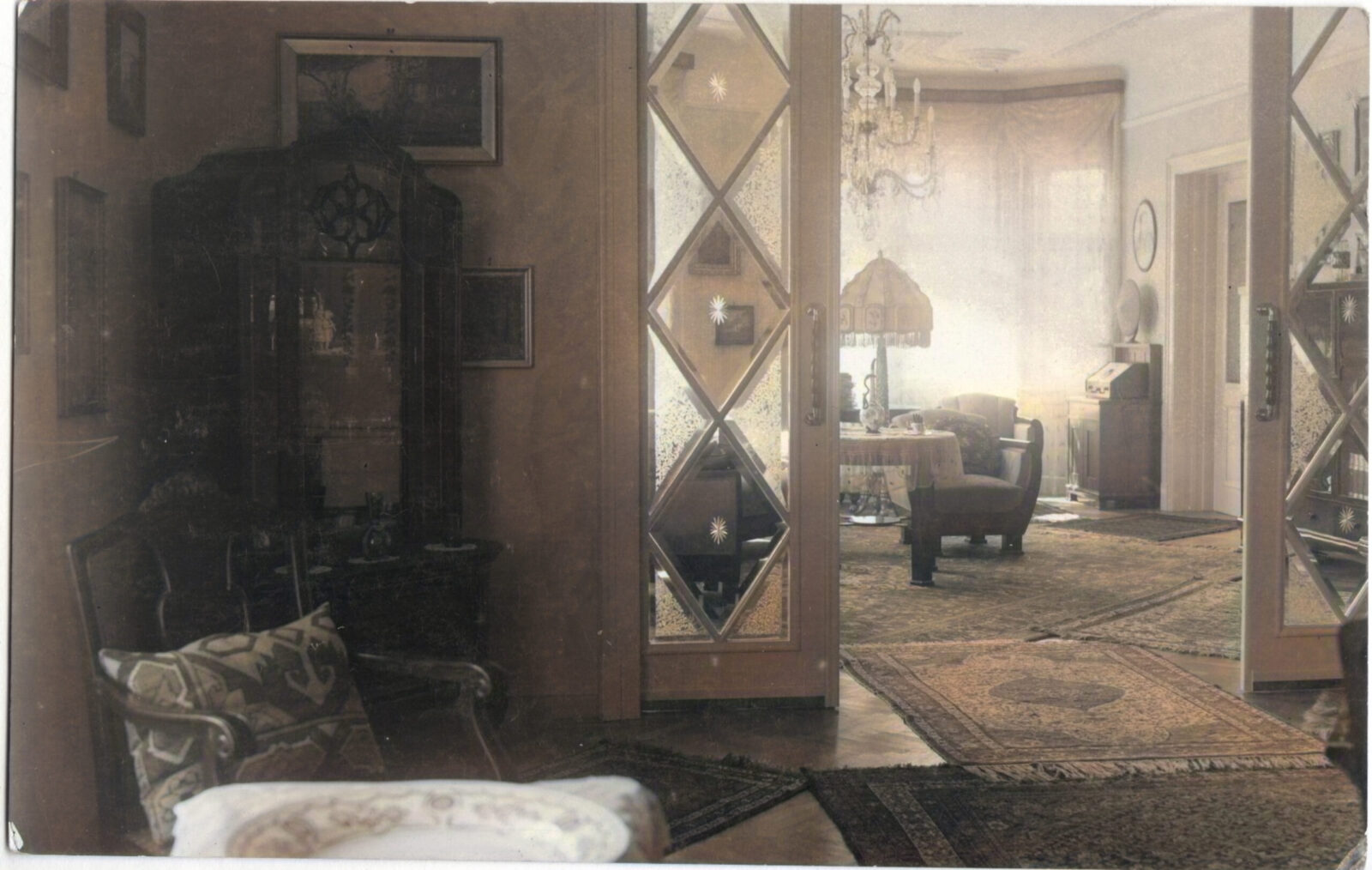
The Art Deco furniture suite was made in Košice in 1928, at the same time as the house was built.
Before the house was sold, the original owner sold off the furniture and the unique tiled stoves. Some of the furnishings and stove tiles are now kept in museums in Michalovce and Hanušovce nad Topľou. In 2016 the Museum of Local History in Hanušovce presented the suite in a lecture titled Art Deco in Furniture Art from the 2016 Acquisitions.


The neoclassical tiled stove
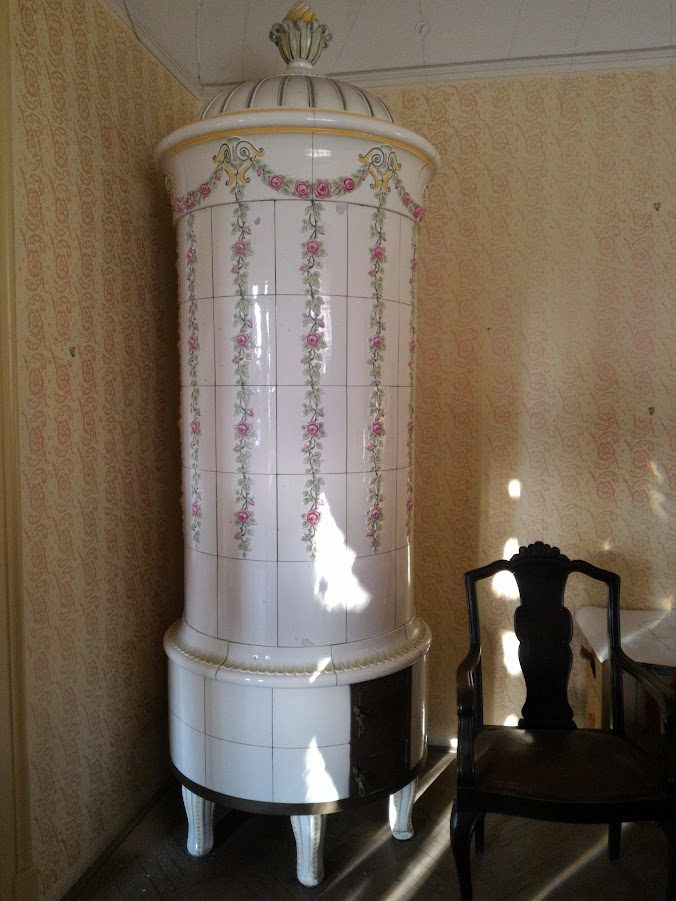
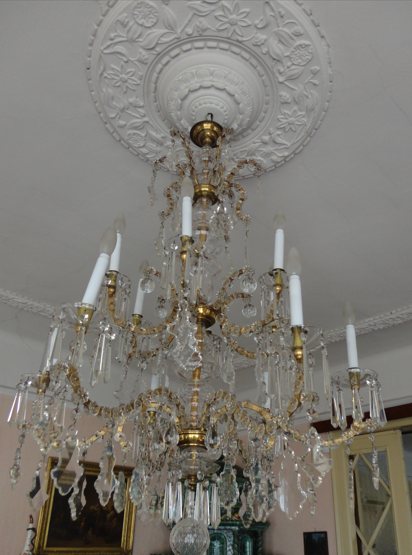
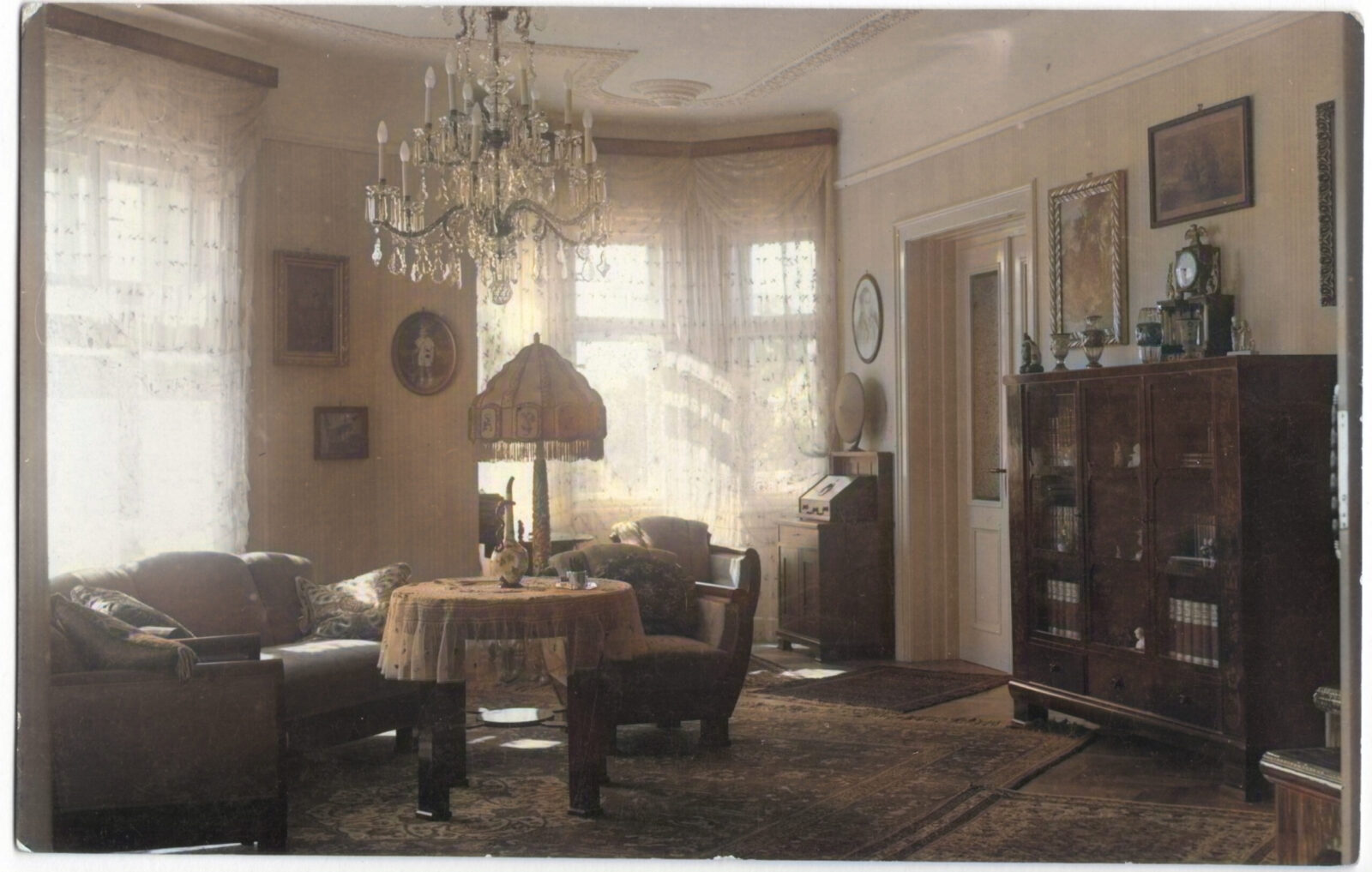
The villa’s interior included the furniture suite from Košice and magnificent tiled stoves. However, the villa and its precious furnishings did not survive as a whole. Much of the credit for saving these works of applied art goes to Samuel Bruss, a specialist at the Regional Museum in Prešov, Hanušovce Manor.
Working against the clock, the Zemplín Museum in Michalovce managed to acquire a richly decorated neoclassical tiled stove from the turn of the 20th century when it was offered for sale. It came into the museum’s care in 2018 – at that point as a pile of cardboard boxes holding dozens of pieces.
After almost seven years in storage, the stove has regained its original splendour. It was reassembled by the experienced restorers of historic tiled stoves Stanislav Tkáčik and Jozef Marton, and today it forms part of the historical exhibition of the Zemplín Museum in Michalovce.
Save it, don’t demolish it
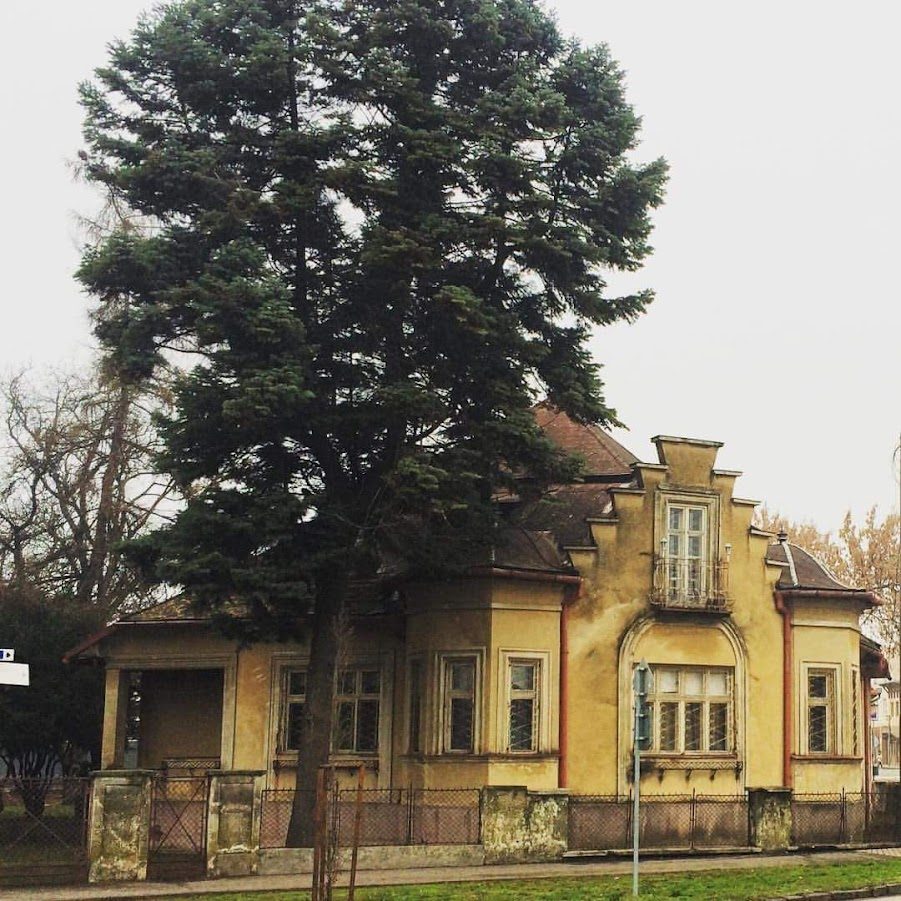
The house had long been empty and neglected, and its condition reflected it. It is not a listed building and stands on a prime site in the town centre.
In 2015, for the first time since it was built, the villa passed to a family unrelated to its builder.
Timeline
Adam Maxim
Adam Maxim is born in Bardejovská Nová Ves. The family later moves from the Šariš region to Sobrance.
First traces in Sobrance
Field sketches of Adam Maxim’s plot. At the census, the family lives in house No. 70.
Birth of the architect
Ernő Kavasch is born in Ľubica near Kežmarok.
Birth of Eugen Maxim
The eldest son of Ján Maxim, a bootmaker in Sobrance.
School and grammar school
Primary school in Sobrance, grammar school in Satu Mare, school-leaving exams passed with very good results.
Doctor of Law
Graduates from the University of Budapest.
Lectures for the people of Sobrance
Popular educational lectures at the state school, attended by 100 – 110 listeners.
His own law office
Admitted to the bar in Máramarossziget (today Sighetu Marmației); opens his own office in Sobrance.
War
Military legal service with the 11th Honvéd Regiment. In 1915 he takes over the practice of the late lawyer Ján Szóráth.
A lawyer in Czechoslovakia
Admitted to the bar in Turčiansky Svätý Martin.
Helena v. Dyck
The daughter of a painter from Nymburk arrives in Sobrance. In 1924 she marries Eugen.
Birth of Gabriel
Later an engineer, globetrotter and Swedish citizen.
Politics
Dr Maxim acts as legal counsel to the new local branch of the Christian Social Party.
Building the villa
Designed and built by Kavasch & Son of Uzhhorod. The Art Deco furniture is made in Košice in 1928.
Birth of Eva
The youngest of the Maxim children.
Royal notary
After Sobrance is annexed to Hungary, Dr Maxim serves as a royal public notary.
Nationality
Certificate and confirmation of Slovak nationality.
Patents
Gabriel Maxim patented several inventions: “Prefabricated suspended ceiling”, patent No. 101654 (Czechoslovakia, 1960/1961), „Environment with opening device” (Sweden, 1984), „Internal combustion engine” (Sweden, 1997) and „Test stick container with blood glucose measurement” (Sweden, 2007).
The four-leaf clover
Gabriel finds a giant four-leaf clover. In 1980 he submits it to the Guinness Book of Records.
Death of Dr Maxim
Dr Eugen Maxim dies in Sobrance at the age of 81.
Helena
Helena Maximová, née v. Dyck, dies in Sobrance.
A new beginning
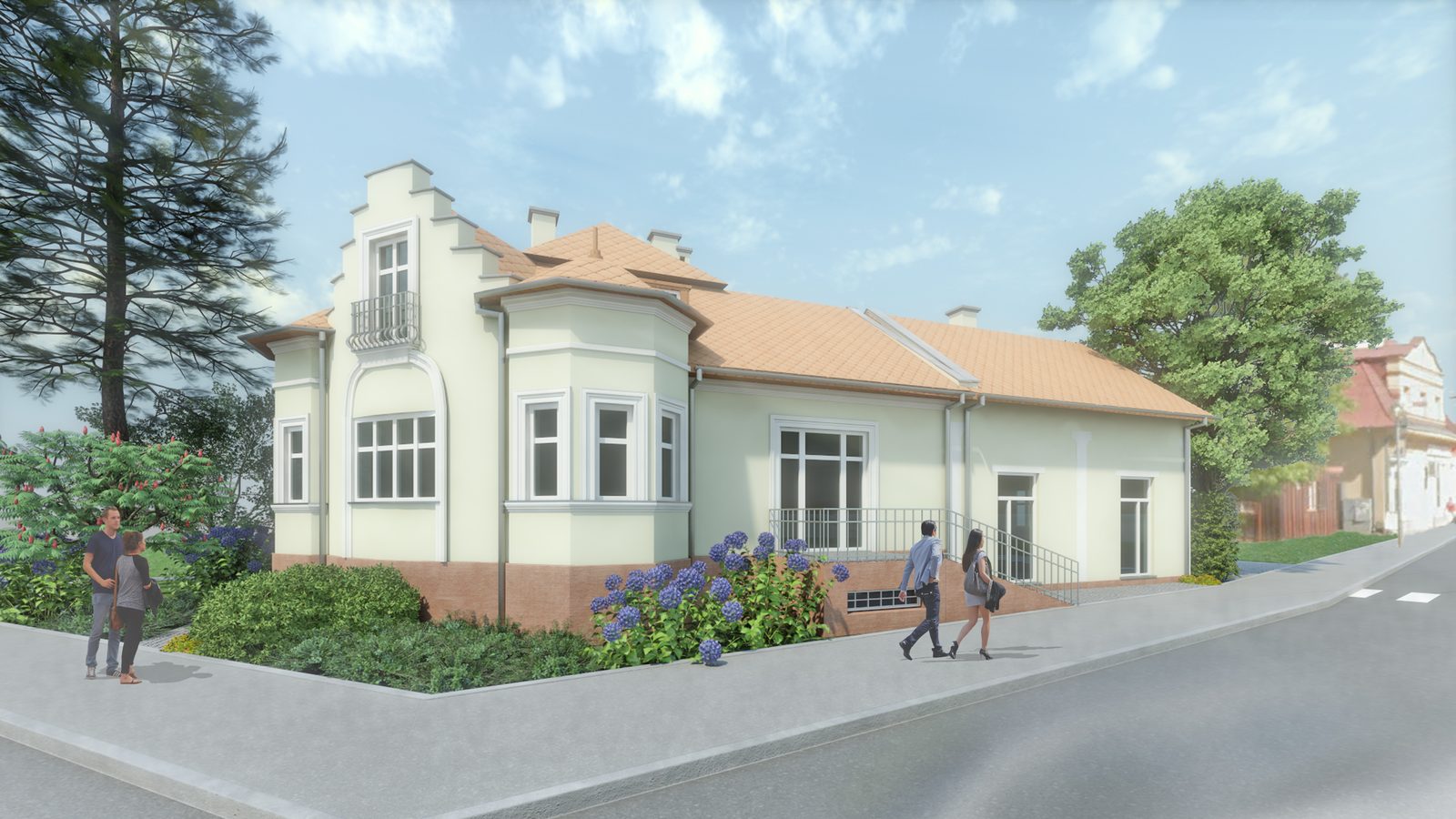
For the first time, the villa passes to a family unrelated to its builder. Restoration begins.
The tiled stove goes to the museum
The Zemplín Museum in Michalovce acquires the villa’s neoclassical tiled stove and, after restoration, puts it on display in its historical exhibition.
Dobrá Vila opens
The villa opens as a café and cultural venue. The library of its last resident remains its heart.
The story comes home
At the discussion evening The Lawyer of Sobrance, Samuel Šabak presented the life of Dr Eugen Maxim – right inside his own villa.
Chapters I and II are based on archival research by Samuel Šabak, a student of archival studies. Sources: parish registers, the 1869 and 1930 censuses, the Slovak National Archives (Provincial Office in Bratislava collection), the period press (Ung, Heti Szemle, Ungvári Közlöny, Naša zastava, Slovenská pravda, Prágai Magyar Hirlap, Úradné noviny župy Košickej) and P. Kónya, M. Molnár: Dejiny Sobraniec [A History of Sobrance] (2013).
Do you remember the villa differently?
If you have old photographs, documents or memories of the Maxim family or of the villa on Štefánikova Street, the owners of Dobrá Vila would be delighted to meet you over a coffee.
Write to us Culture at the Villa