
Ing. Gabriel Maxim
Son of a Sobrance lawyer, Swedish engineer, globetrotter who visited more than 170 countries, inventor, writer and publisher, and the last resident of the villa on Štefánikova Street. He called himself a “world wanderer”.
Life
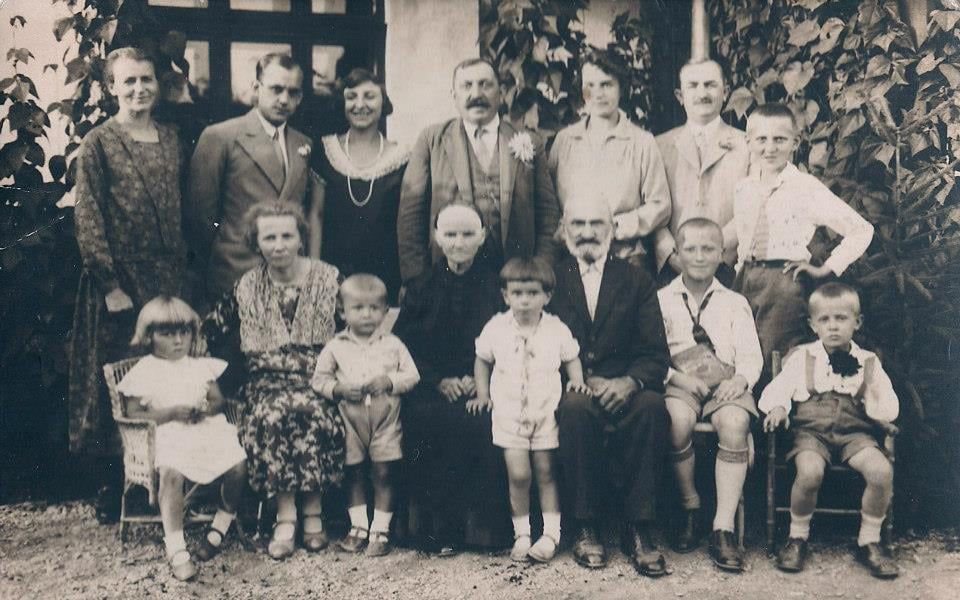
Gabriel Maxim was born in Sobrance in 1926. He was the son of the lawyer Dr. Eugen Maxim and Helena, née v. Dyck, daughter of an academic painter from Nymburk. His older brothers Jenko (1924) and Lacko (1925) died before 1930. His sister Eva was born in 1931.
He spent his childhood in the villa his father had built in 1928 – 1930. In November 1944, aged seventeen, he was a messenger boy for the Czechoslovak National Committee in Uzhhorod and witnessed with his own eyes the rally at which Subcarpathian Ruthenia was declared part of the Soviet Union. He graduated from university in Prague, also worked for the art-trade company Dielo and lived in Košice before emigrating. Many years later he still signed himself “Gabriel Maxim of Stockholm, formerly of Košice”.
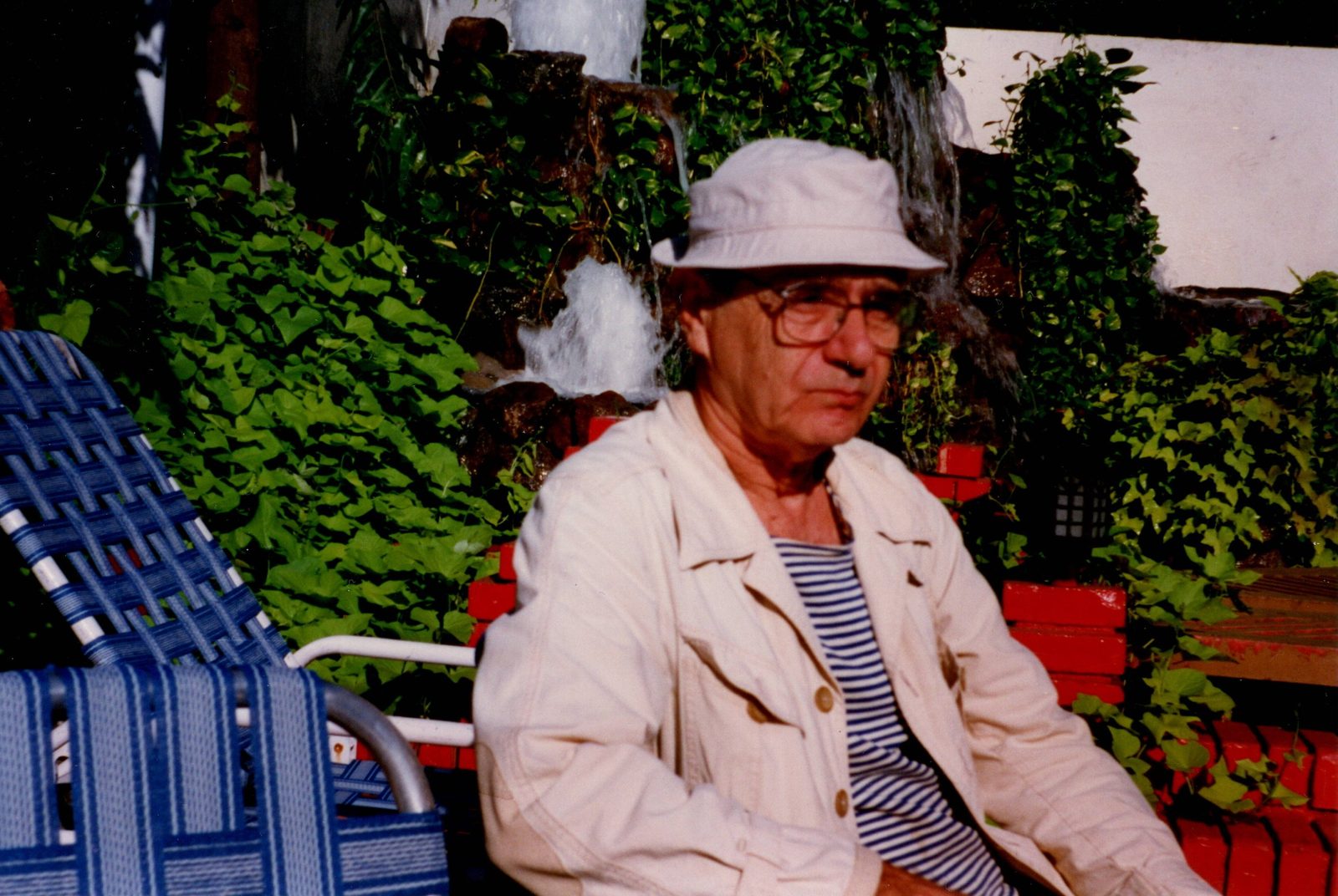
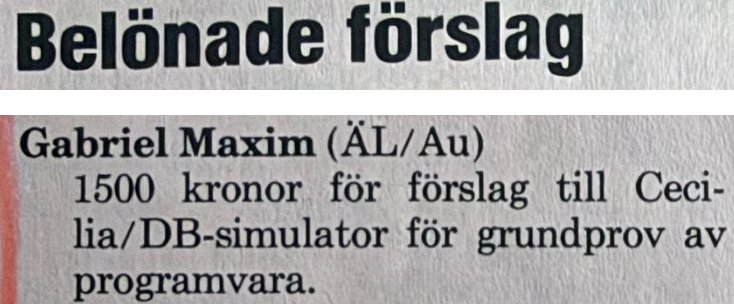
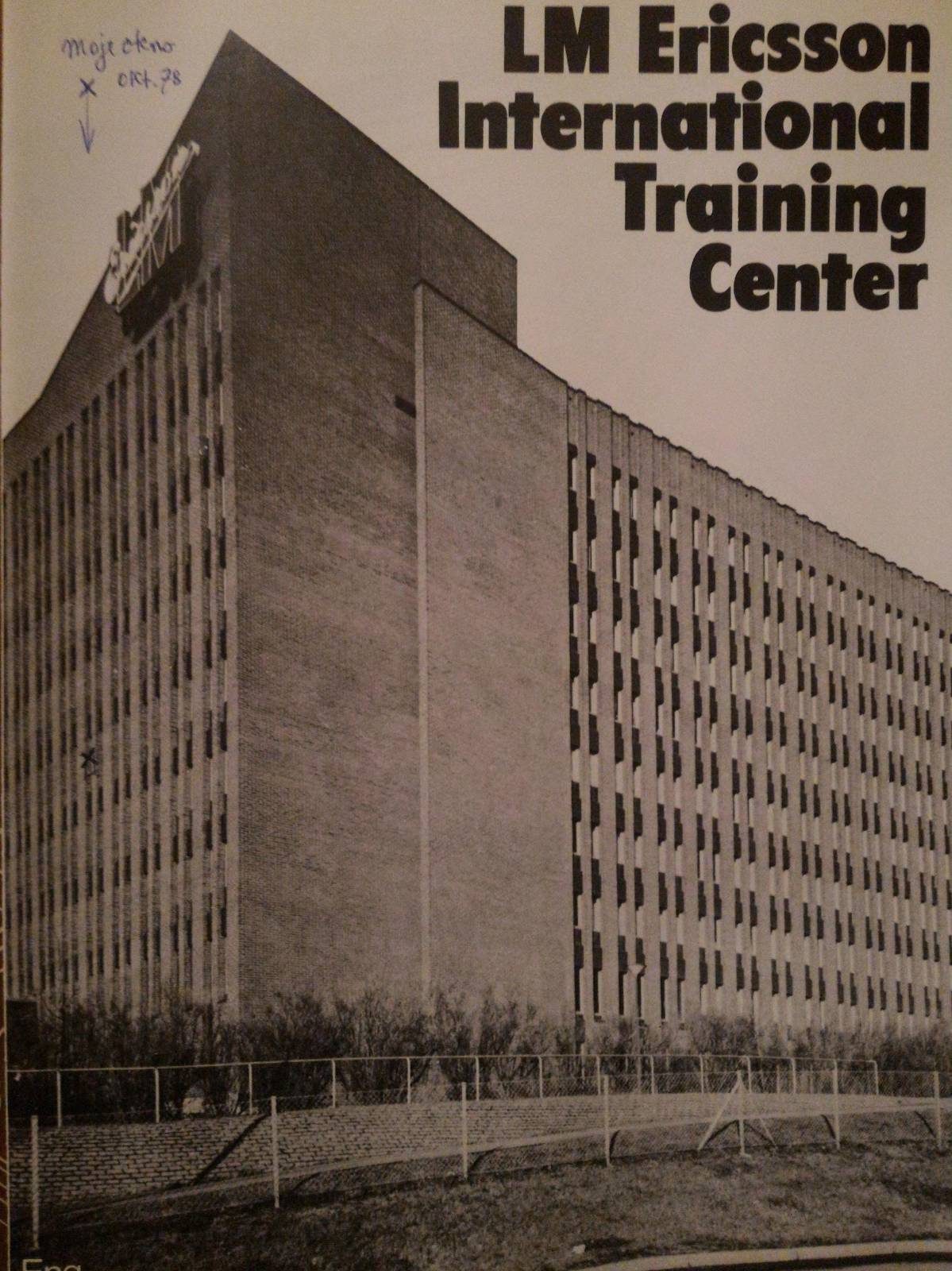
In 1969 he left Czechoslovakia for Sweden. He settled in Stockholm, where he worked as an engineer and economist (civilingenjör, civilekonom). At Ericsson he was an independent development engineer and programmer – in 1981 he even sent IBM in California proposals for additions to one of its programming manuals. On 6 March 1981 the LM Ericsson in-house magazine Kontakten listed him among rewarded inventors: he received 1,500 crowns for proposing the Cecilia/DB simulator for basic software testing. He became a Swedish citizen, lost his Czechoslovak citizenship in 1981 and retired on 1 August 1987. In exile he contributed to the émigré magazine Listy, wrote to Swedish newspapers and, under the pseudonym “Alexander Gabriel”, published political essays.
He never fully parted with his native Sobrance. In the summer of 1989 he came back for a visit for the first time in twenty years, and in July 1992 he announced that he was moving from Stockholm back home for good, to Štefánikova Street. In his own words he “lived here from time to time”, and he was the last resident of the villa. His private book collection and his publishing work became the foundation of today’s Dobrá Vila library.

Inventor
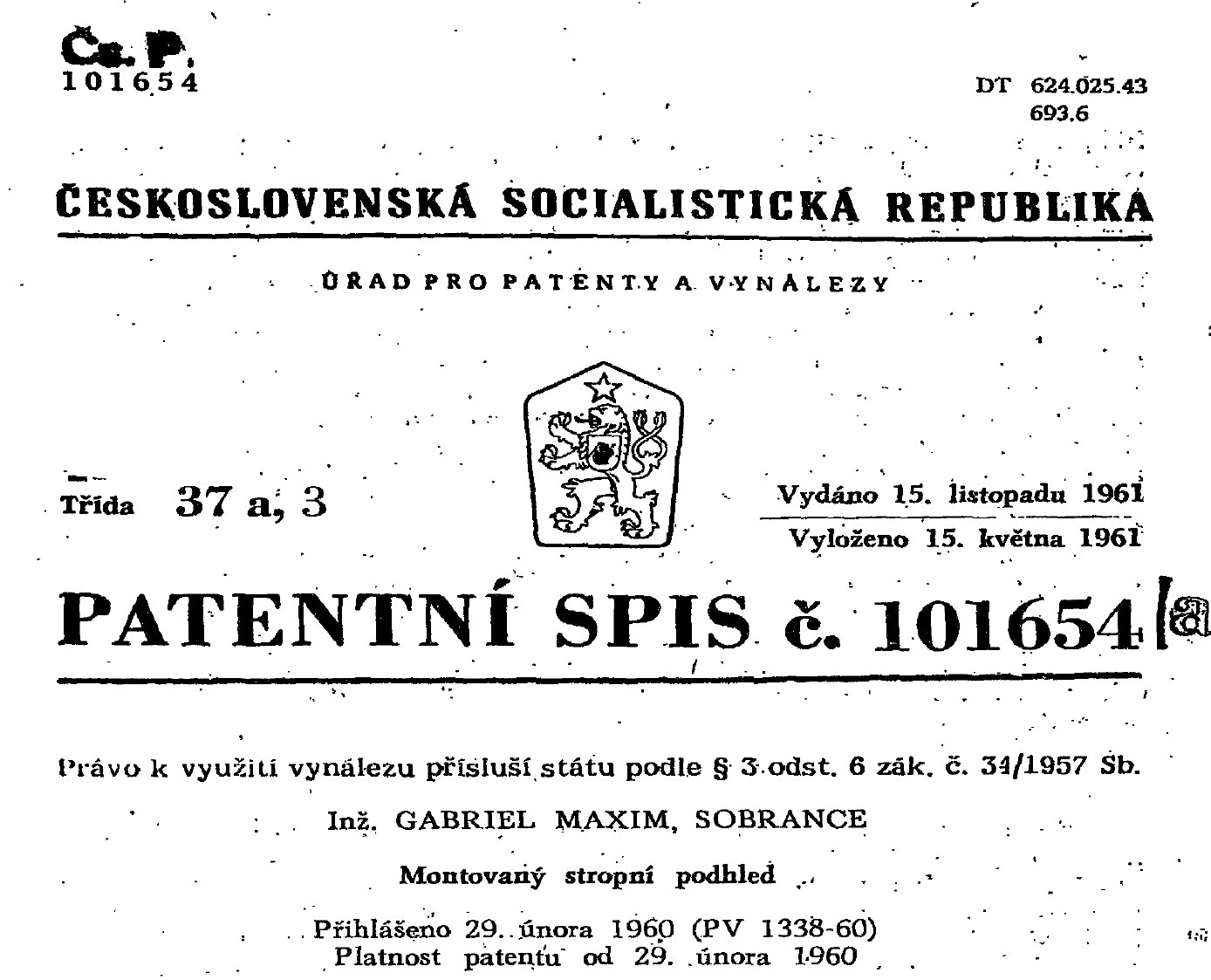
Patent specification No. 101654: Prefabricated suspended ceiling, 1960 – 1961
On 29 February 1960, Ing. Gabriel Maxim of Sobrance filed an invention called Prefabricated suspended ceiling with the Office for Patents and Inventions. Patent specification No. 101654 was published on 15 November 1961. The application gives his Sobrance address – he would not emigrate for another nine years. The specification also states that the right to use the invention “belongs to the state”.
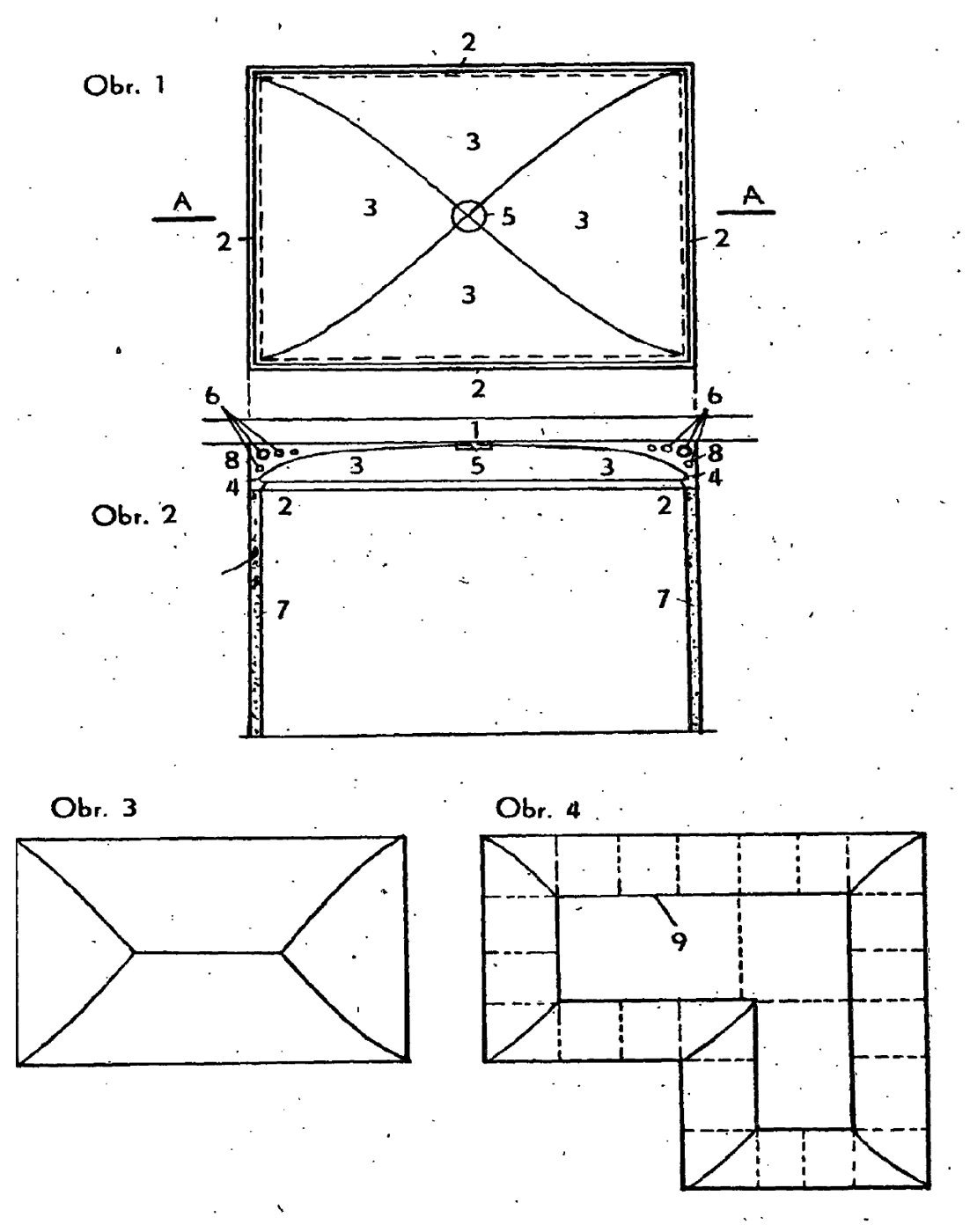
Instead of a plastered ceiling, he proposed one made of light, slightly curved shell panels, for example of synthetic resin. The panels were simply laid into a beam running around the walls and joined in the middle by a rosette. Electrical, telephone and heating lines ran in the space above them. They were accessible at any time, without cutting into walls or repainting. The beam could also serve as a light trough for indirect lighting reflected from the vaulted panels.
Patents and patent applications
Gabriel Maxim filed inventions over almost half a century – the first while still in Sobrance, three more in Sweden.
Prefabricated suspended ceiling
„Montovaný stropní podhled“
- Filed
- 29 Feb 1960 (PV 1338-60)
- Laid open
- 15 May 1961
- Specification published
- 15 Nov 1961
- Class
- 37 a, 3
- Type
- granted patent – patent specification
A suspended ceiling of light, slightly curved shell panels, for example of synthetic resin, set into a beam around the room and joined in the middle by a rosette. Electricity, telephone and heating lines above them remain accessible at any time.
Environment with opening device
„Environment with opening device“
- Filed
- 27 Dec 1984
- Applicant
- Gabriel Maxim
- Type
- patent application
Google Patents lists no abstract or claims for this application – only its title and filing date.
Google Patents →Internal combustion engine
„Internal combustion engine“
- Filed
- 16 Oct 1997
- Published
- 17 Apr 1999 (SE9703767L)
- Classification
- F02B 47/00 · Y02 (climate change mitigation technologies)
- Applicant
- Gabriel Maxim
- Type
- published patent application
A compressed medium, such as air, cools the combustion chamber during the power stroke. The absorbed heat makes the medium expand, and the engine puts the resulting pressure to further use. It is a quiet six-stroke combined engine with double expansion – the expansion of combustion and the expansion of hot gas.
Google Patents →Test strip container with blood glucose measurement
„Test stick container with blood glucose measurement“
- Filed
- 3 Jul 2007
- Published
- 4 Jan 2009 (SE0701608L)
- Classification
- B65D 83/0847 (dispensers for flat articles)
- Applicant
- Gabriel Maxim
- Type
- published patent application
A test strip container combined with blood glucose measurement. He filed the application at the age of 81.
Google Patents →Sources: Google Patents and patent specification No. 101654.
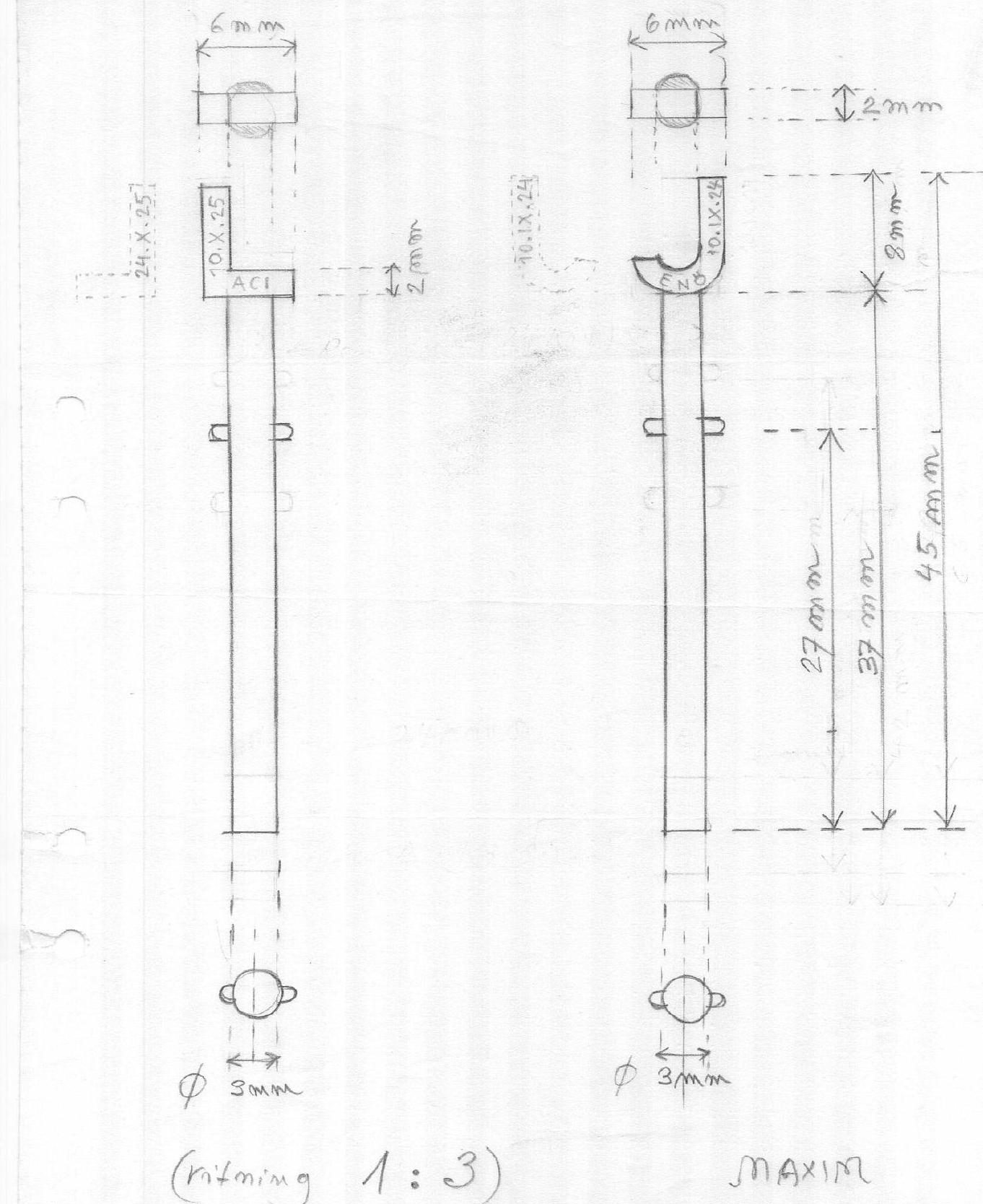
An original pencil drawing
Besides the patent documents, a genuine technical drawing by Gabriel has survived. It is drawn in pencil at a scale of 1 : 3, with the Swedish note “ritning” (drawing) and the signature MAXIM. It shows two small metal rods with hooks, 3 and 5 mm in diameter, with precise dimensions; their ends bear stamped marks with dates.
What they were meant for, we do not yet know. If you recognise it, please let us know.
Patent proposals – illustrations

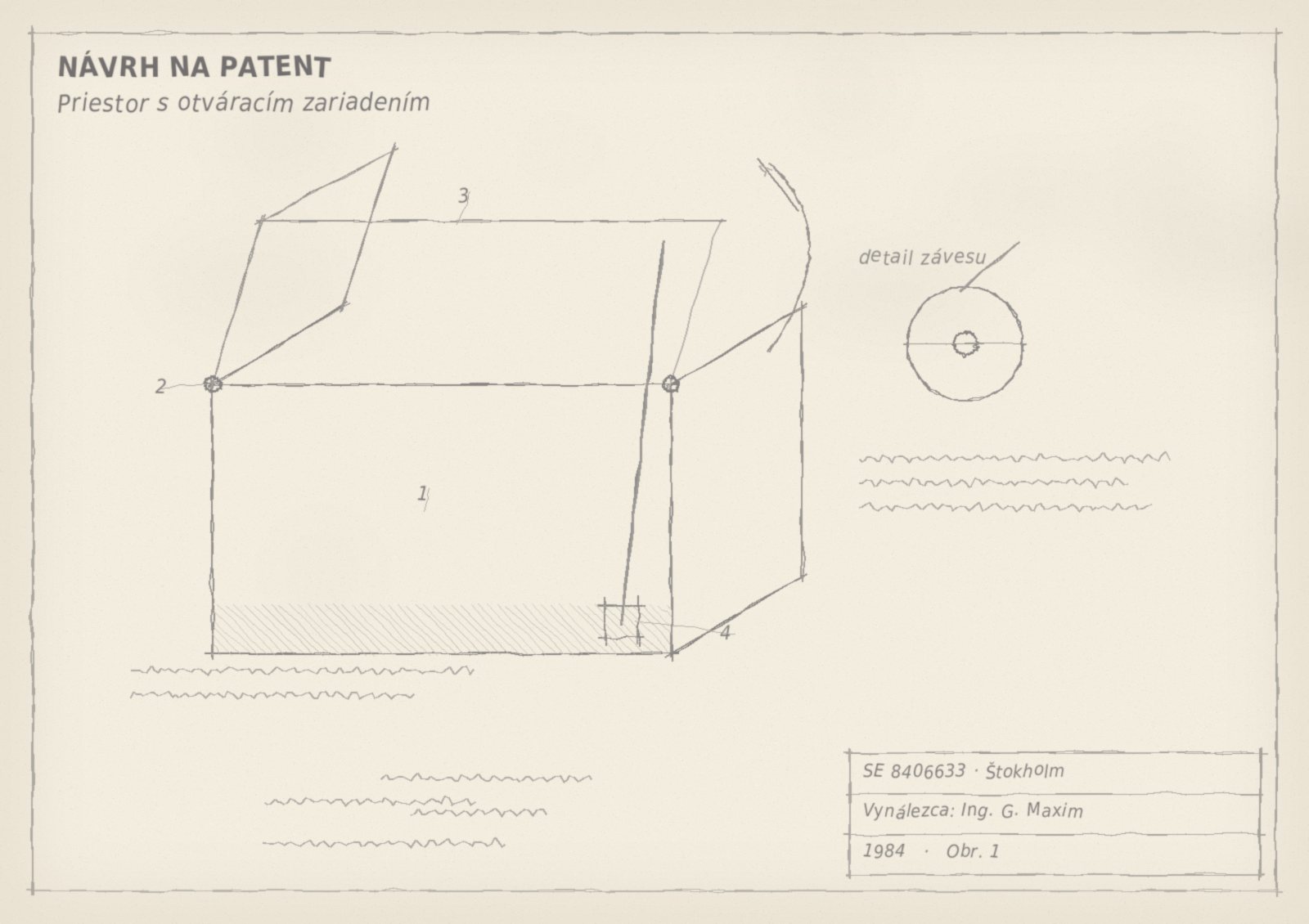
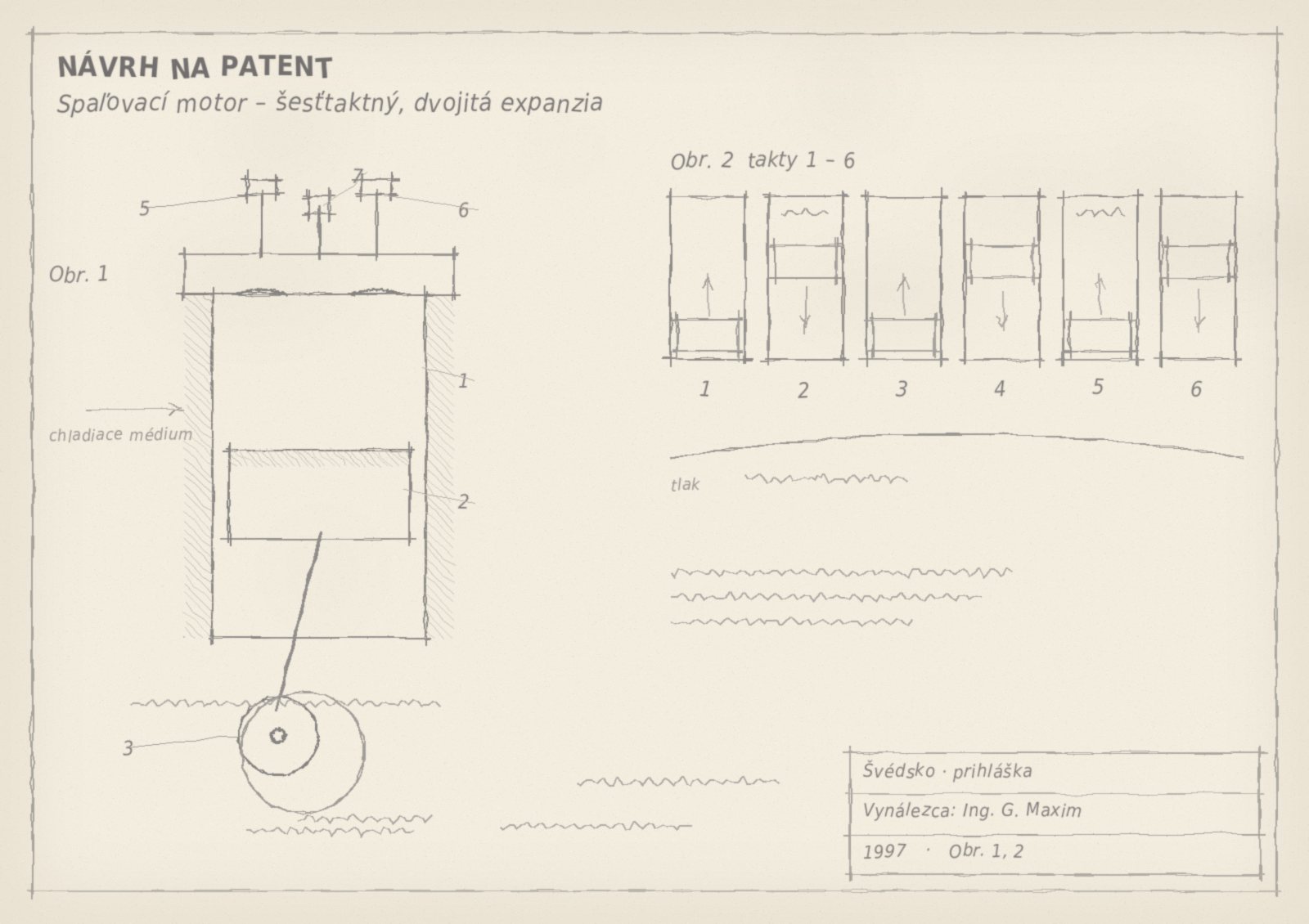

Illustrative drawings made for this website from the descriptions of the inventions – not original drawings from the patent documents or from Gabriel’s archive.
Background: illustrative sketches, not originals from Gabriel’s archive.
Globetrotter
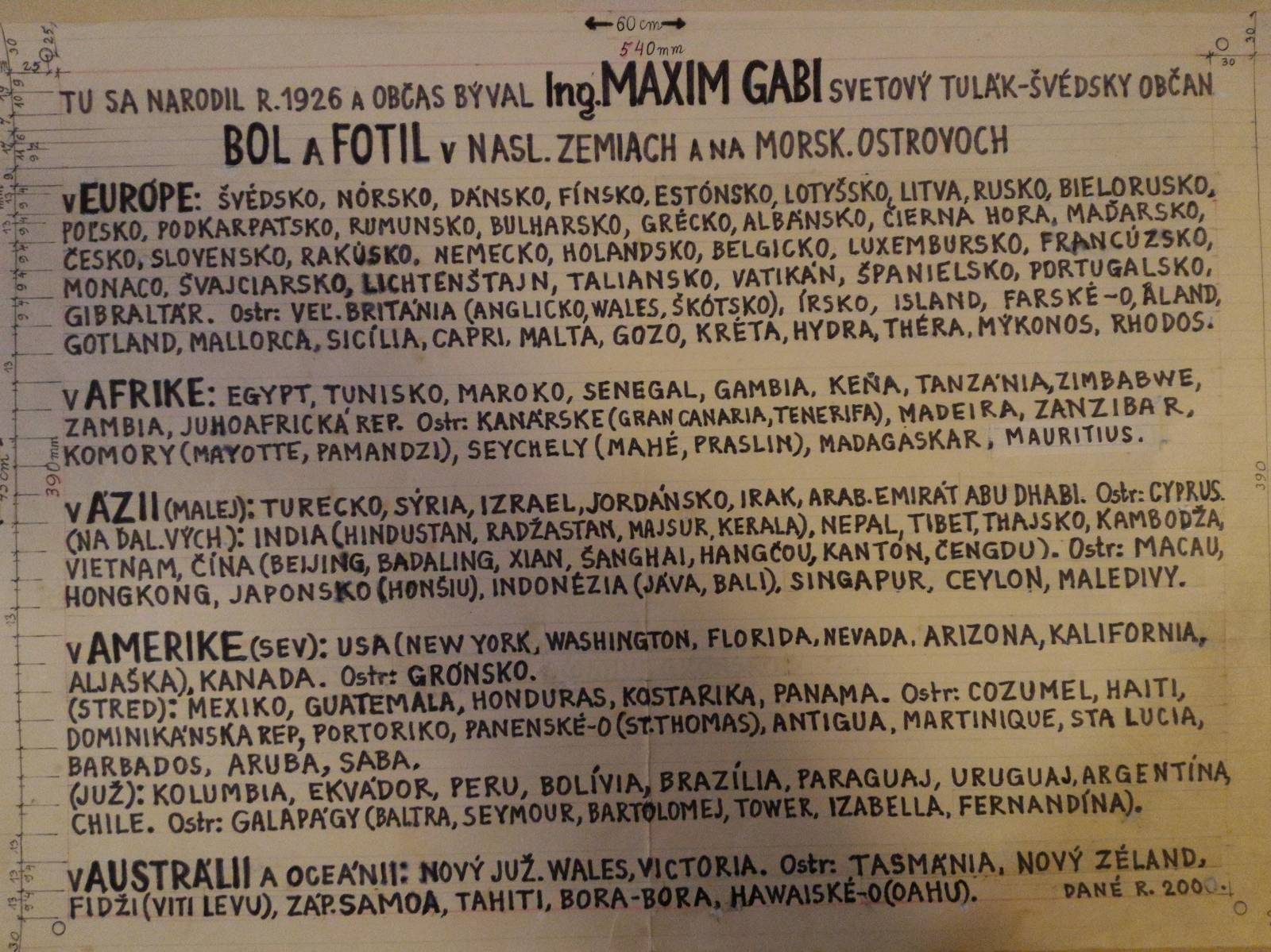
More than 170 countries on every inhabited continent
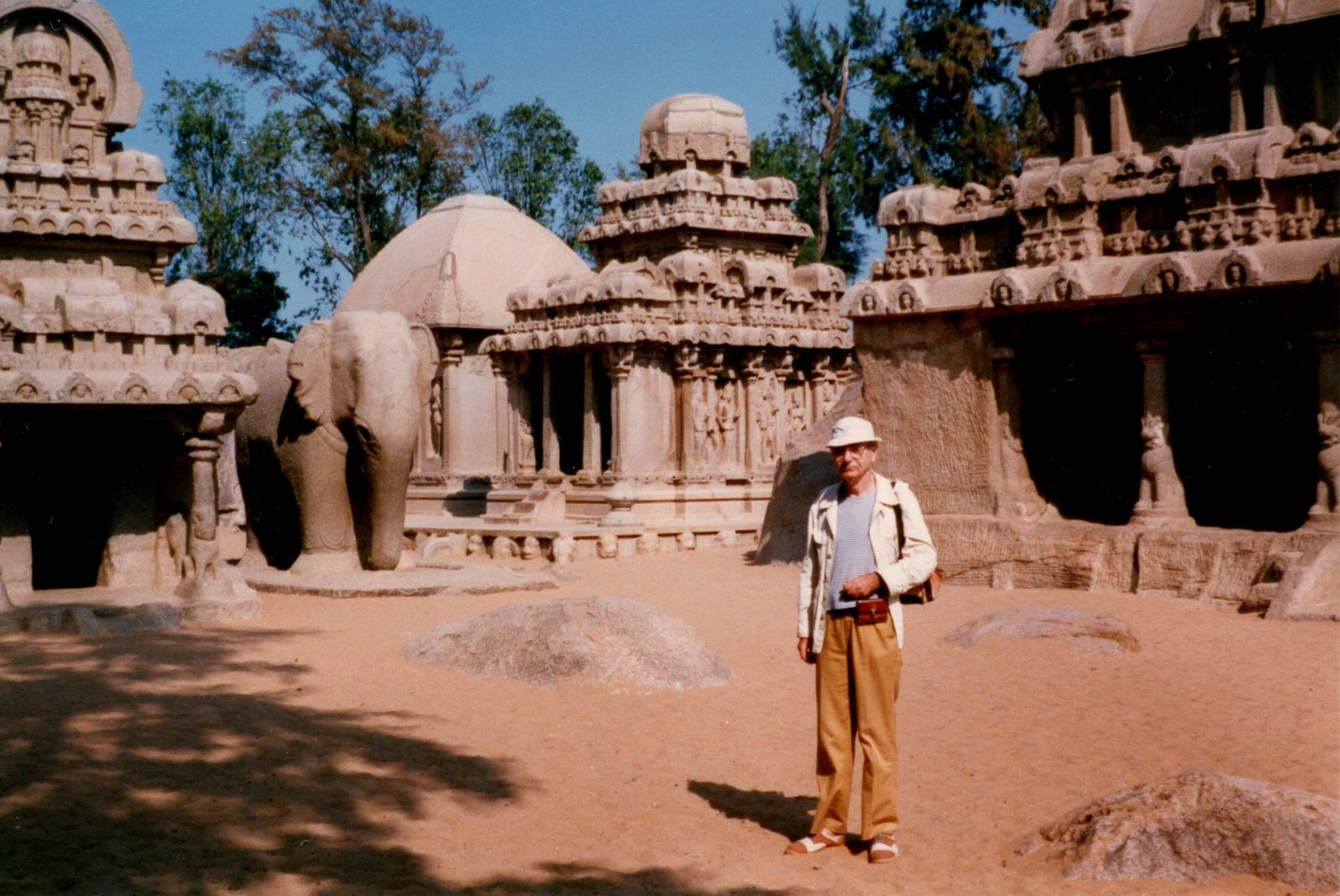
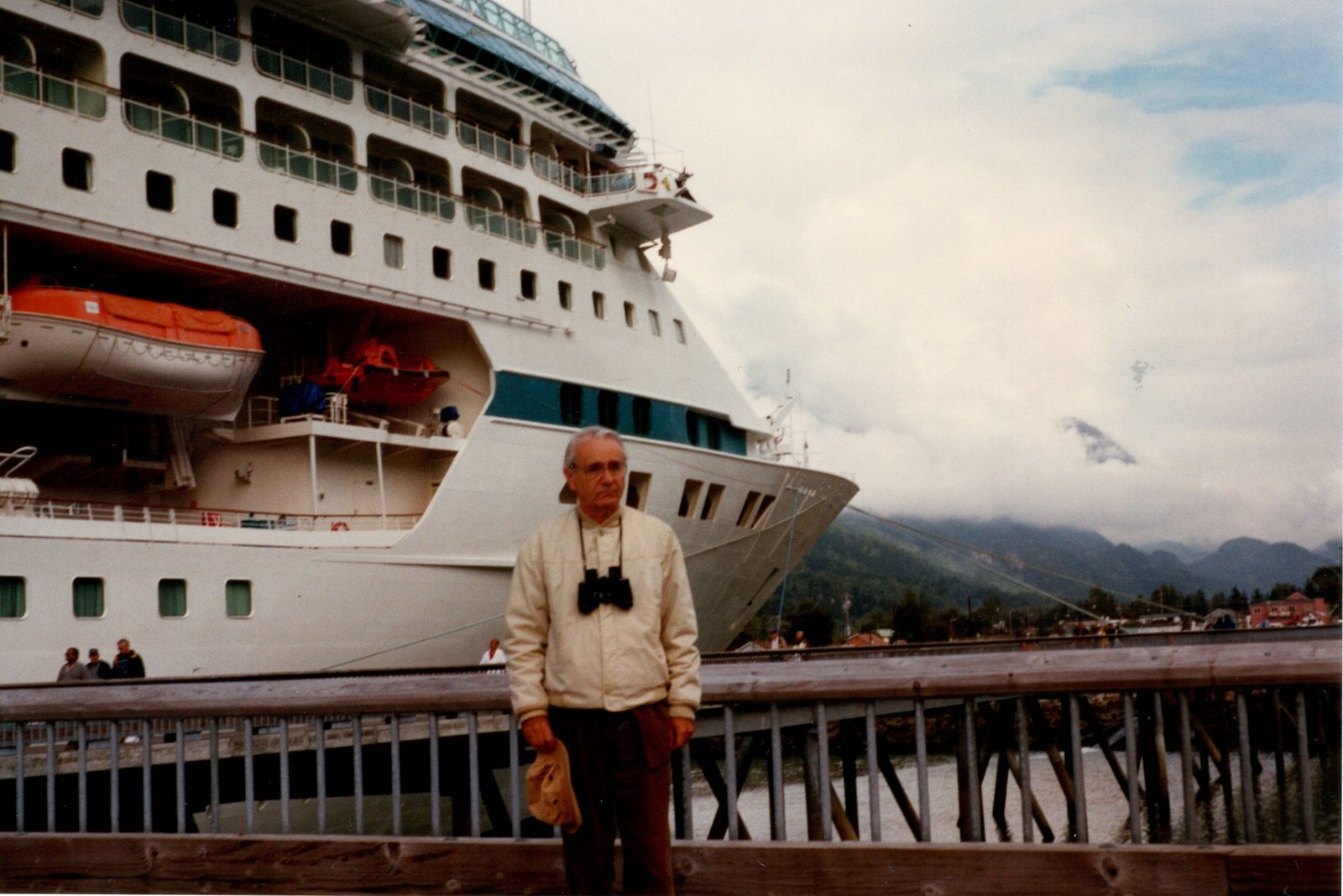
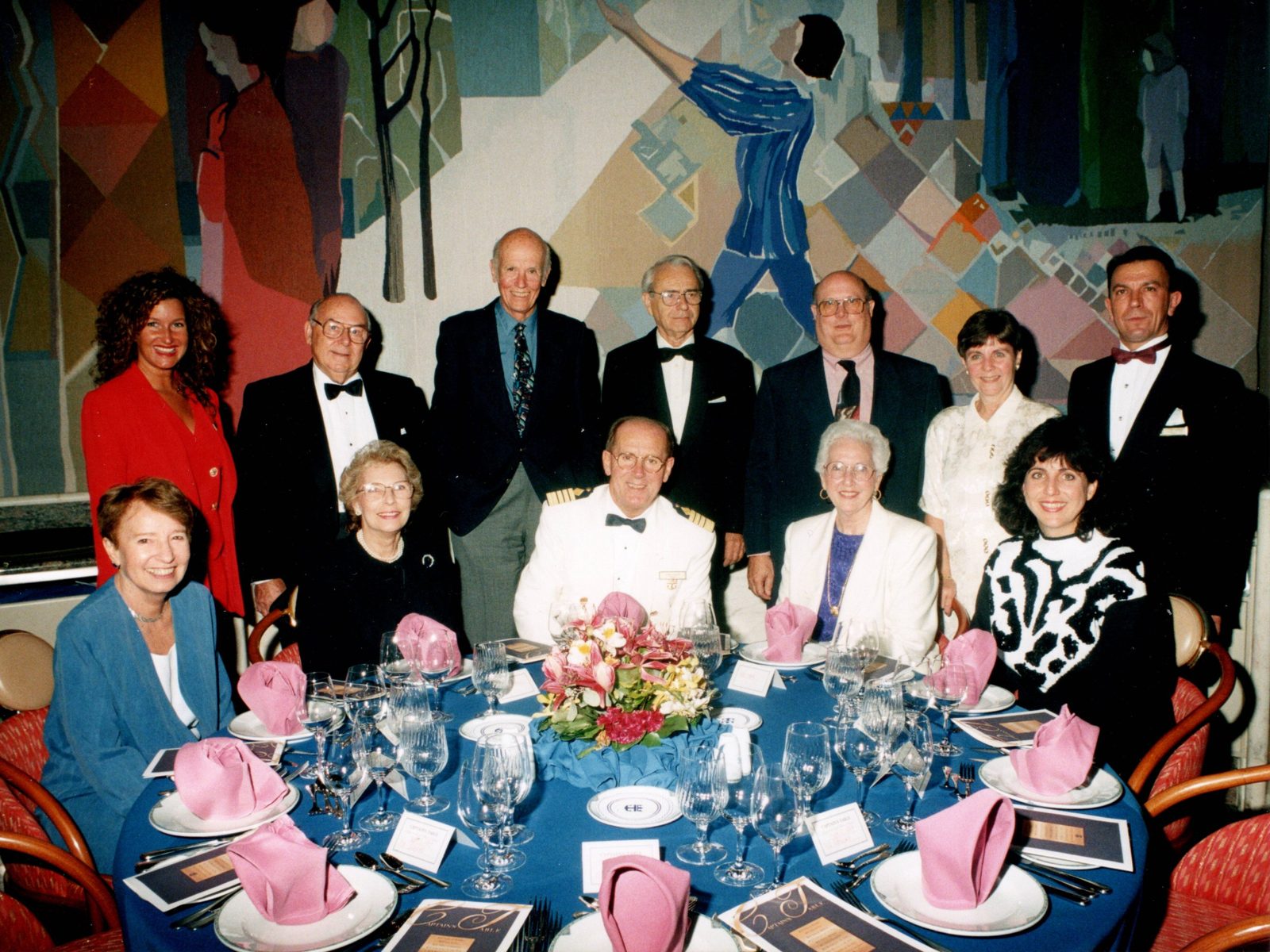
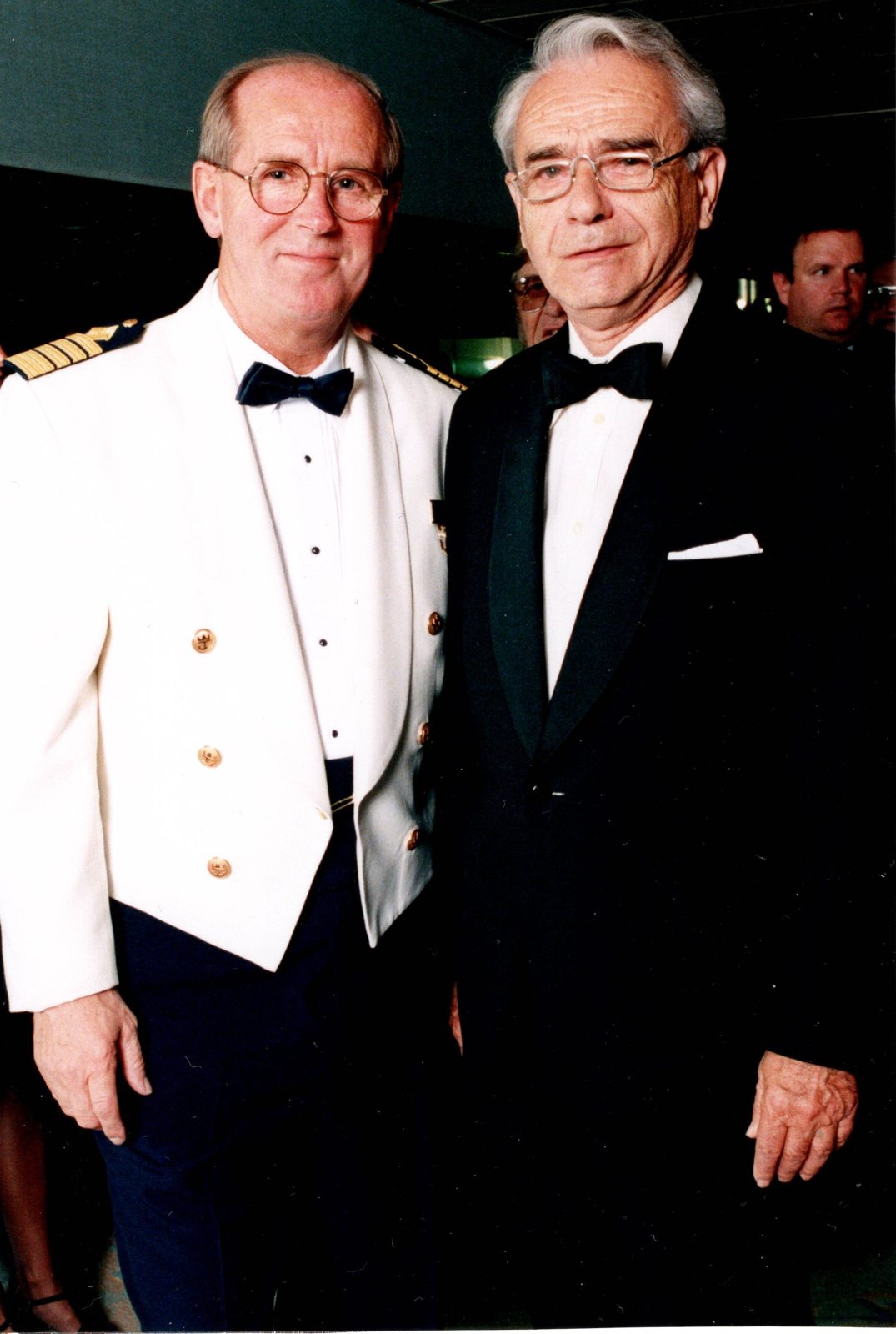
From Sobrance and Stockholm he set out all over the world: from Europe to Africa, Asia, both Americas, Australia and Oceania. He wrote out by hand on a large poster all the countries and islands where he “had been and taken photographs”. His travel suitcase, which accompanied him on several journeys around the world, can be seen right in the Dobrá Vila café.
He also wrote travelogues – for example from England in the summer of 1981 (Bath, Chester). The archive also holds a list of things he shipped in a sea trunk: an 18th-century Chinese vase, a small vase excavated on Java, Mexican terracottas, an ebony elephant from Ceylon, bronze llamas from Peru, a small bronze lion from India, a wall head from Gambia and embroidered linen from Zemplín.
Author, publisher and researcher
Gabriel was a book collector, author and publisher. From 1973 to 1987 he ran his own publishing house in Stockholm.
Maxims förlag and The Planet of Trees
Under the imprint of his own publishing house, Maxims förlag, he published the book Trädens planet (The Planet of Trees, 79 pages, with black-and-white illustrations, ISBN 91-970950-1-X) in July 1987. He signed it with the pseudonym Ael Gi. In it, the author poses as a visitor from another world looking at the Earth from outside.
The original copy of the book is now on display in the Dobrá Vila café, right next to the suitcase that accompanied Gabriel on several journeys around the world.
He himself called it “a protest book against man’s arbitrary behaviour”, presenting a new philosophy of life. Trees are the noblest beings on Earth, and man is described as an occupier of the planet. The ideal planets Juro and Mara serve as a contrast.
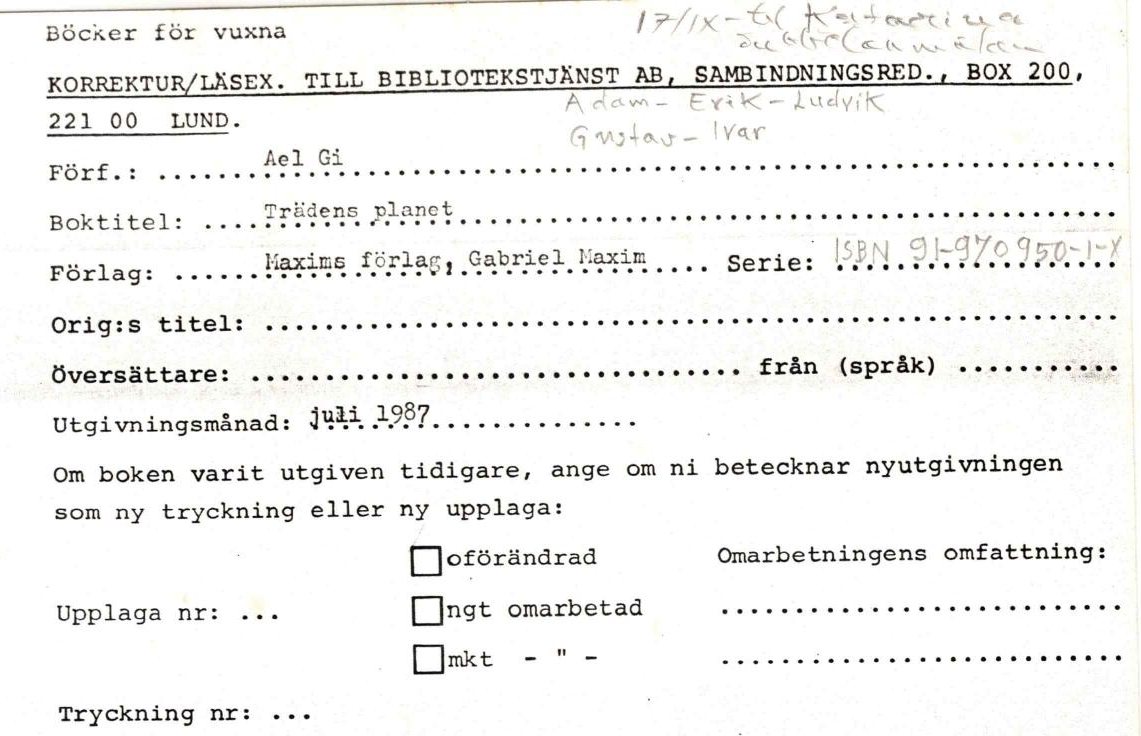
When he found errors in the text after printing, he had a notice added to the back cover: the Swedish of the “foreign visitor” is not always quite correct, so the book is also suitable as “an exercise book for correcting Swedish”.

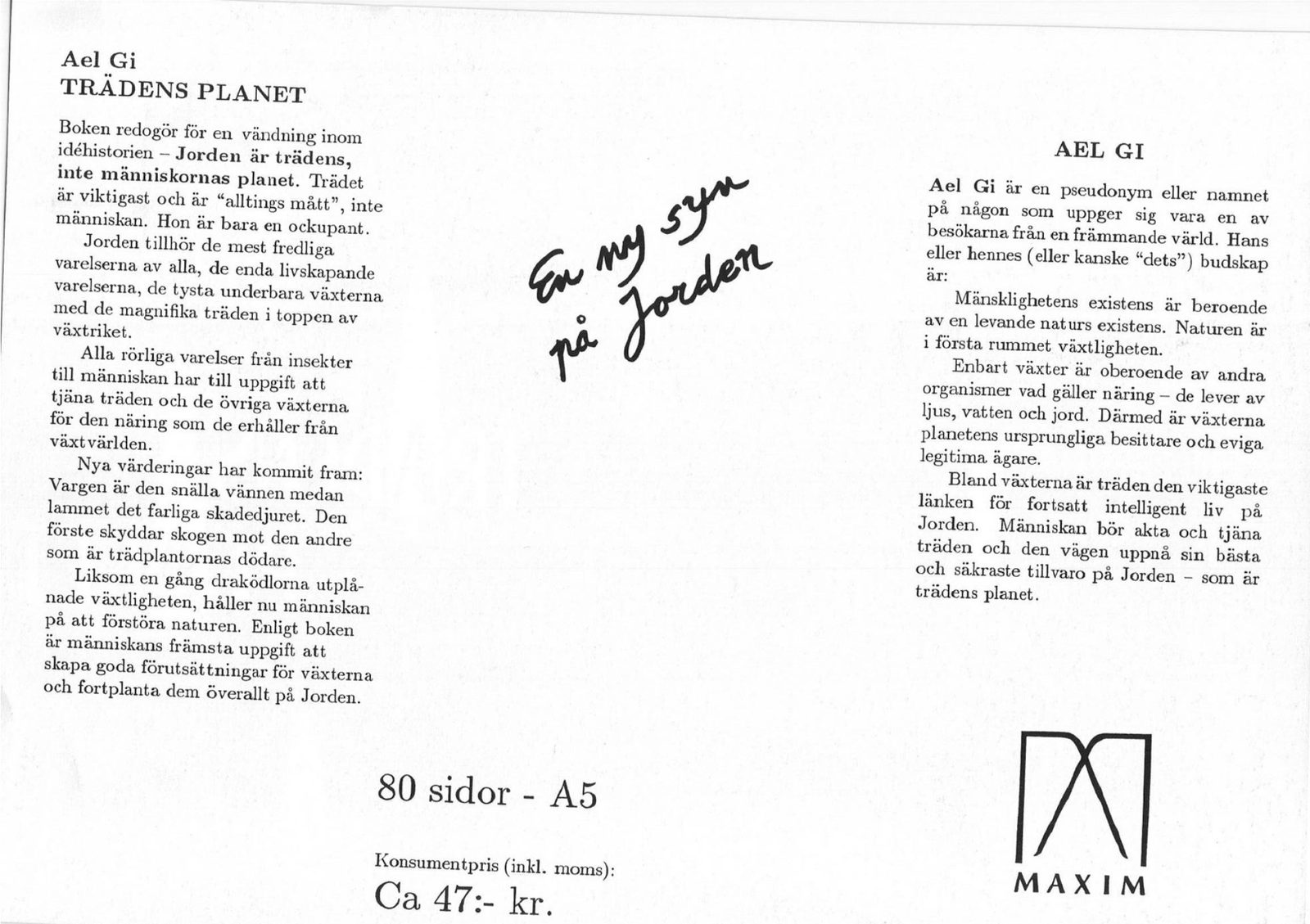
On the inside of the cover he presented the book as “a new view of the Earth”: the Earth is the planet of the trees, not of humans. The tree, not man, is “the measure of all things” – man is merely an occupier. The author Ael Gi is described there as the pseudonym of someone claiming to be a visitor from an alien world. The book had 80 A5 pages and cost about 47 crowns; later he advertised it for 39 crowns including postage.
A letter from Lars Gyllensten
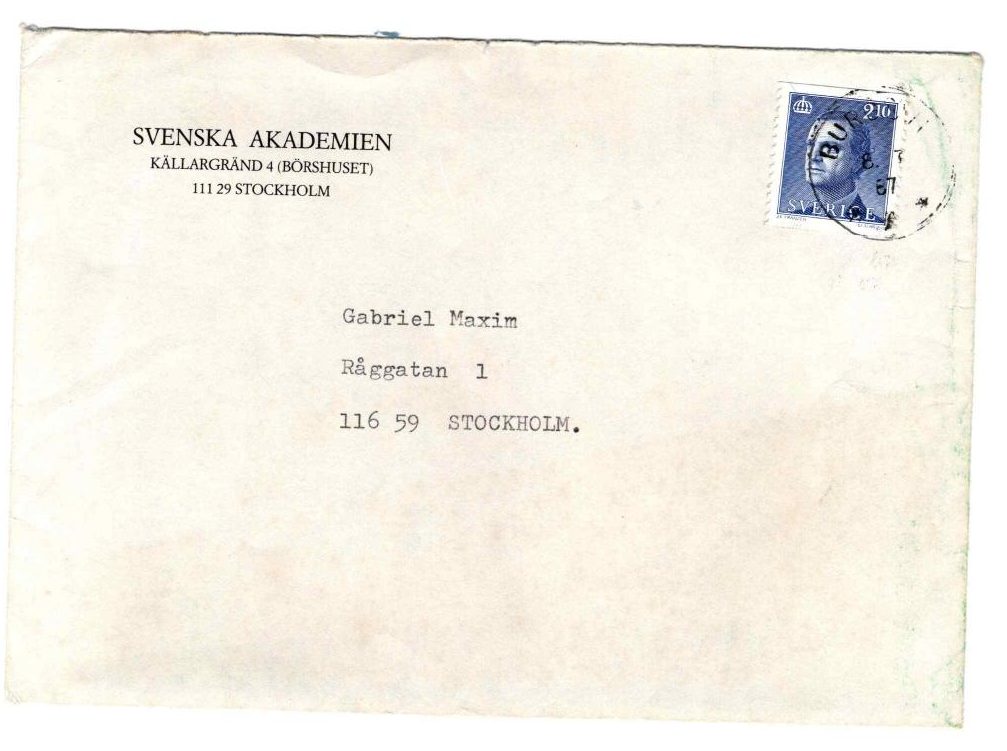
Shortly after publication, Gabriel sent the book to the writer and physician Lars Gyllensten (1921 – 2006). Gyllensten was a member of the Swedish Academy, its permanent secretary in 1977 – 1986 and, from 1987, chairman of the Nobel Foundation. He replied in a Swedish Academy envelope from Holmhällar near Burgsvik on Gotland:

A dispute over the book
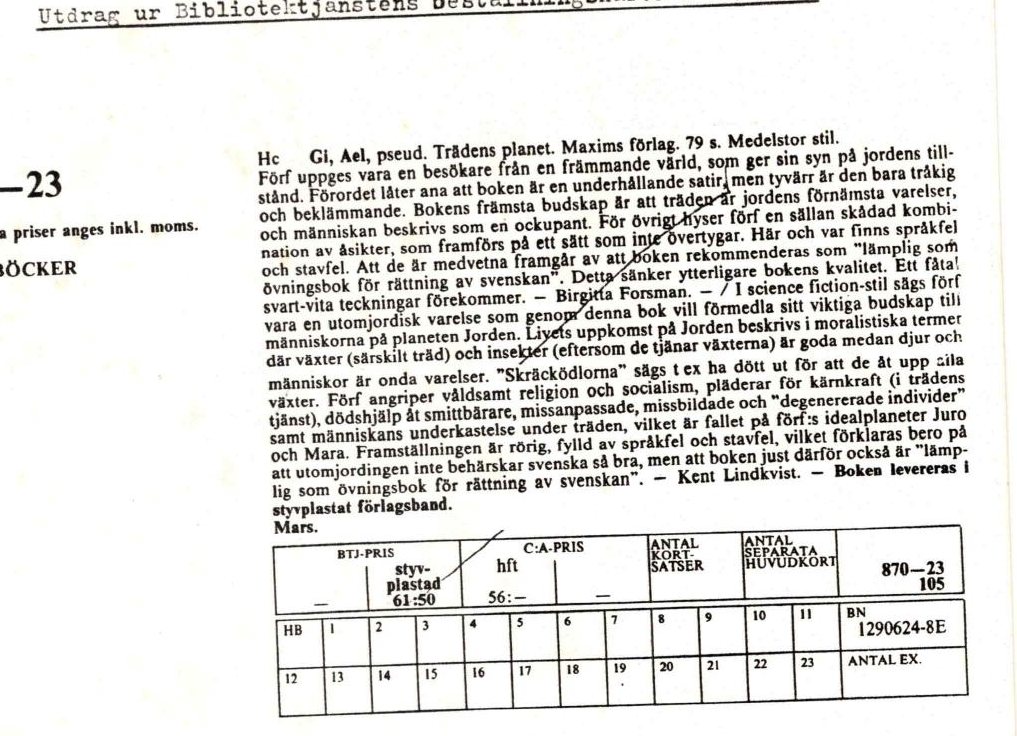
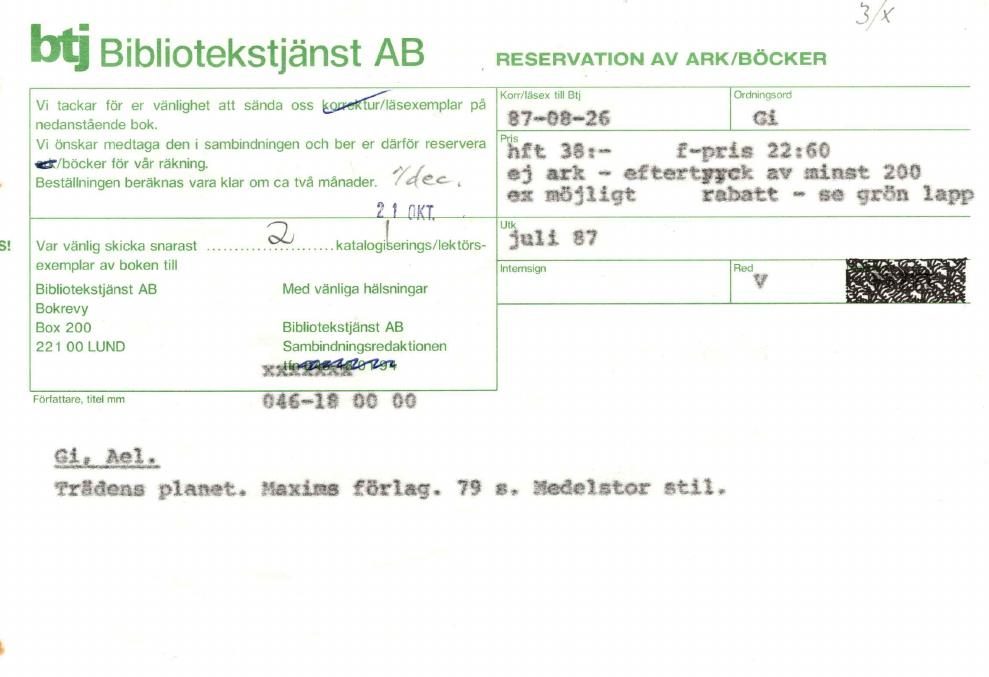
The library service was far stricter. Swedish public libraries bought books based on reviews by the library service Bibliotekstjänst (BTJ). Two readers called the book dull and full of language errors. According to Gabriel, these reviews discouraged both librarians and booksellers.
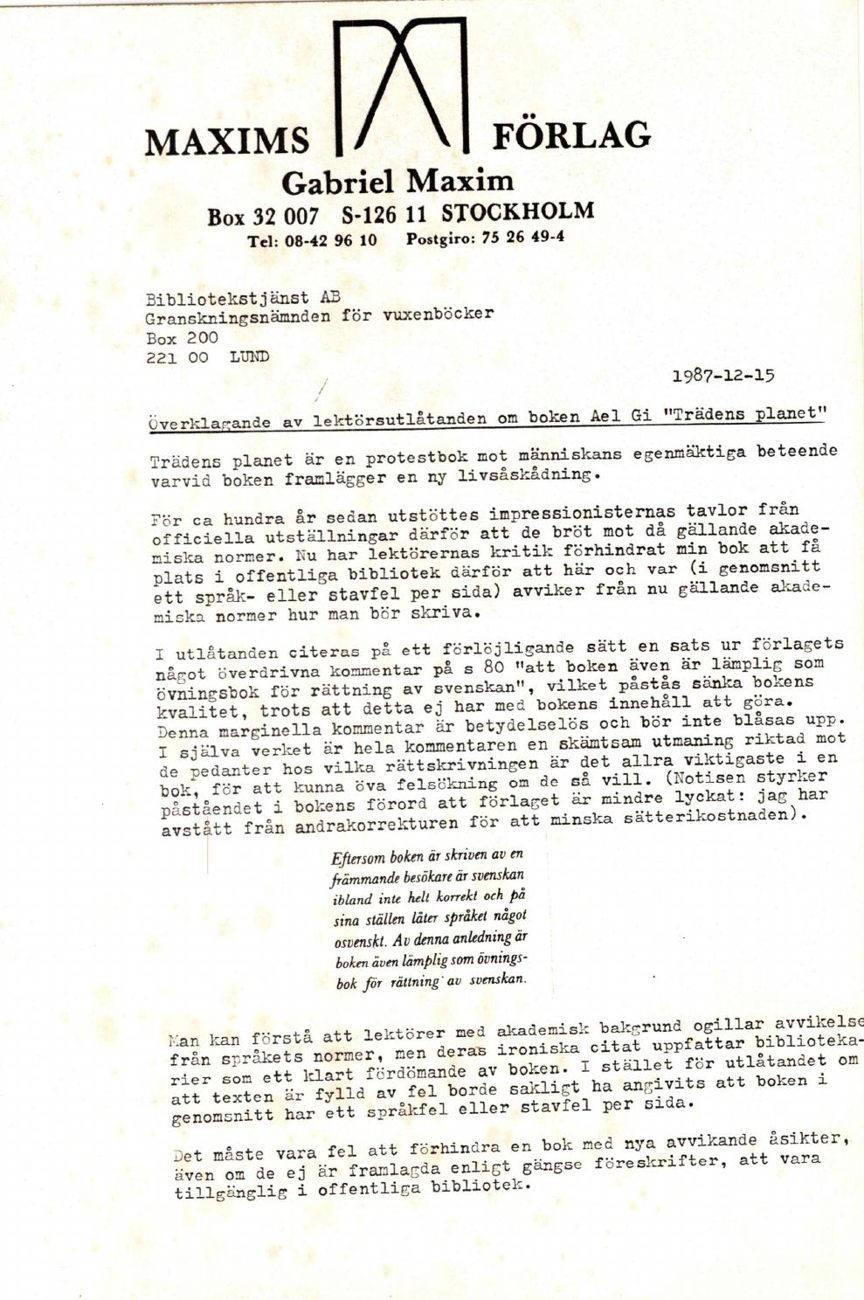
Gabriel would not accept it. On 15 December 1987 he lodged an appeal with BTJ. He recalled that a hundred years earlier even the Impressionists’ paintings had been excluded from official exhibitions for breaking academic norms. He objected that the reviewers attributed to him views that were not in the book, and argued that a book with new and different views should not be excluded from libraries just because it is inconvenient or was not written by a linguist. He asked for the entry to be corrected in the database and in the order catalogue.
“Drága mulatság”
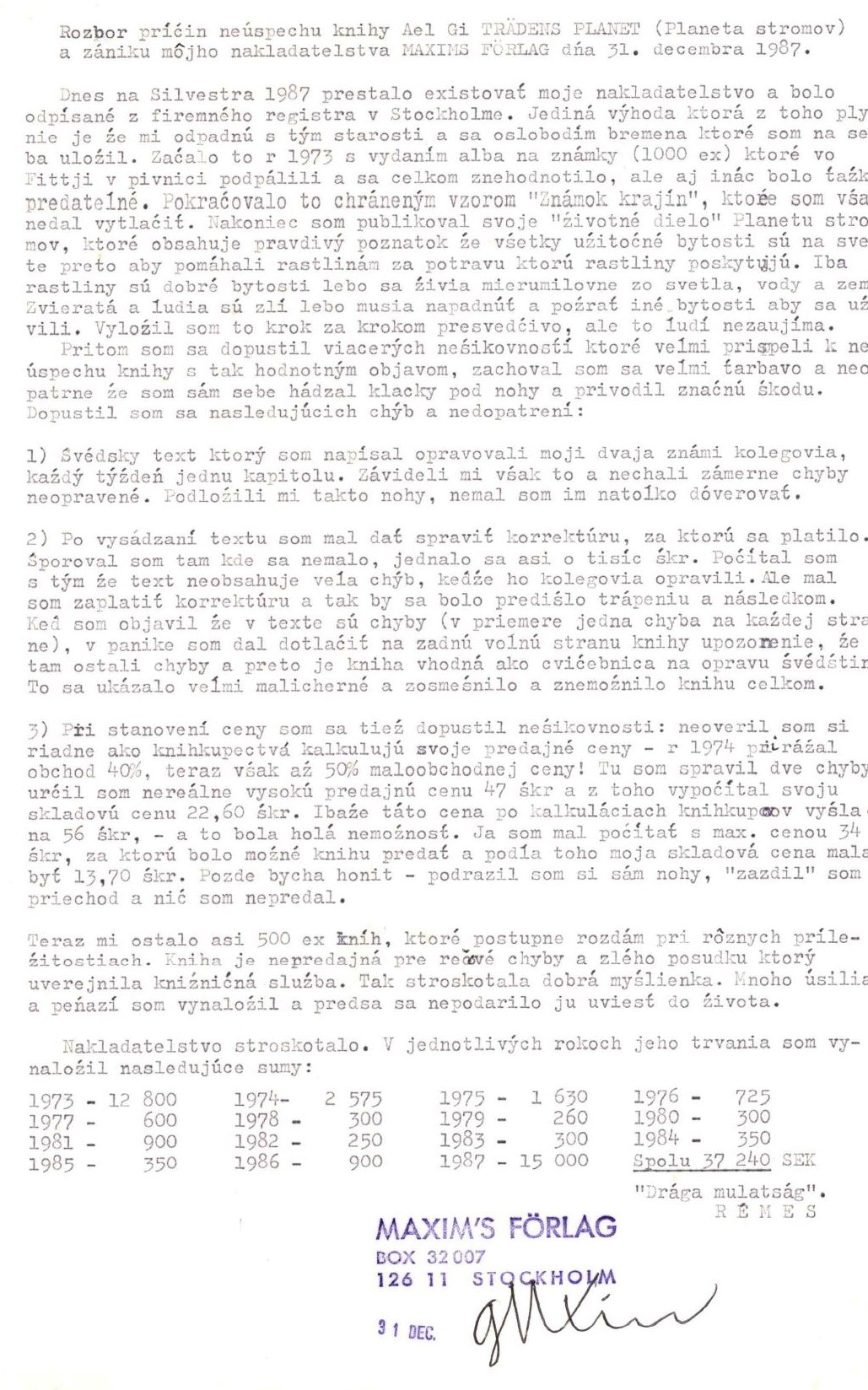
On New Year’s Eve 1987 the Maxims förlag publishing house ceased to exist and was deleted from the Stockholm commercial register. That day Gabriel wrote, in Slovak, a candid “Analysis of the causes of the failure of the book Ael Gi Trädens planet and of the end of my publishing house”.
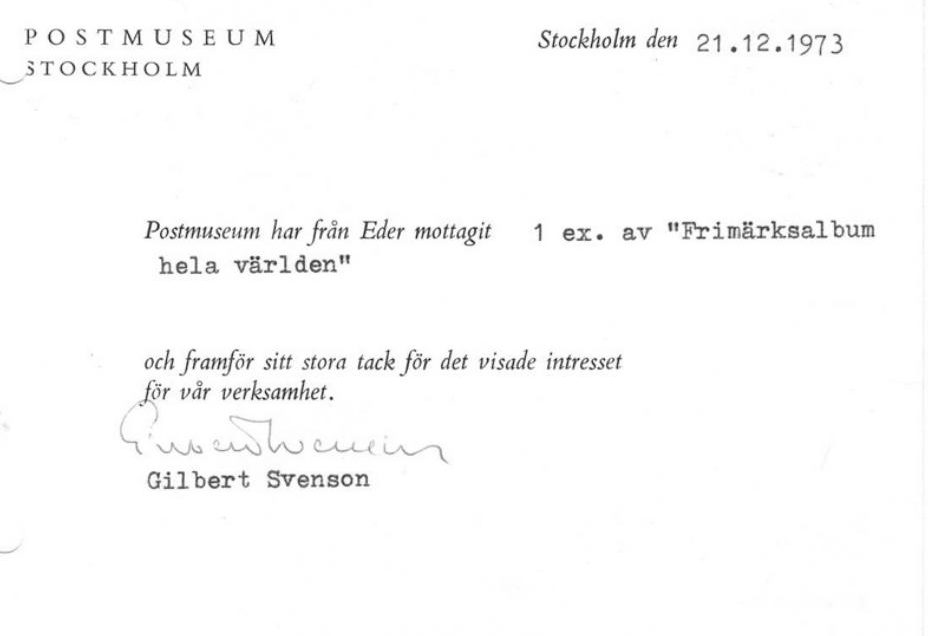
The publishing house started in 1973 with a postage stamp album, “Frimärksalbum hela världen” (Stamp album – the whole world), printed in 1,000 copies. He donated one copy to the Postal Museum in Stockholm, which thanked him in writing on 21 December 1973. The entire print run was destroyed by a fire in a cellar in Fittja. It was followed by a registered design, “Stamps of the countries”, which he never had printed. Finally he published his “life’s work”, The Planet of Trees.
He blamed himself above all for the book’s failure:
- Two colleagues corrected the Swedish text chapter by chapter, but in his view they deliberately left errors in it.
- He saved about a thousand crowns on paid proofreading. On average one error per page remained, and the added notice about an “exercise book in Swedish” made the book ridiculous, in his words.
- He set the wrong price. Bookshops were by then adding 50 % instead of 40 %, so the book cost 56 crowns instead of a realistic 34. “Too late now – I tripped myself up.”
He was left with about 500 copies, which he planned to give away gradually. Over the 15 years of the publishing house he put a total of 37,240 Swedish crowns into it, 15,000 of them in 1987 alone. He closed the analysis in Hungarian: “Drága mulatság. Rémes.” – “An expensive amusement. Dreadful.”
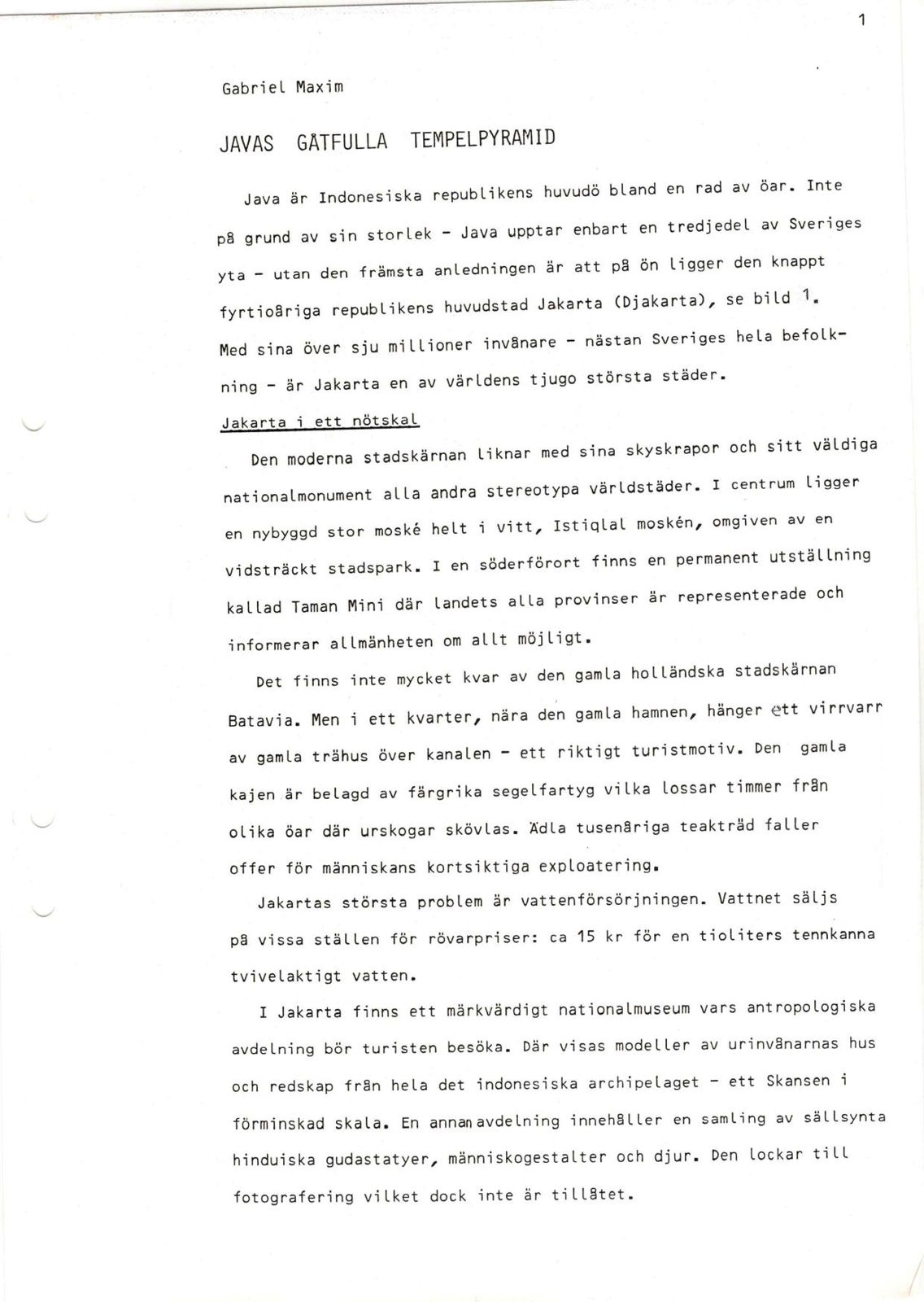
The mysterious temple pyramid of Java
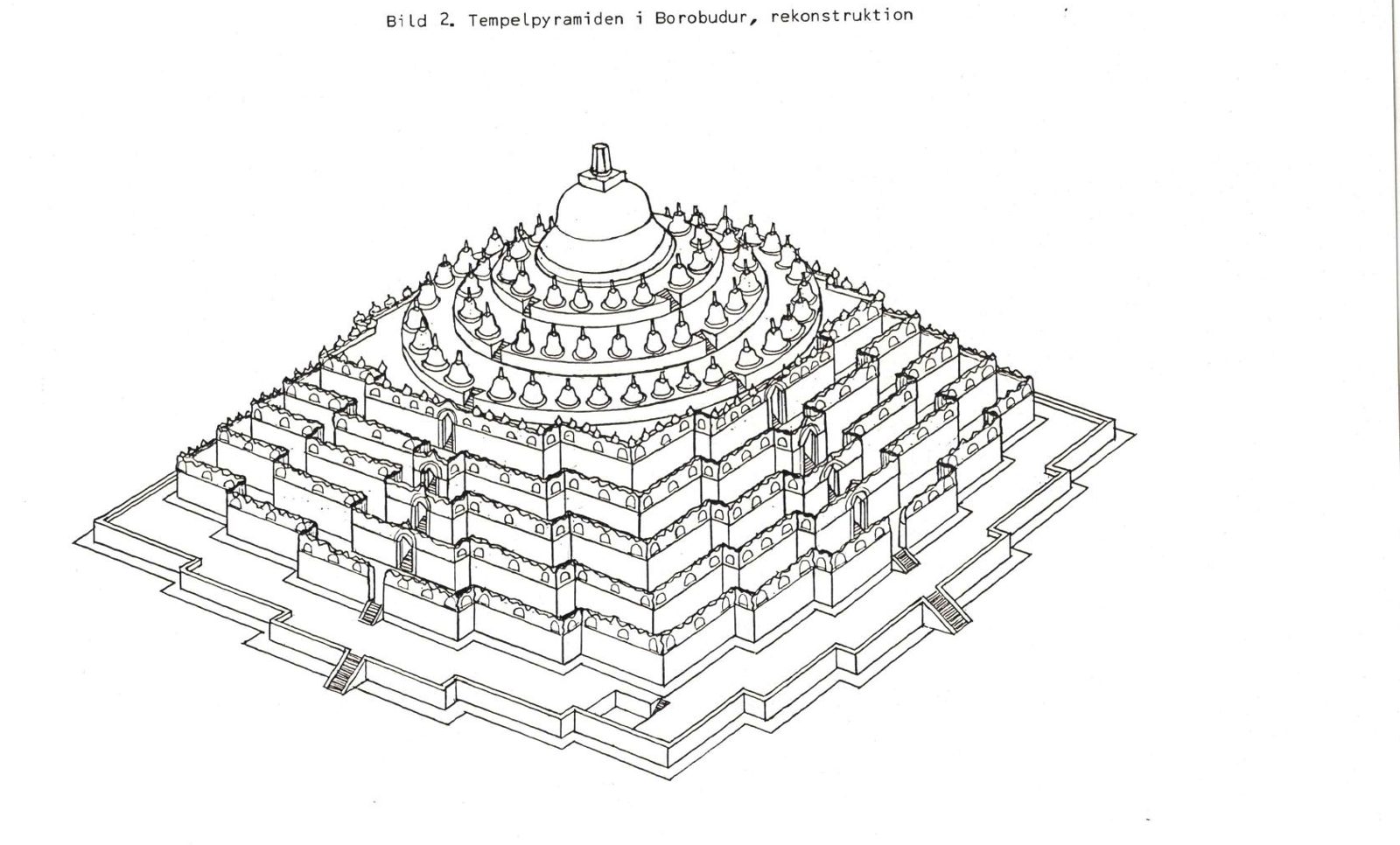
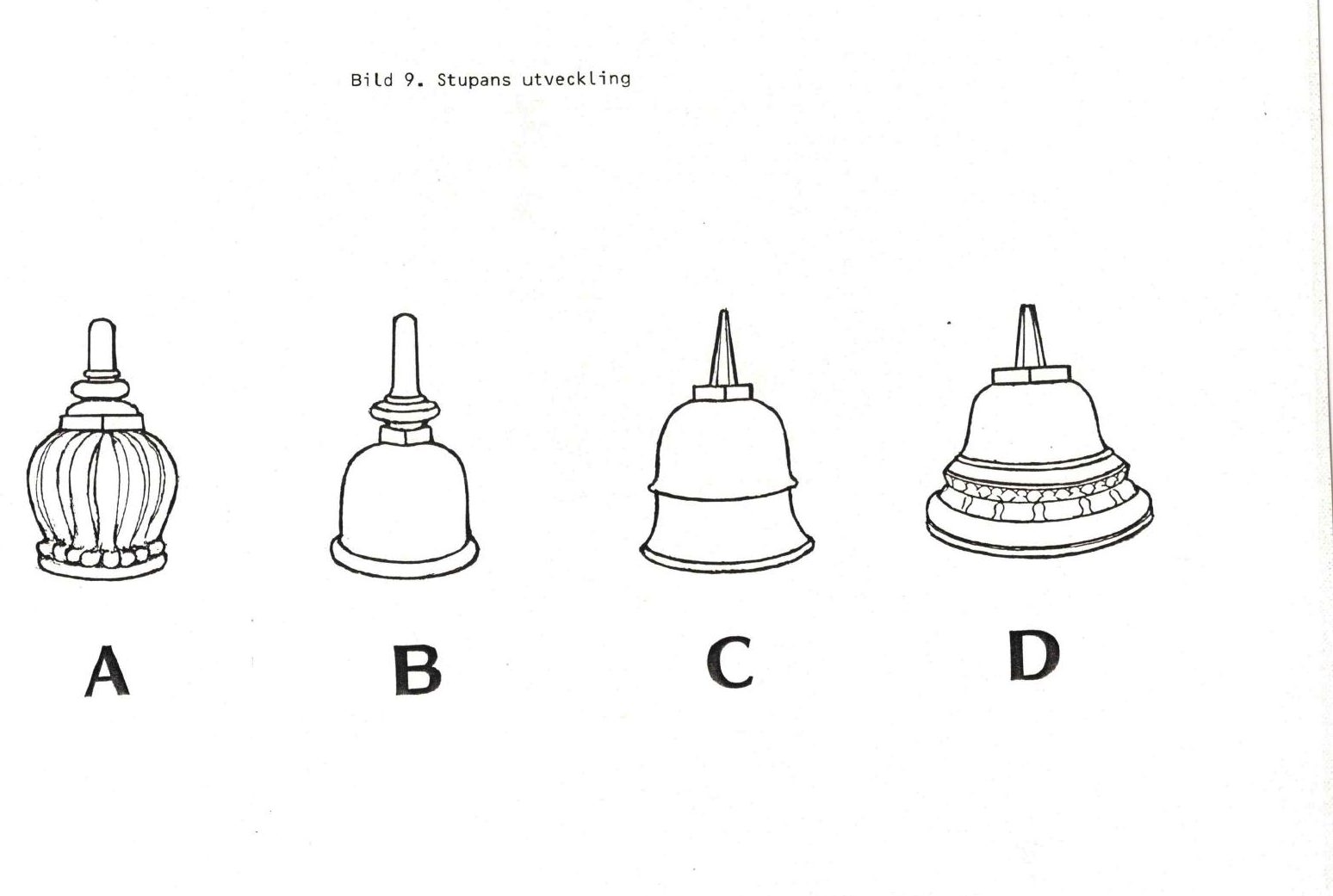
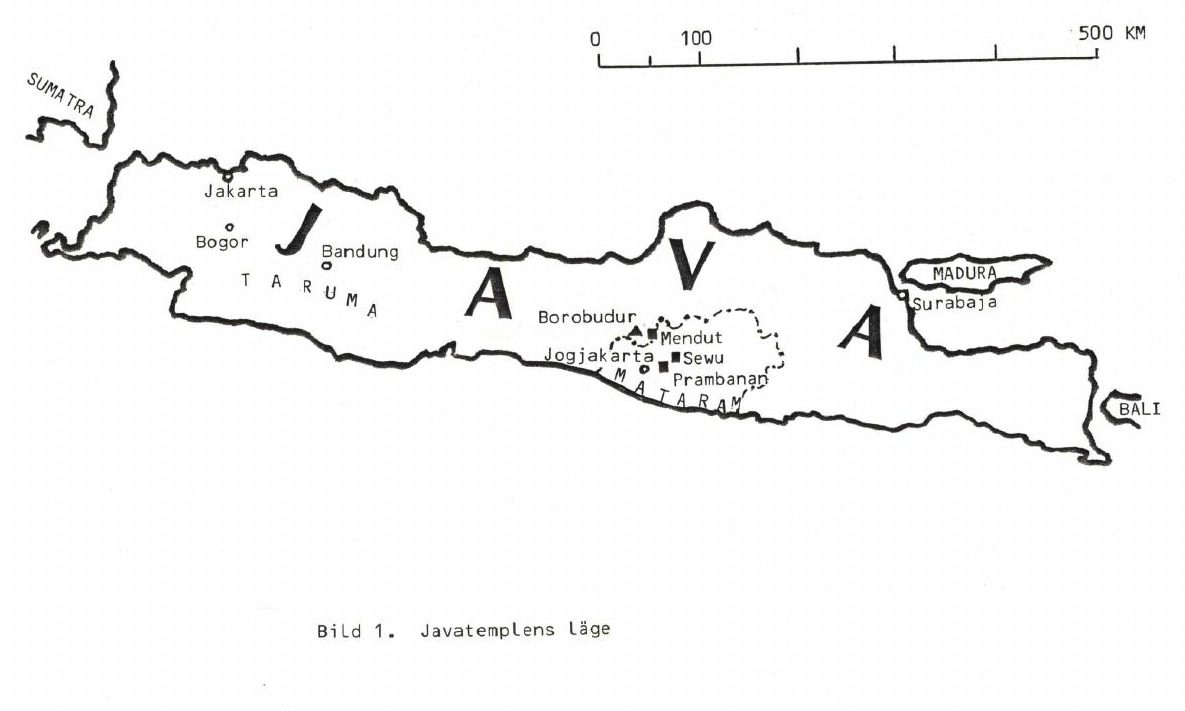
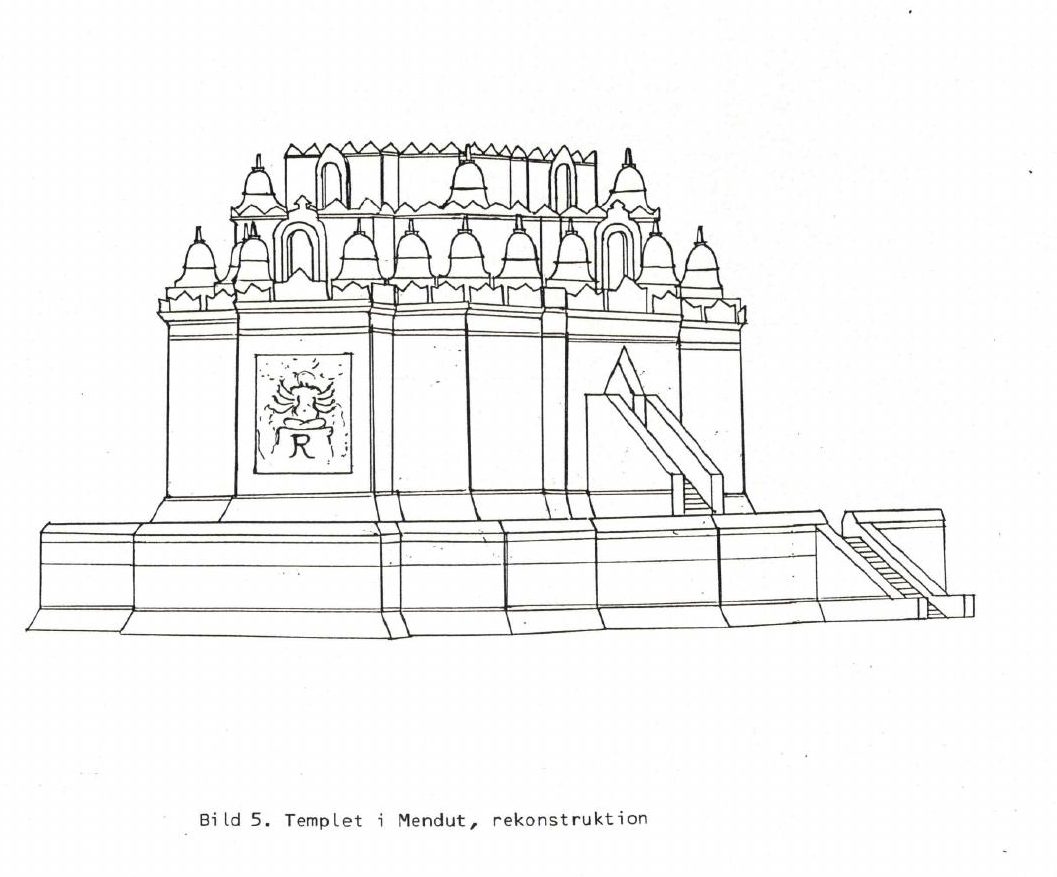
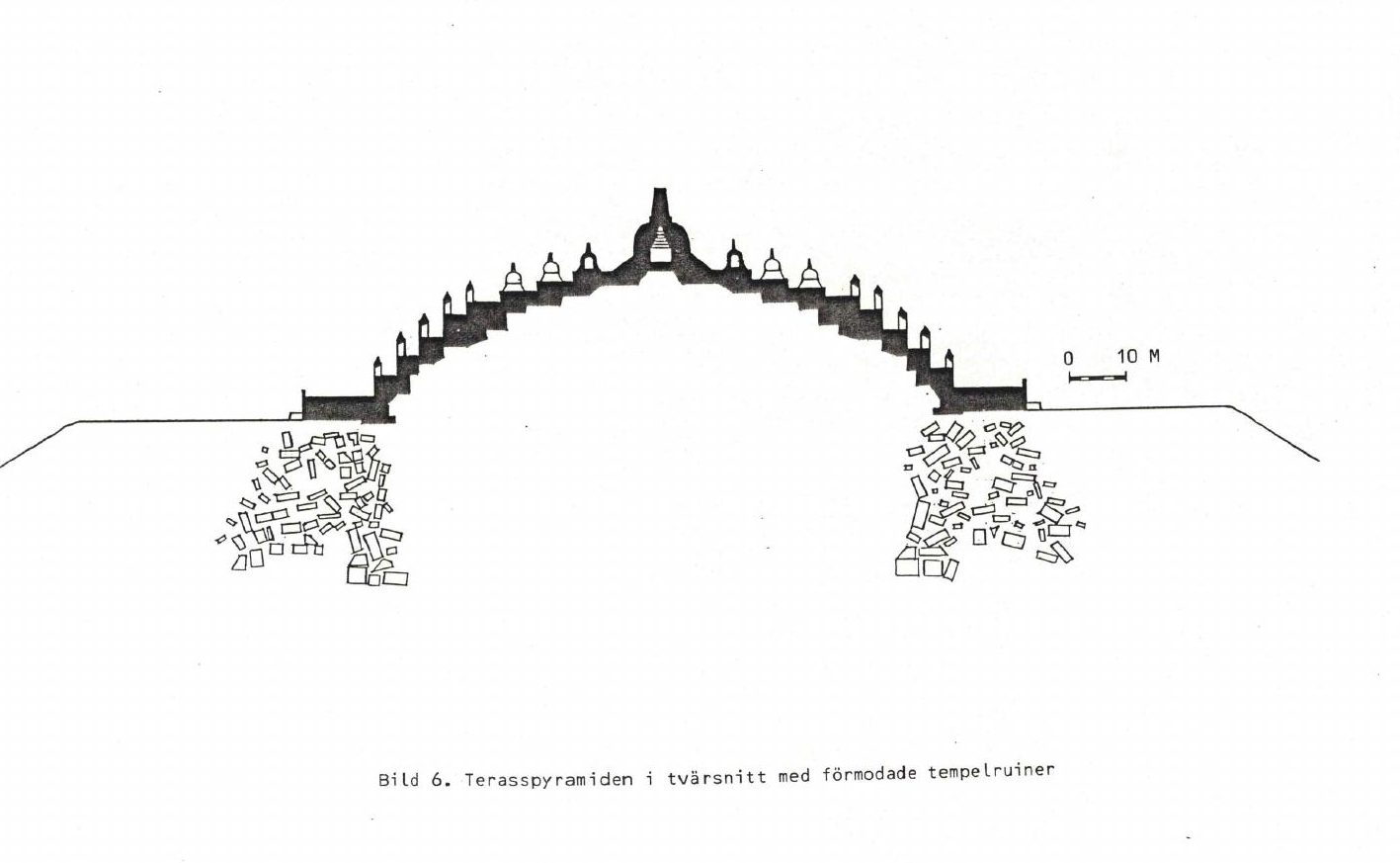
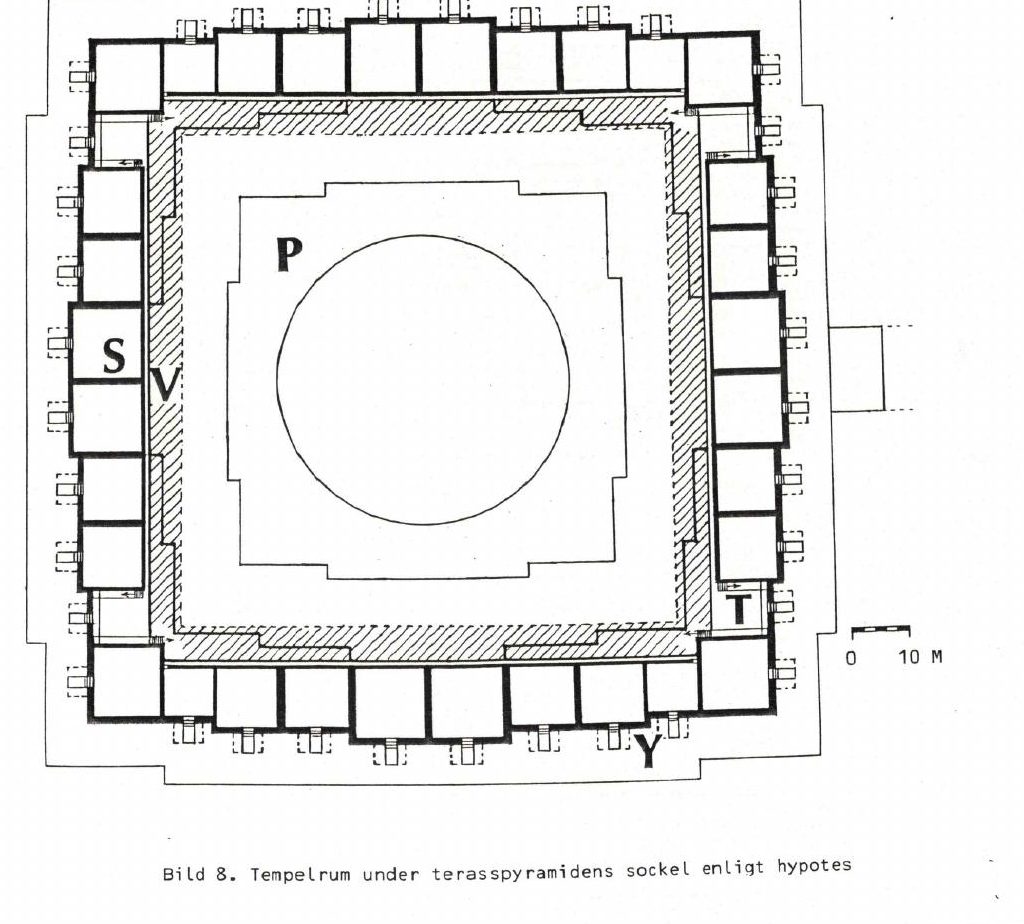
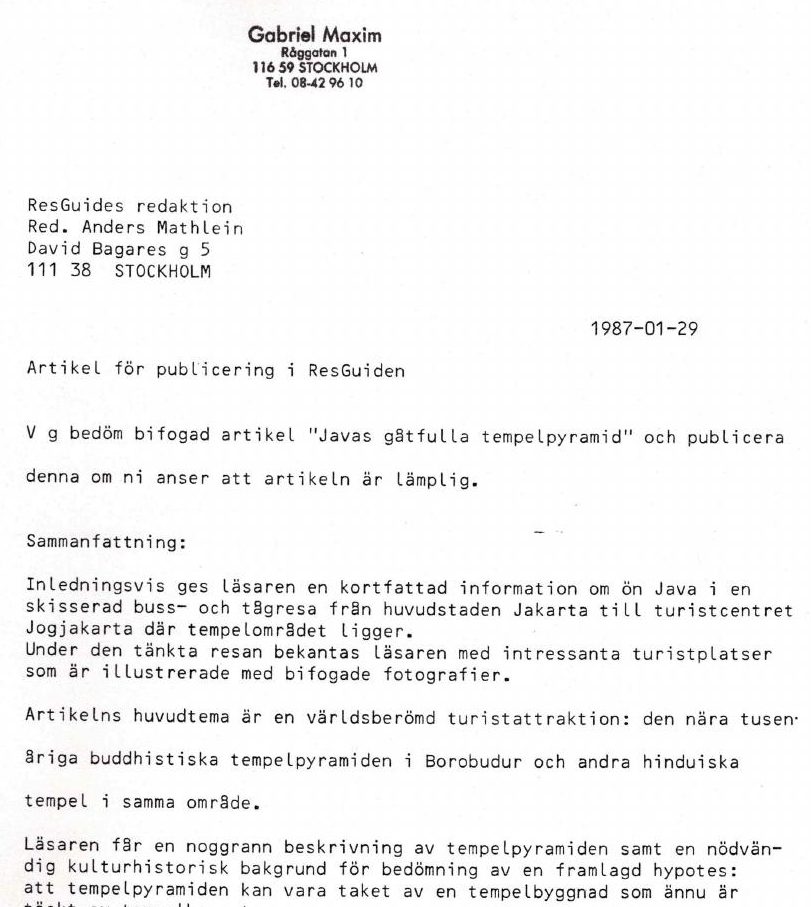
Gabriel did not only take photographs on his travels – he also wrote. In January 1987 he sent the Swedish travel magazine ResGuide, “the largest travel magazine in the North”, a manuscript entitled Javas gåtfulla tempelpyramid – The Mysterious Temple Pyramid of Java. It ran to almost 17 A4 pages and was illustrated with his own drawings.
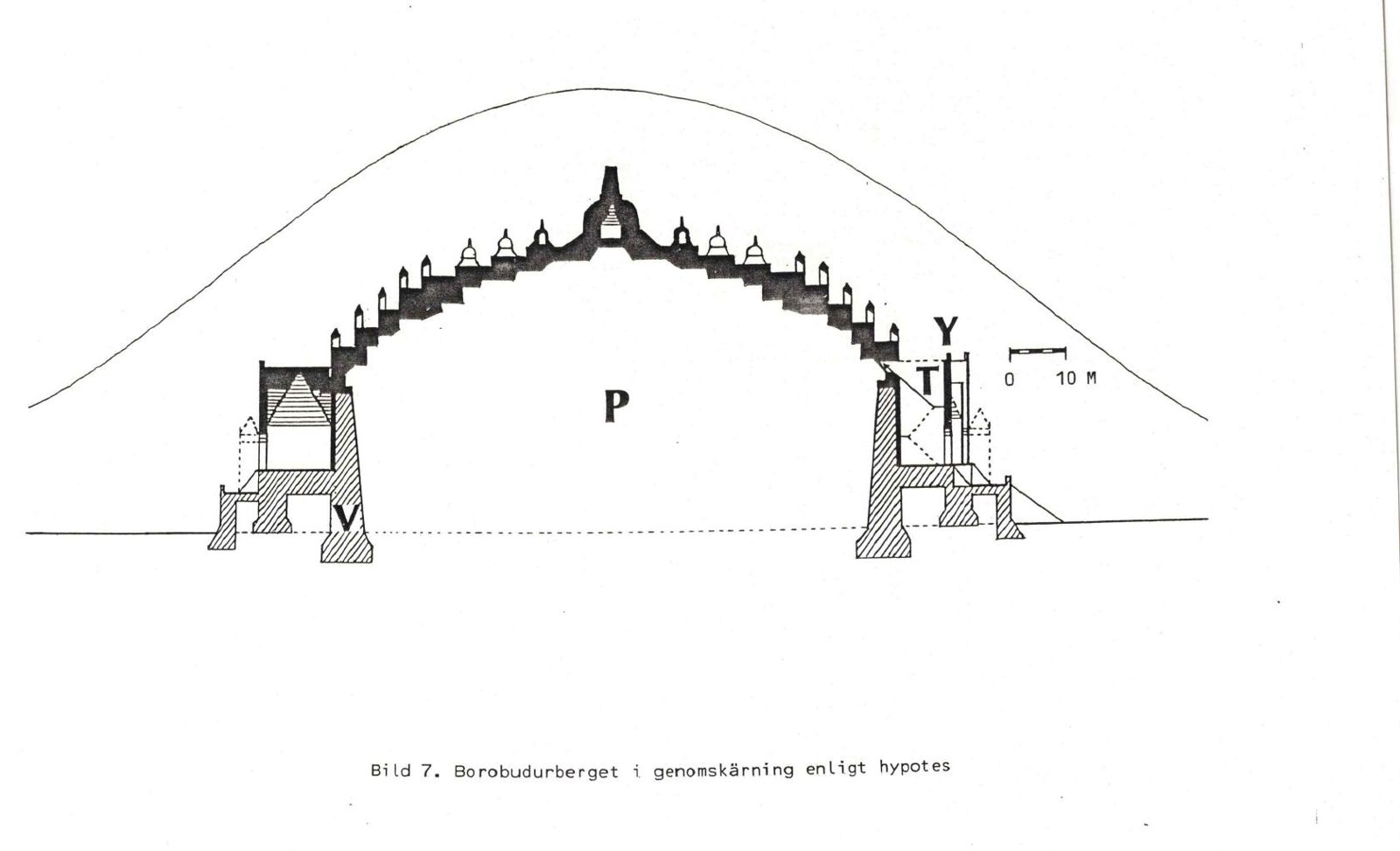
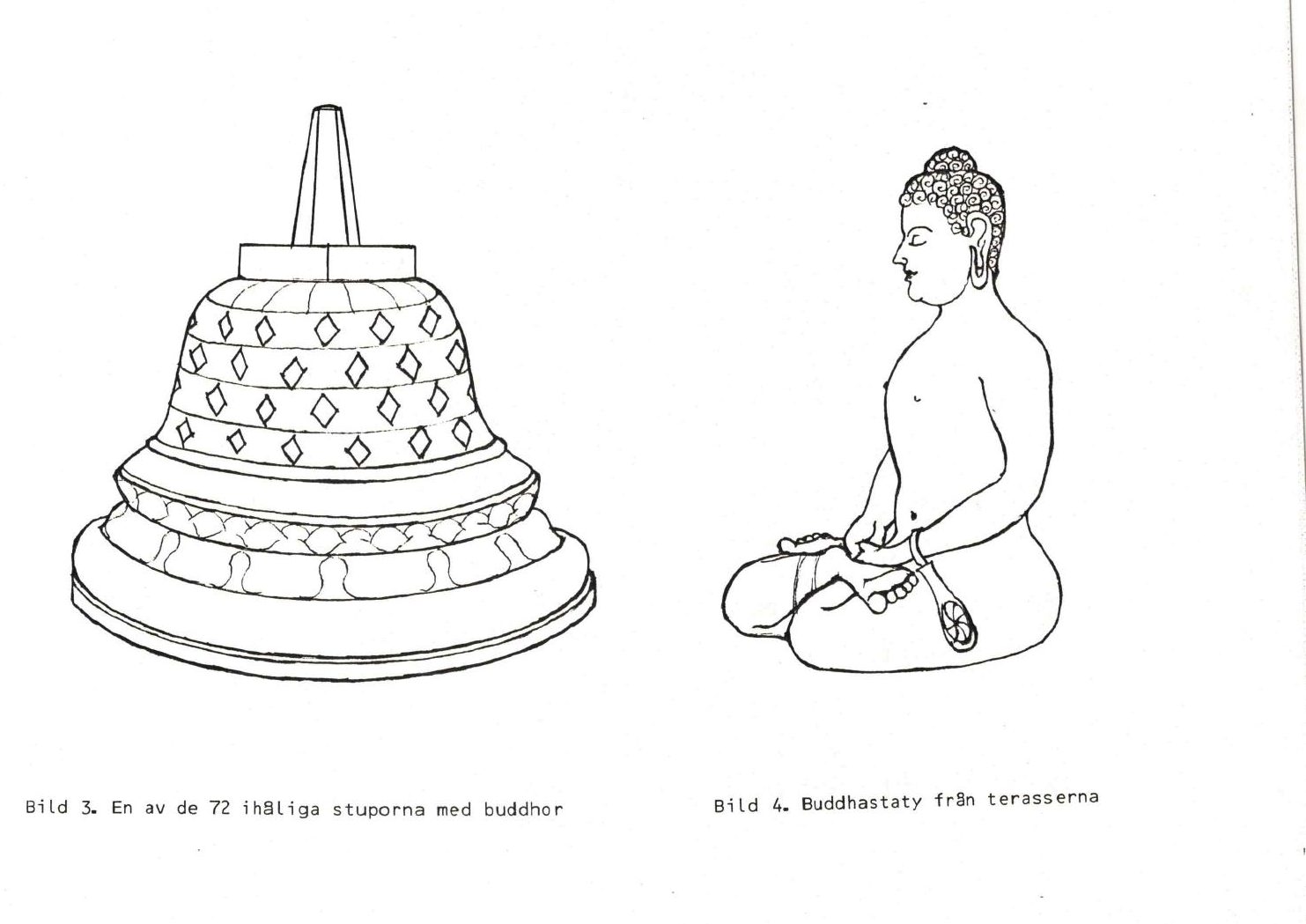
He first took the reader across Java, by bus and train from Jakarta via Bandung to Yogyakarta. He then described in detail the 9th-century Buddhist temple pyramid of Borobudur and the Hindu temples around it. Finally he put forward his own hypothesis: Borobudur’s stepped pyramid may be the roof of a temple building that is still covered by the temple hill.
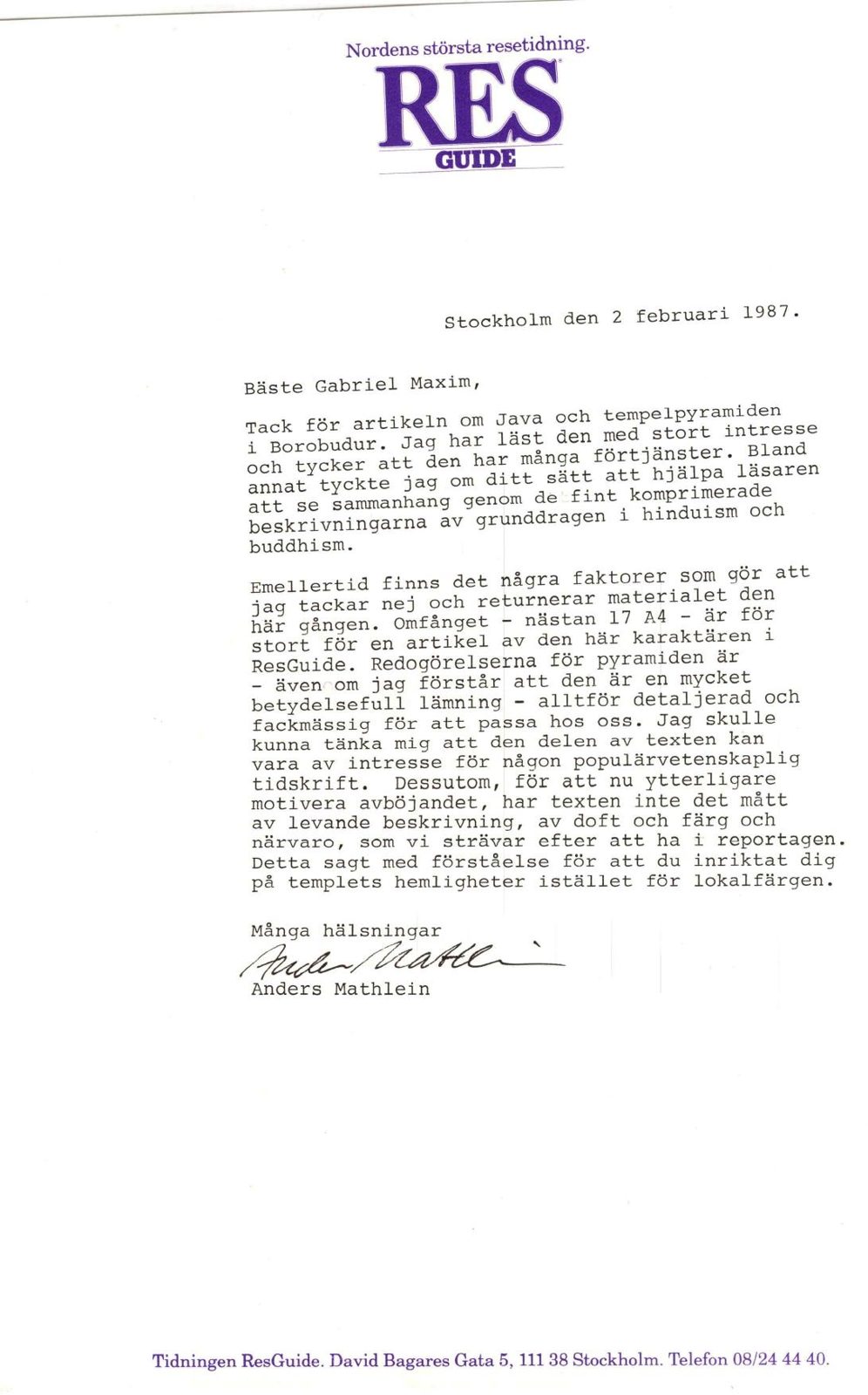
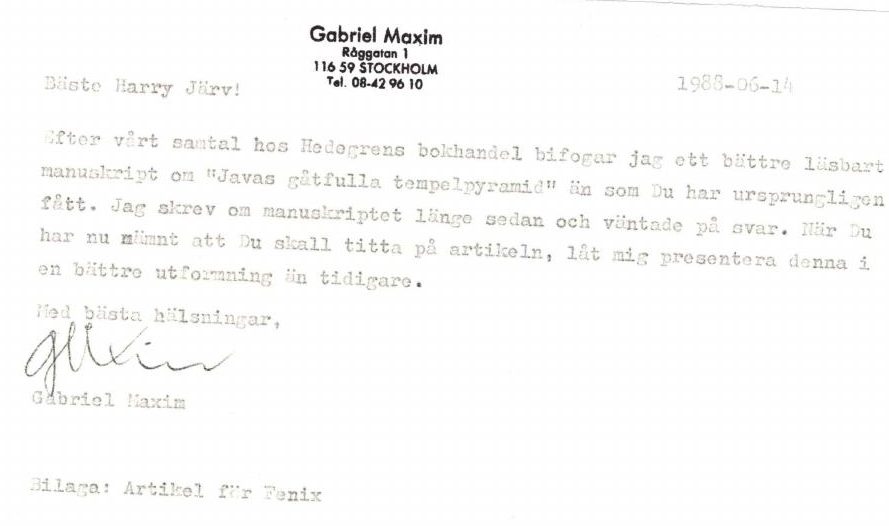
The editor Anders Mathlein replied on 2 February 1987. He praised in particular the “finely condensed descriptions of the foundations of Hinduism and Buddhism”, but rejected the text for the magazine as too long and too specialised, recommending a popular science periodical instead. Gabriel did not give up. In June 1988 he sent a revised manuscript to Harry Järv, whom he had met at the Hedengrens bookshop in Stockholm, for the magazine Fenix.
Both versions survive in the archive. The first has 17 pages and opens with a travelogue through Java. The revised version has 14 pages and omits the travel section: it begins directly with a description of Borobudur and concentrates on its construction, history and Gabriel’s hypothesis. It is probably the text he offered to Fenix in 1988.
Stonehenge as a solar furnace
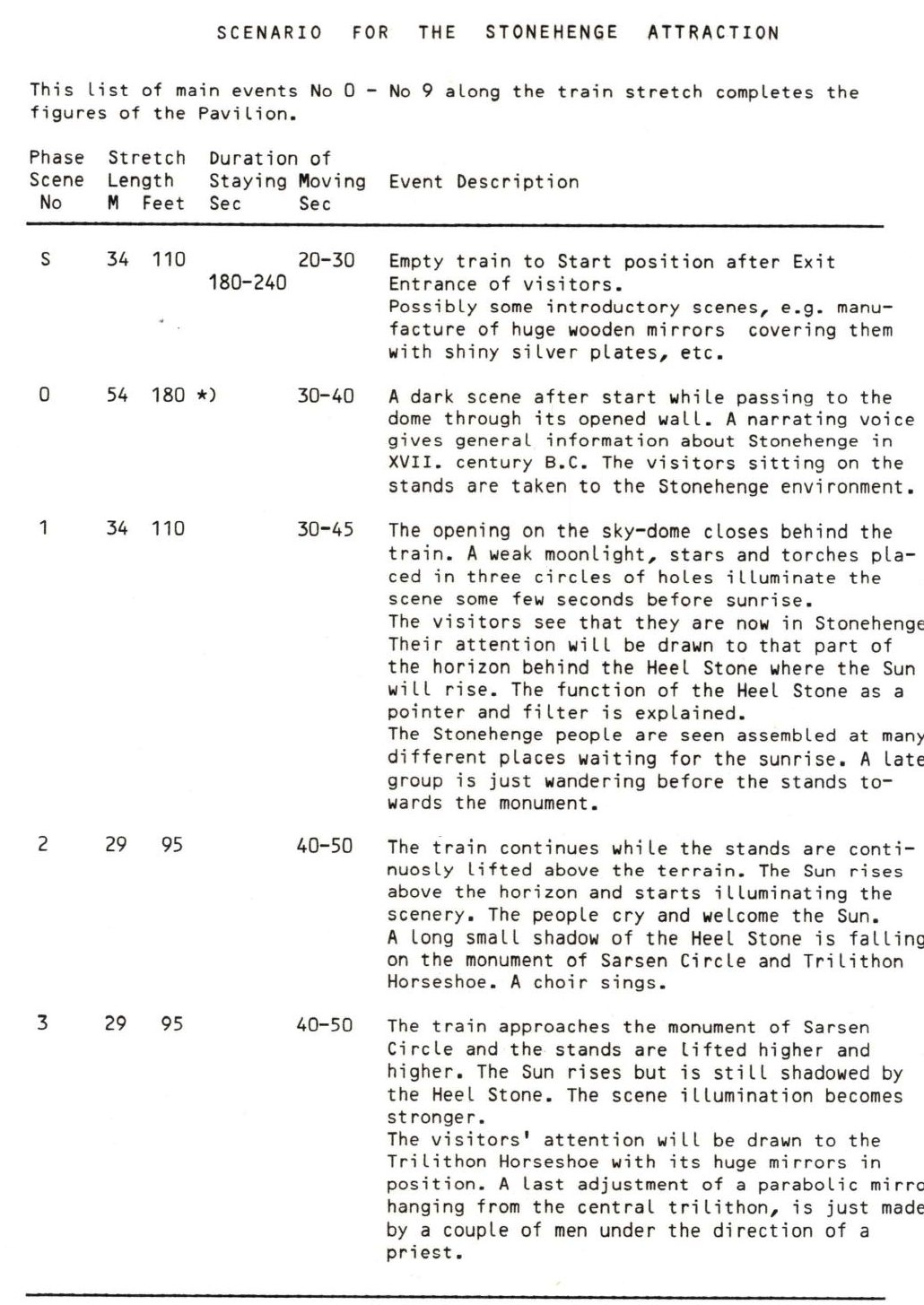
In 1984 Gabriel published in Sweden a theory according to which Stonehenge worked as a solar furnace – “Stonehenge III: a Solar Furnace”. At sunrise on the summer solstice, a mirror device suspended in the trilithon horseshoe was supposed to concentrate the rays on the Altar Stone and light a fire. In his view the Heel Stone served as a pointer and a light filter. The text was also published in an English version. Ancient calendars occupied him elsewhere too: he looked for traces of a 56-part circle, similar to the one at Stonehenge, even in the Aztec calendar stone.
Scientific intuition
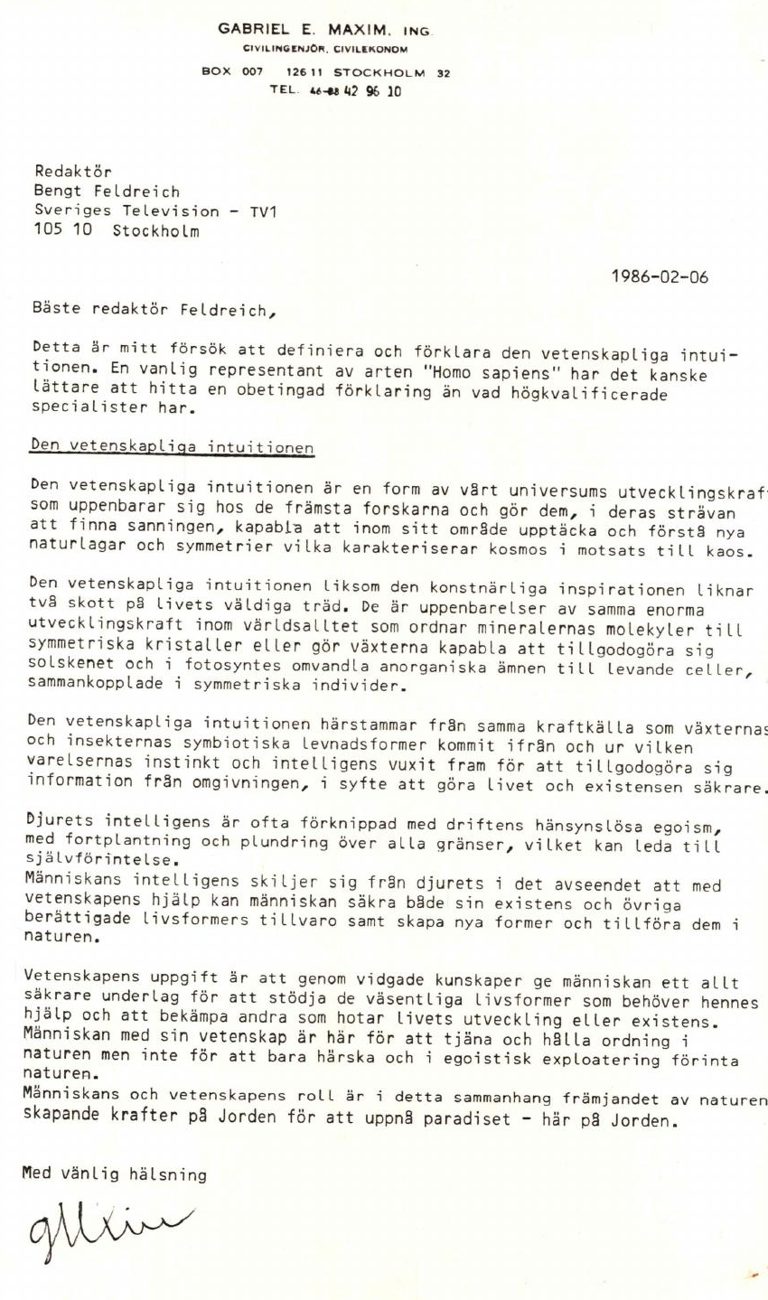
In February 1986 he sent Bengt Feldreich, an editor at Swedish Television, an essay on what scientific intuition is. “An ordinary member of the species Homo sapiens may find it easier to arrive at an unbiased explanation than highly qualified specialists,” he wrote. He regarded scientific intuition, like artistic inspiration, as an expression of the same creative force of the universe that arranges molecules into crystals and enables plants to photosynthesise.
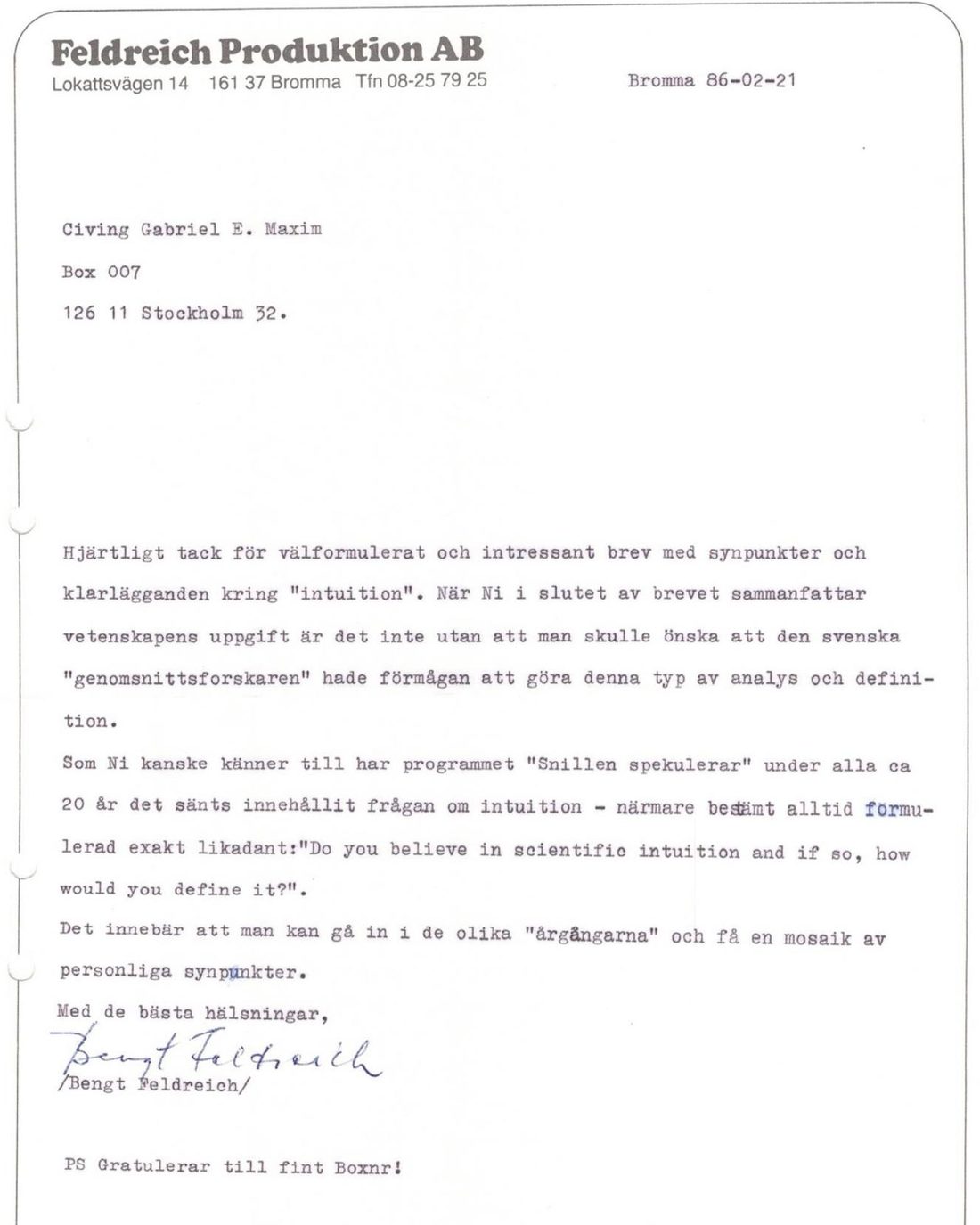
Feldreich thanked him on 21 February 1986 for a “well-formulated and interesting letter” and remarked that one could only wish the average Swedish researcher were capable of such an analysis. He recalled that the programme “Snillen spekulerar” (Geniuses speculate), in which each year’s new Nobel laureates meet, had for some twenty years asked them exactly the same question: “Do you believe in scientific intuition and if so, how would you define it?”
The Aztec calendar in a clearer light
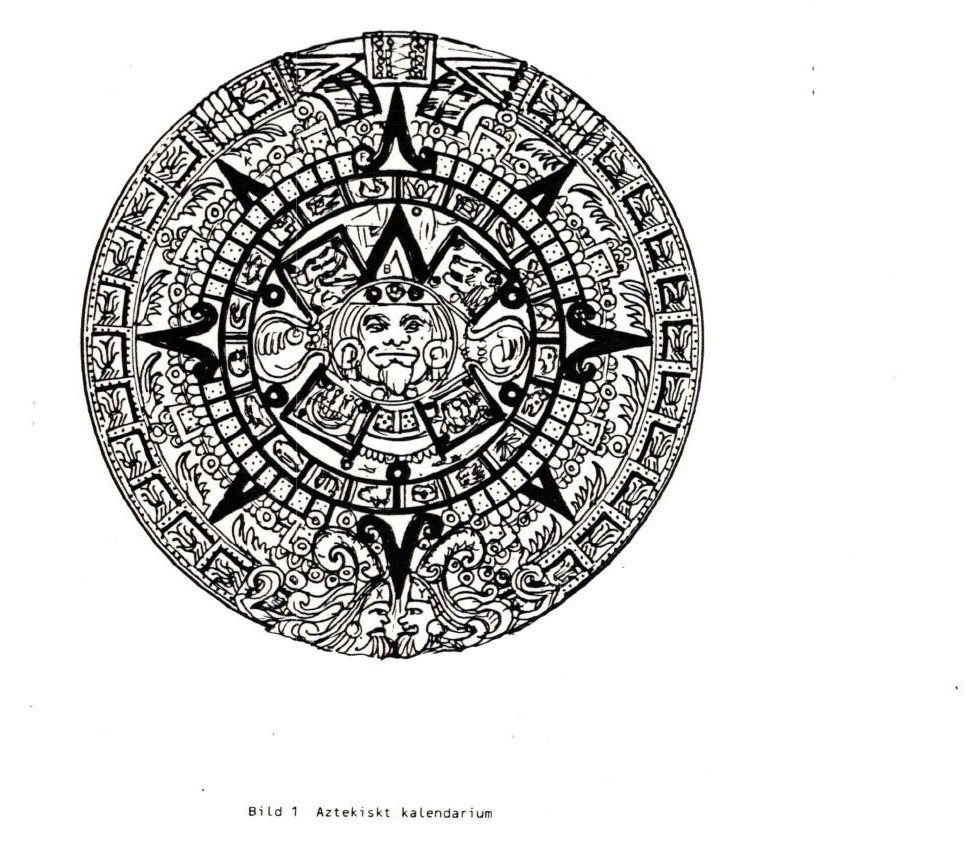
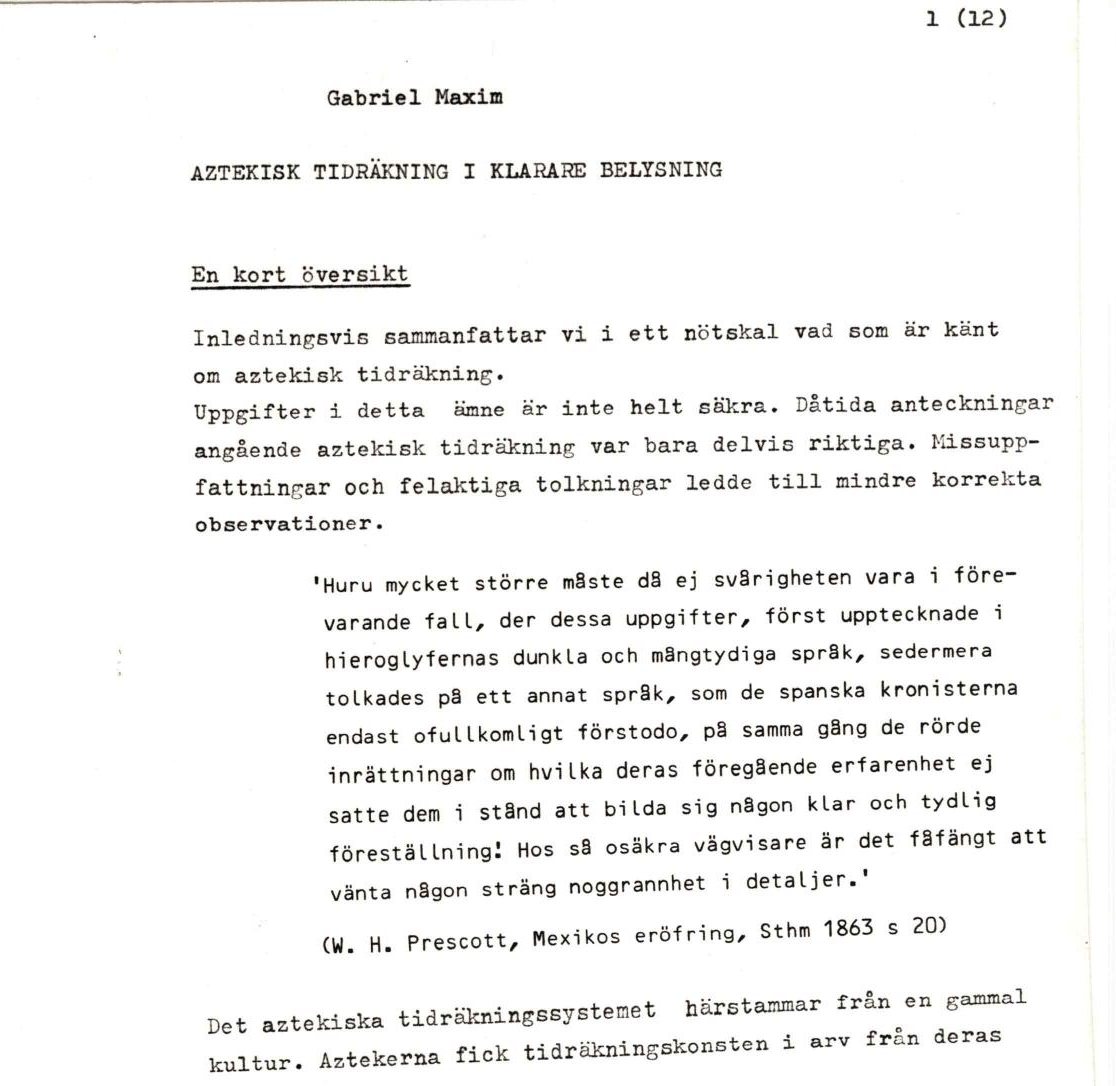
Old calendars were another of Gabriel’s passions. In Swedish he wrote the study Aztekisk tidräkning i klarare belysning (Aztec time-reckoning in a clearer light), in which he tried to decipher a system that, in his view, even the Spanish chroniclers had not understood.
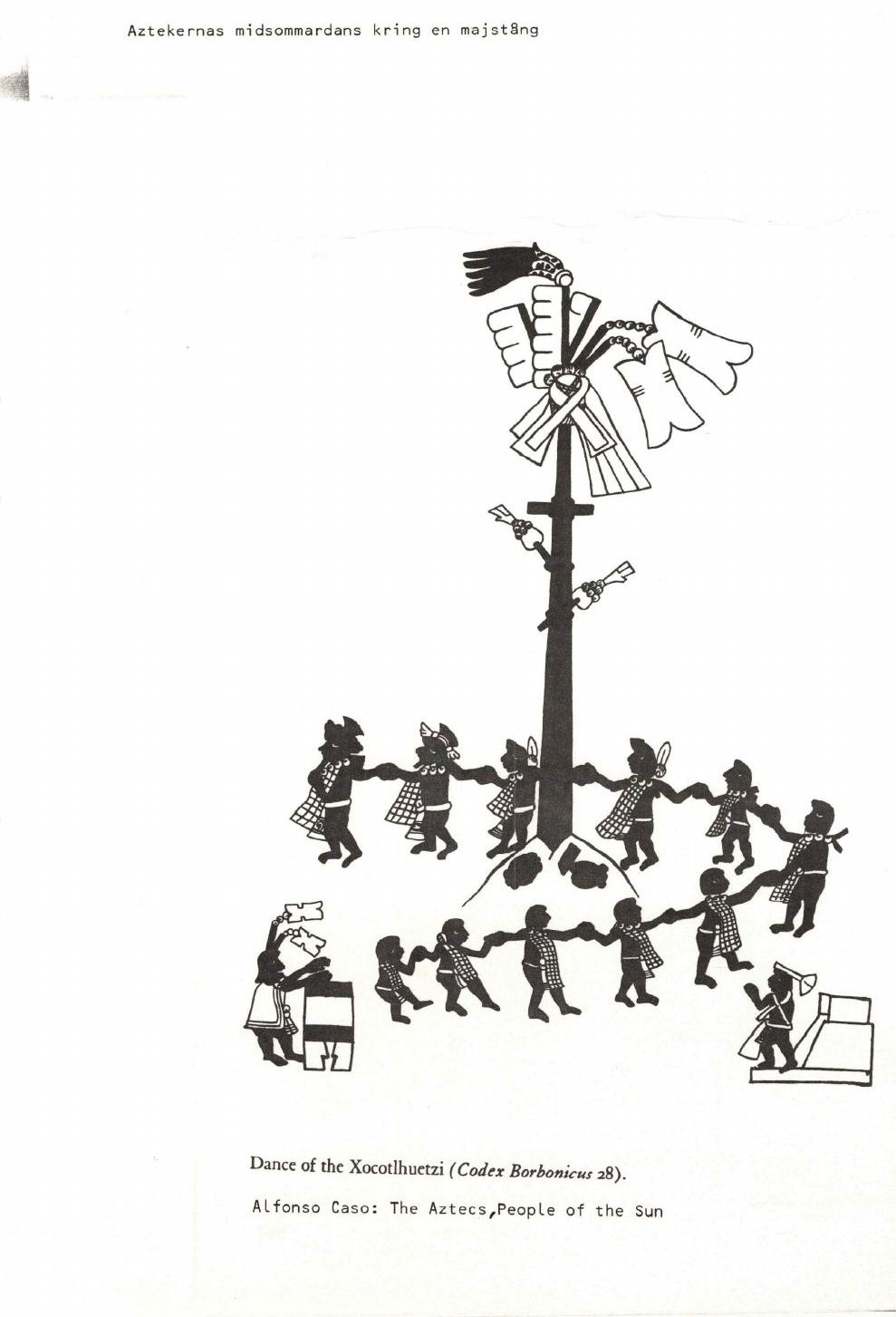
According to him, the Aztec calendar was built on the numbers four, five and thirteen, which recur on the famous calendar stone. He also saw in the stone traces of an even older 56-part circular calendar, similar to the one at Stonehenge.
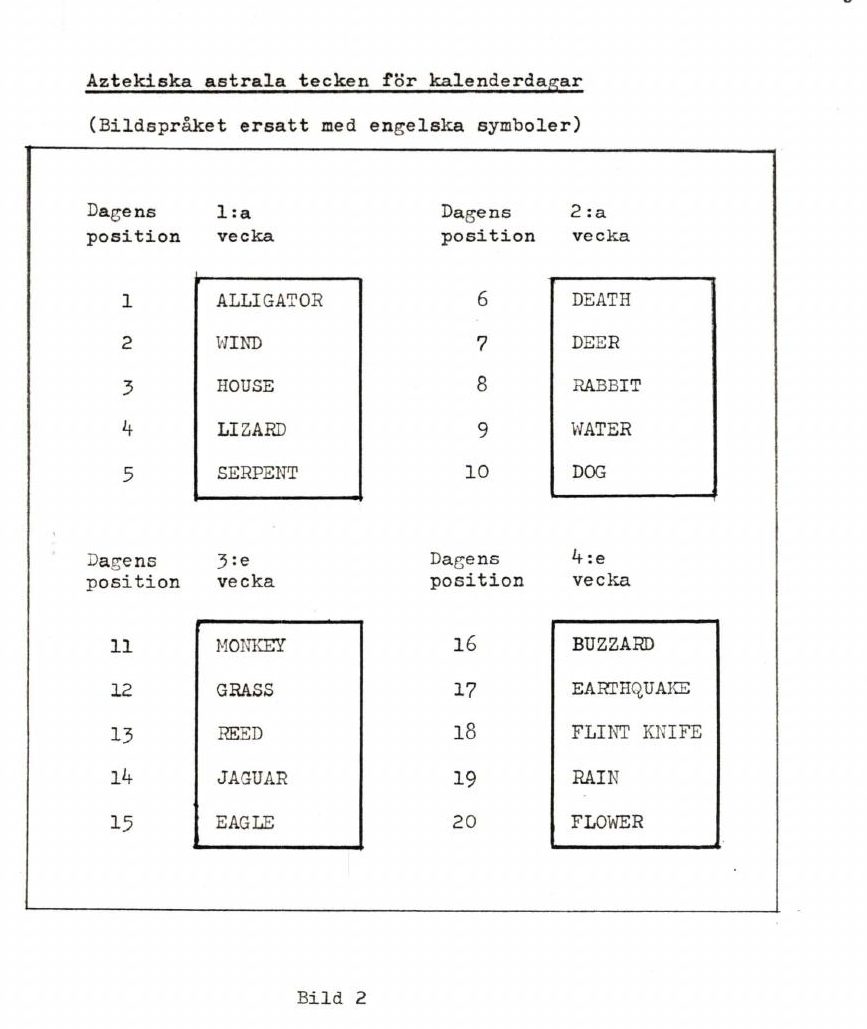
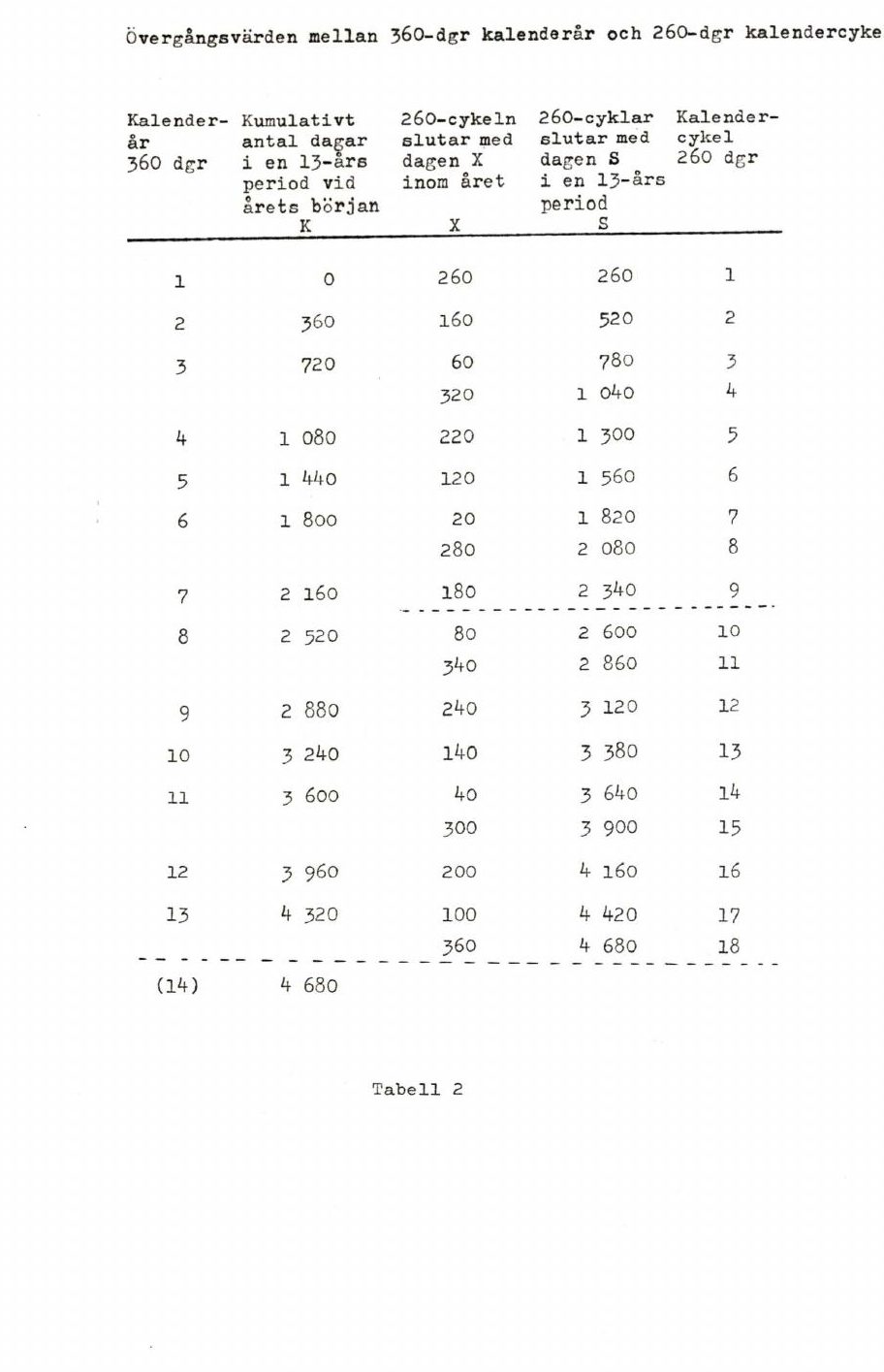
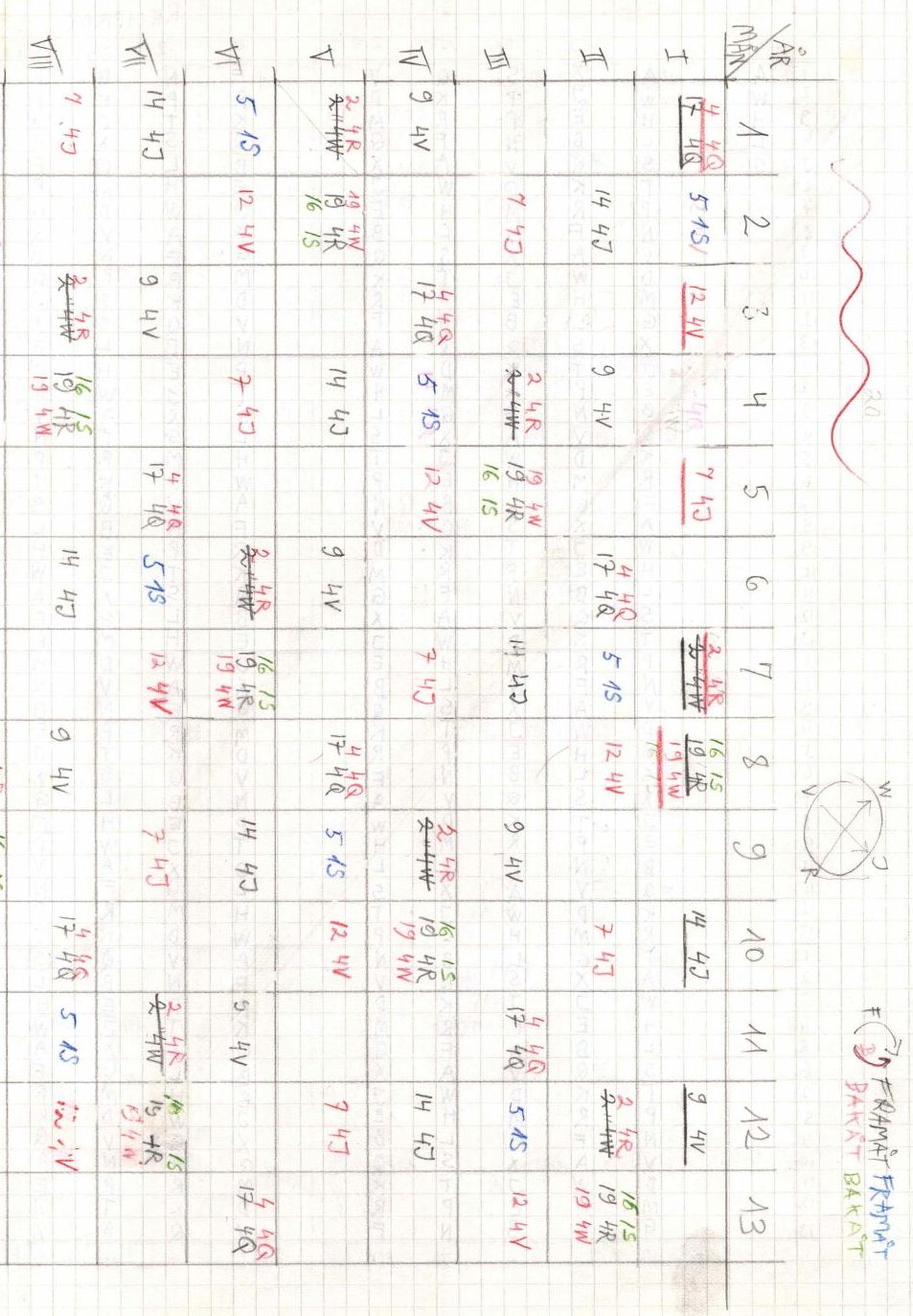
The Aztecs used two calendars: a ritual one of 260 days (13 numbers × 20 day signs) and a civil one of 360 days plus five “unlucky” days. Gabriel showed that the two meet after 13 years, because 13 × 360 = 18 × 260 = 4,680 days. With his own tables he was able to reconstruct, at least in part, the lost tonalamatl – the “books of days” by which Aztec priests foretold fates and named children after their day of birth.
For his readers he added an example: the day “1-Serpent” was considered a good day to start a trading journey. On which day should one set out if it is the beginning of the third year of a thirteen-year period? According to his calculation, on the 5th day of the 9th “month”.
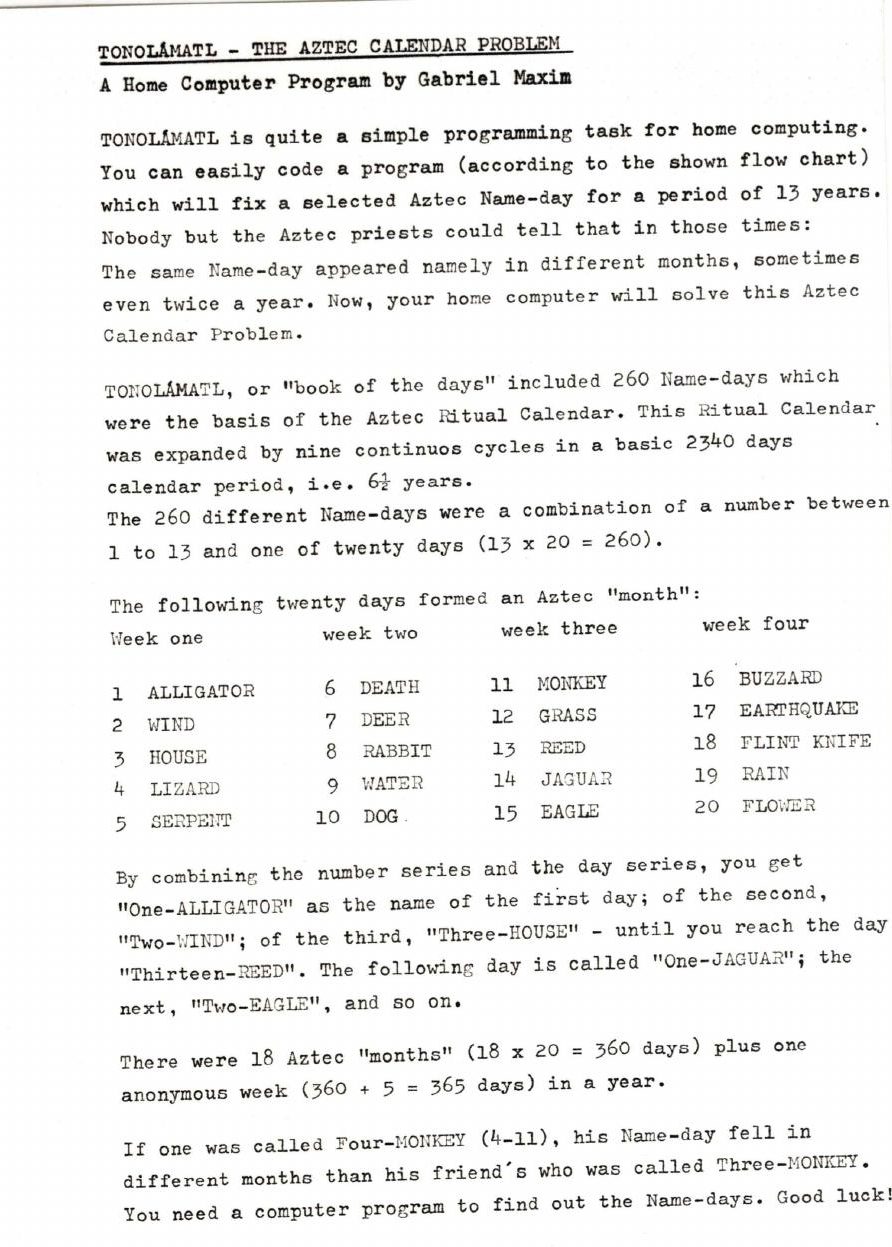

The Aztec calendar on a home computer
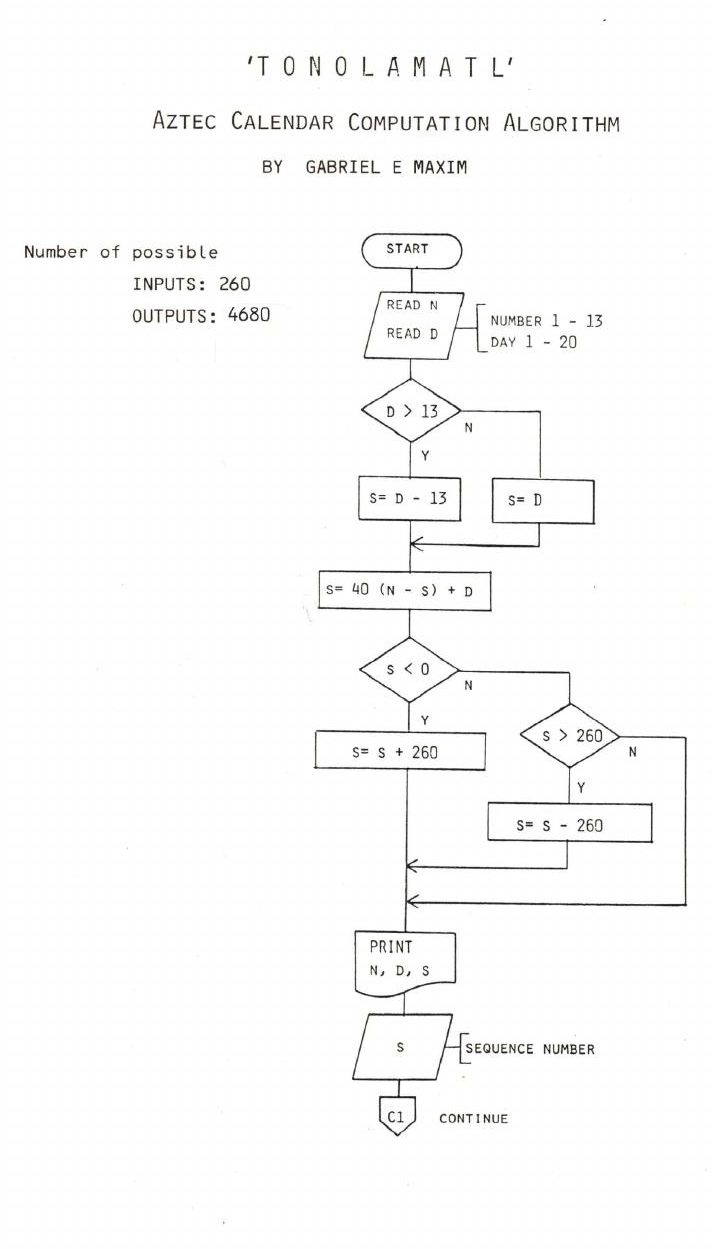
The engineer in him showed through. To the study he added, in English, a design for a home computer program, Tonolámatl – The Aztec Calendar Problem, with his own flowchart.
For any of the 260 Aztec “name days”, such as “Four-Monkey”, the program calculates when it falls in the following 13 years. In Aztec times only the priests could work this out, because the same day fell in one “month” one time and in another the next, and sometimes even twice a year.
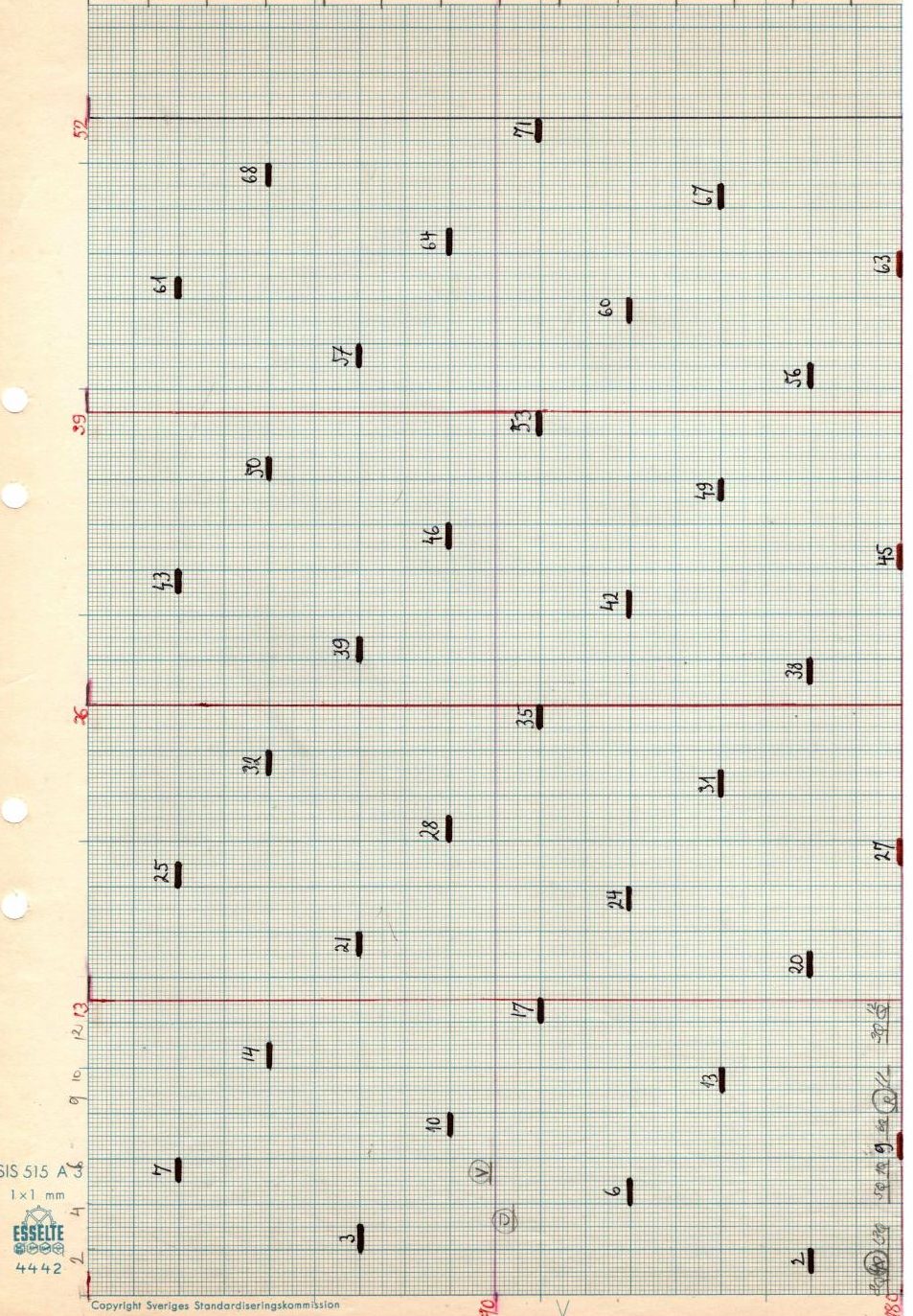
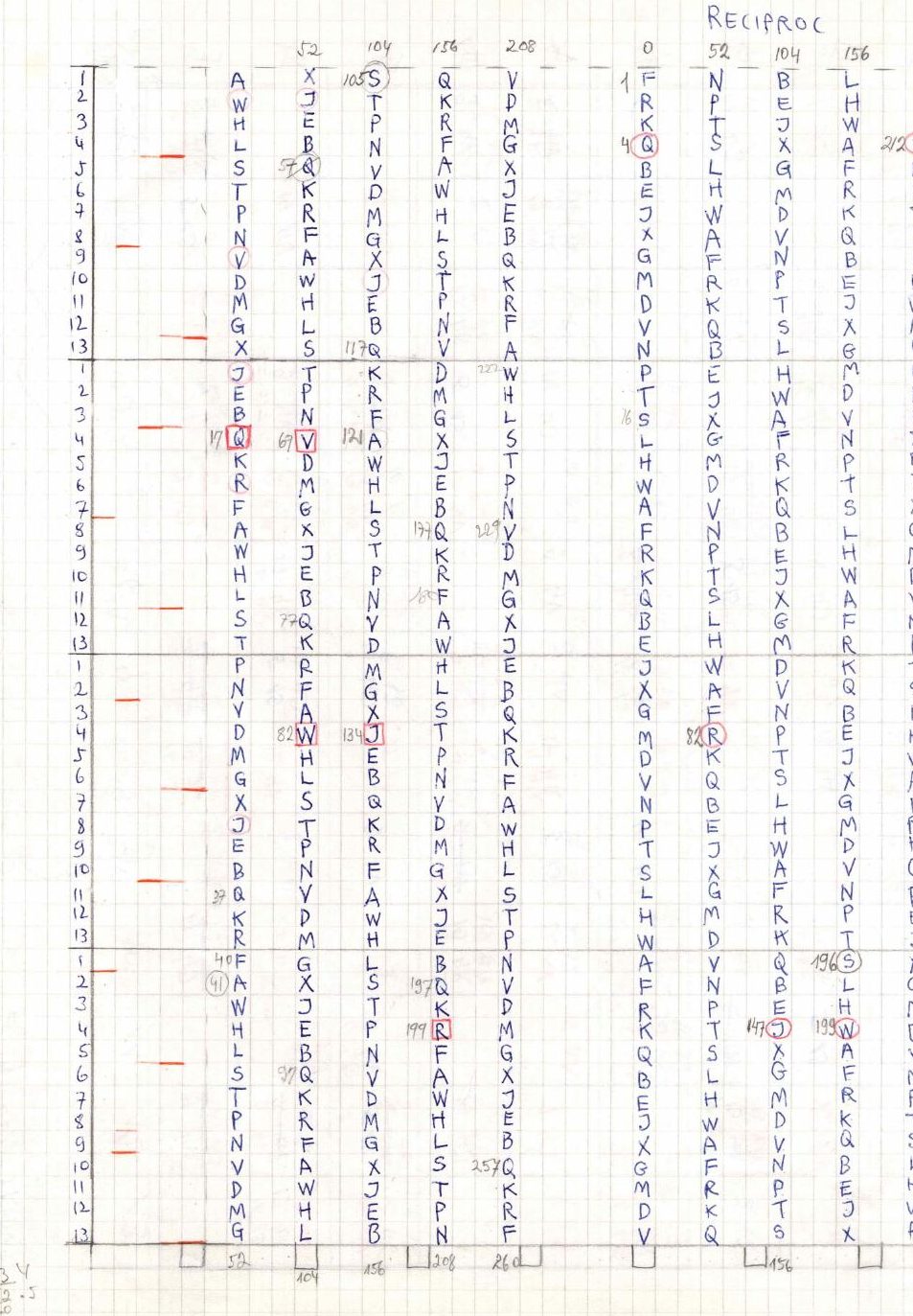
Before the calculation made it into a computer, Gabriel worked it all out by hand. Coloured tables of the 13-year cycle, calculations on graph paper and several versions of the flowchart have survived.
Curiosities
A four-leaf clover for Guinness
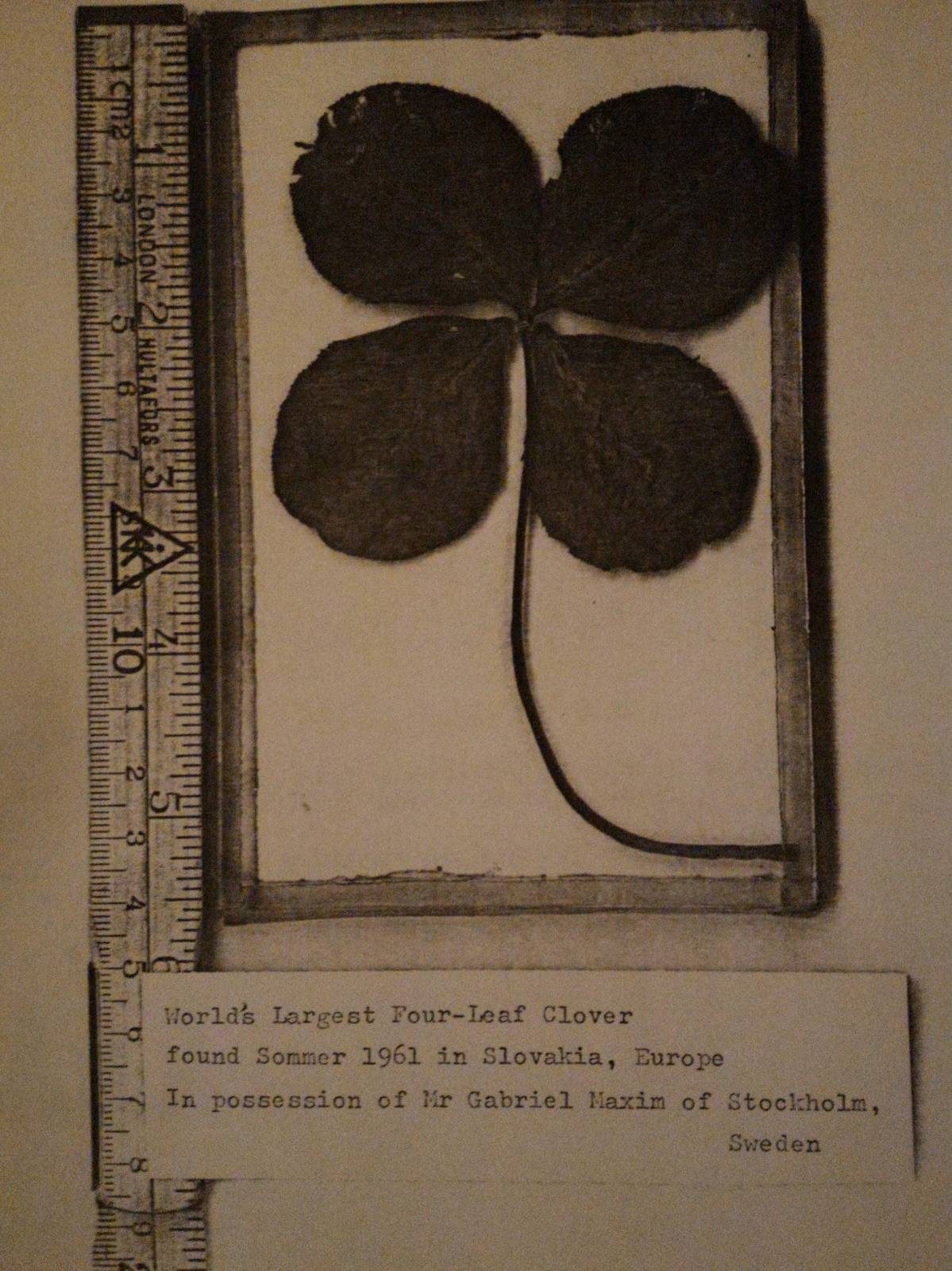
In June 1961 Gabriel Maxim found an exceptionally large four-leaf clover in Slovakia. He pressed it and labelled it “World’s Largest Four-leaf Clover”. He measured the leaf area precisely on graph paper: 43.59 cm² (6.756 square inches), with a stem of 11.2 cm.
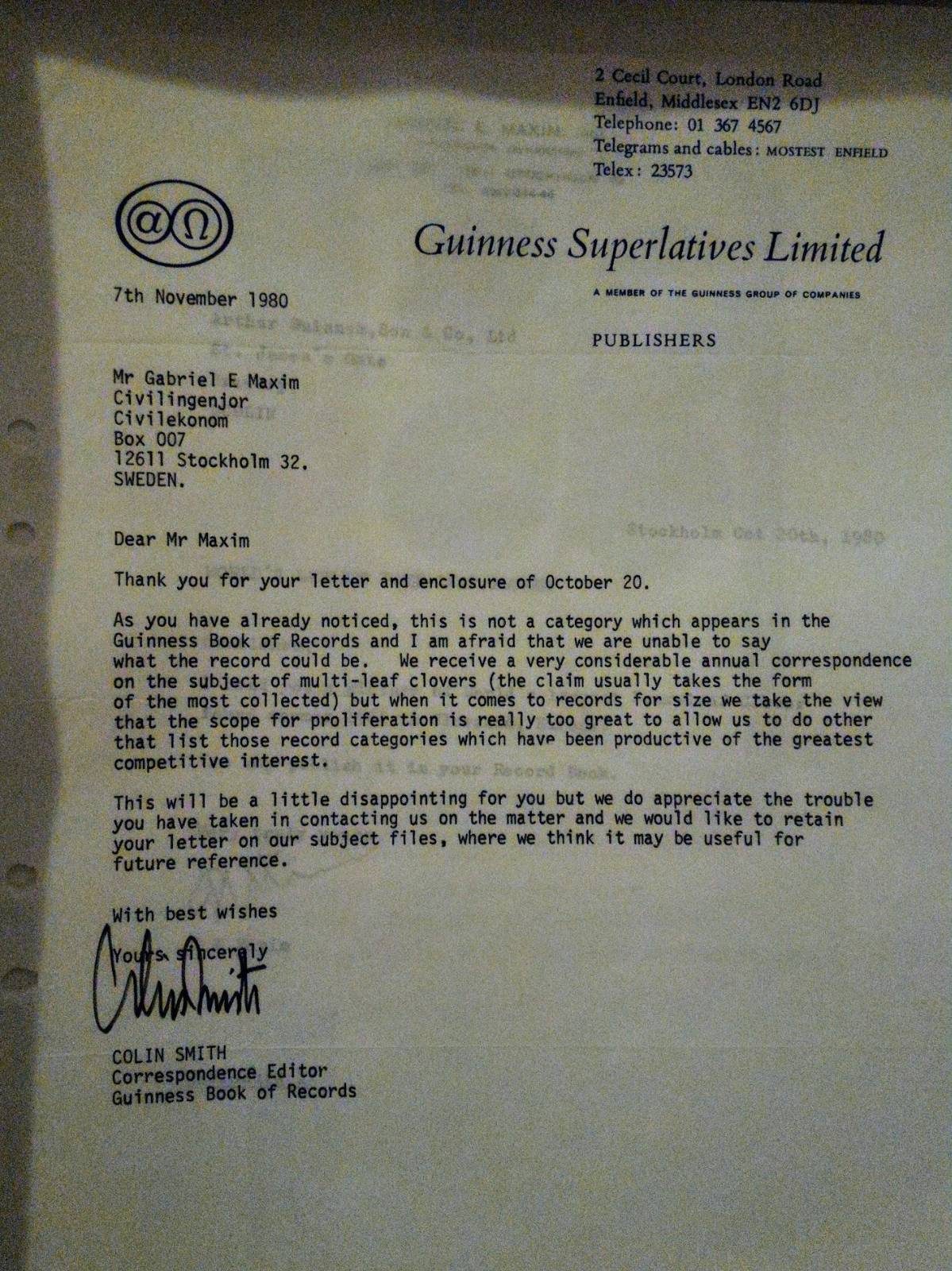
In the autumn of 1980 he submitted it from Stockholm to the Guinness Book of Records. On 7 November 1980 the editors replied that they did not keep such a category: they received many letters about four-leaf clovers, but did not record them by size. They nevertheless kept his letter in their archive.
Gabriel did not give up. On 30 March 1981 he proposed simple rules for a new record: the leaf area decides, then the stem length if equal, and the date of the find if that is equal too. “The four-leaf clover is a classic symbol of good luck and the Guinness Book of Records is incomplete without it,” he wrote. On 10 April 1981 the editor Colin Smith replied that his proposal would be kept as a useful point of reference.

Stonehenge for Disney
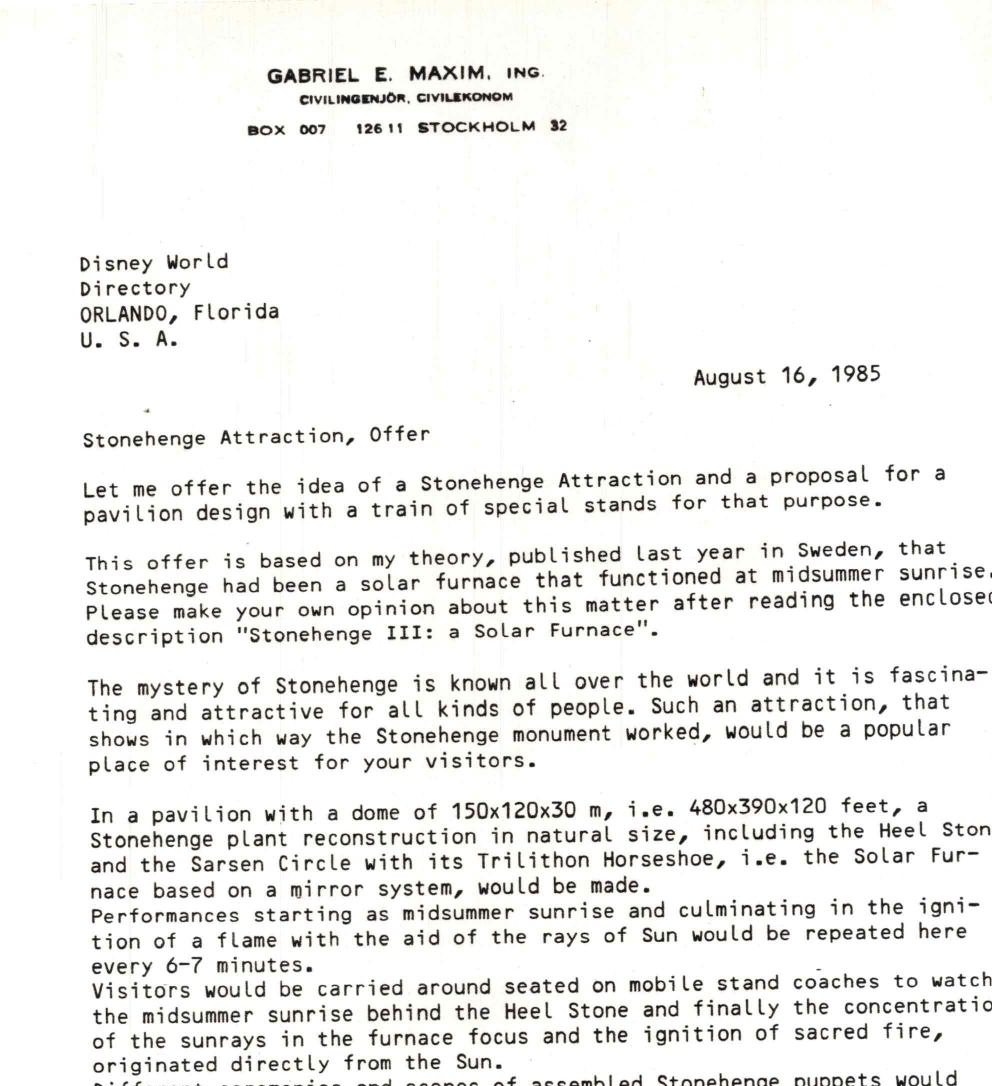
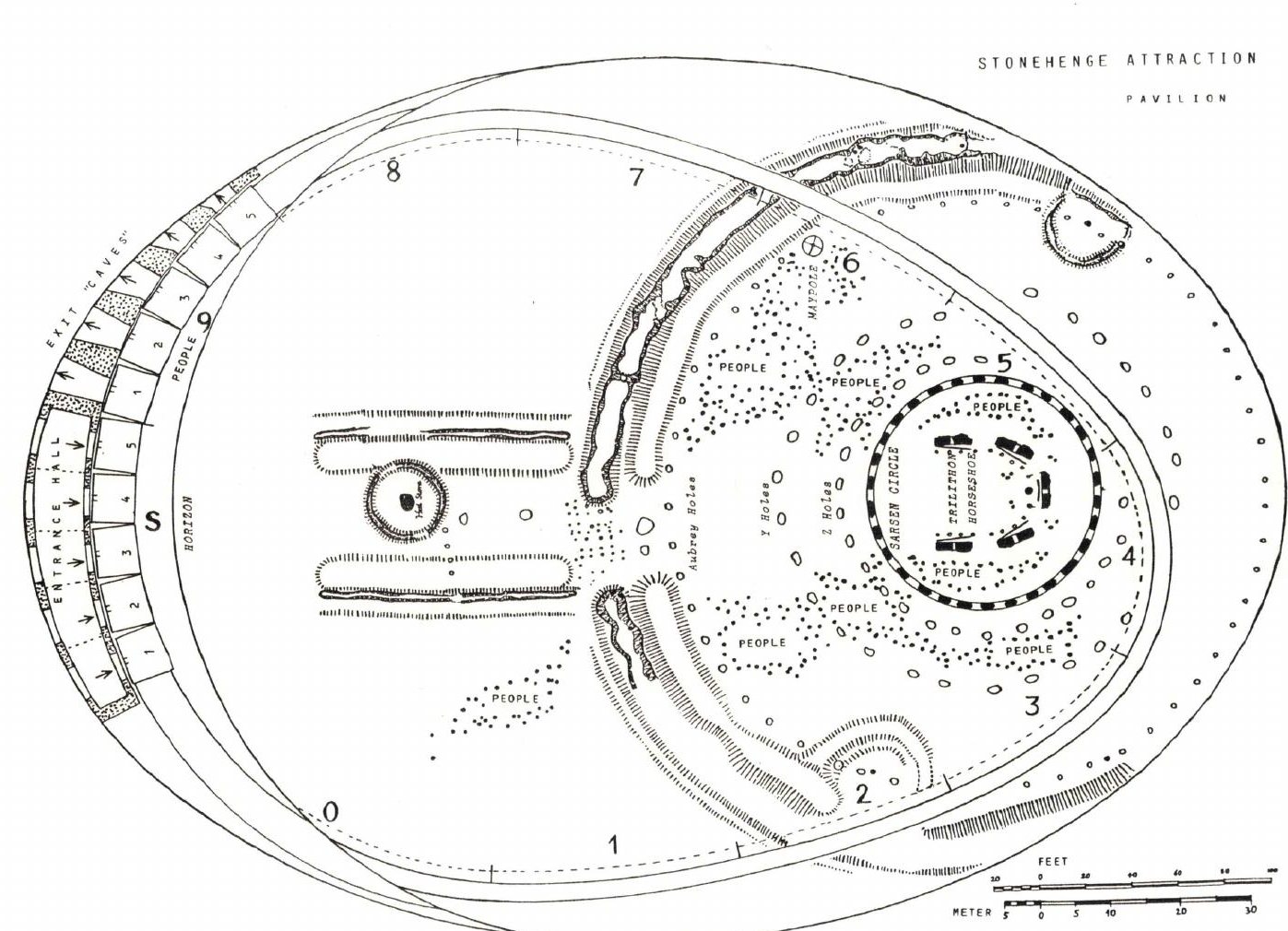
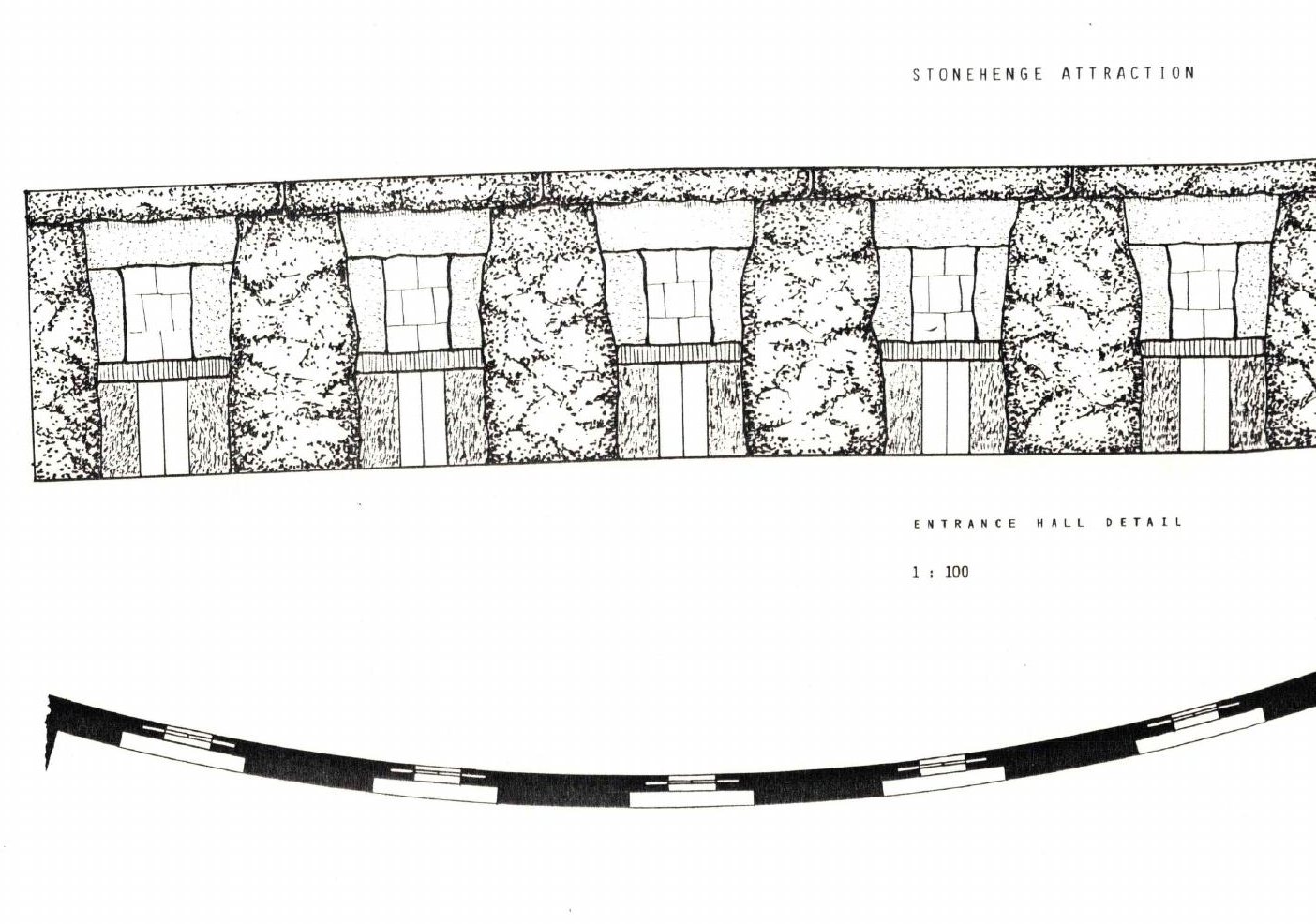
Gabriel wanted to turn his theory of Stonehenge as a solar furnace into an attraction. On 16 August 1985 he sent the management of Disney World in Orlando a “Stonehenge Attraction” offer with seven annexes: drawings of the pavilion, of cars with grandstands, of an entrance hall in megalithic style, and a detailed script.
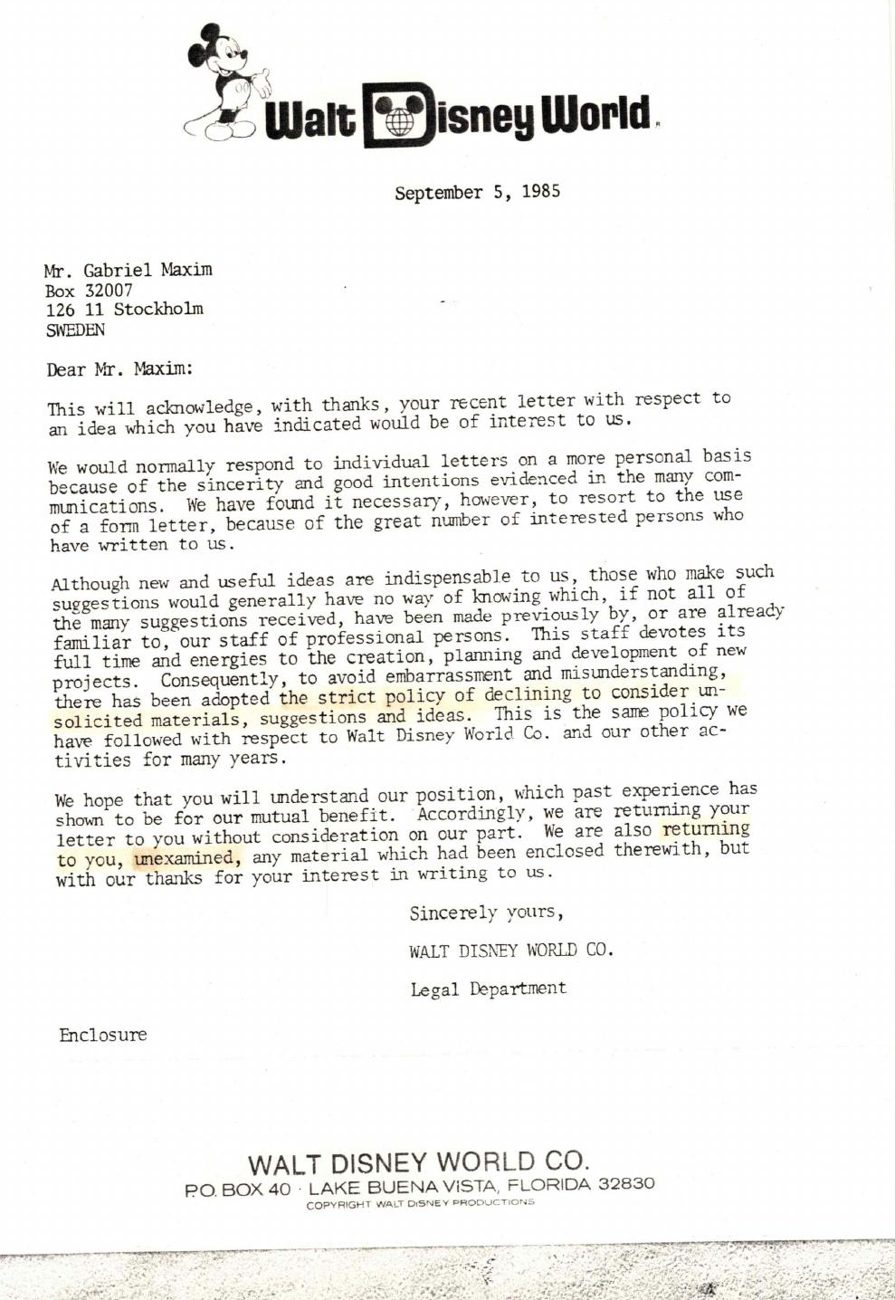
On 5 September 1985 the Walt Disney World legal department replied with a form letter: as a matter of principle the company does not consider unsolicited proposals and was returning the material “unreviewed”.
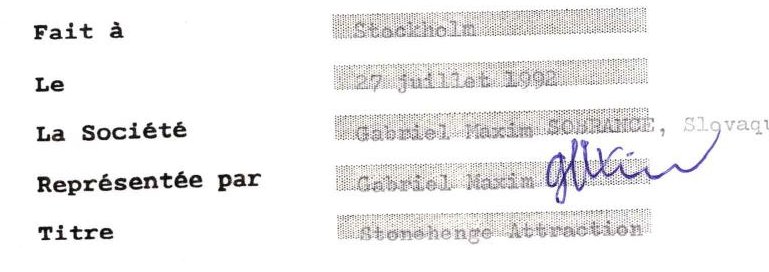
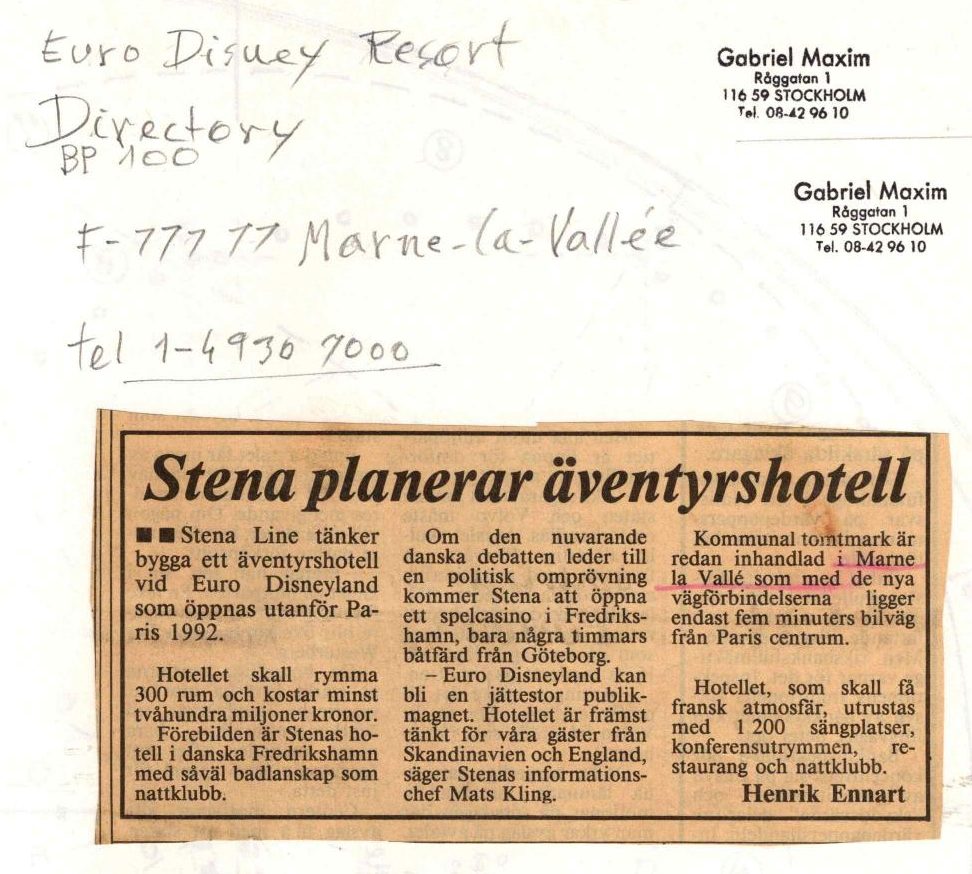
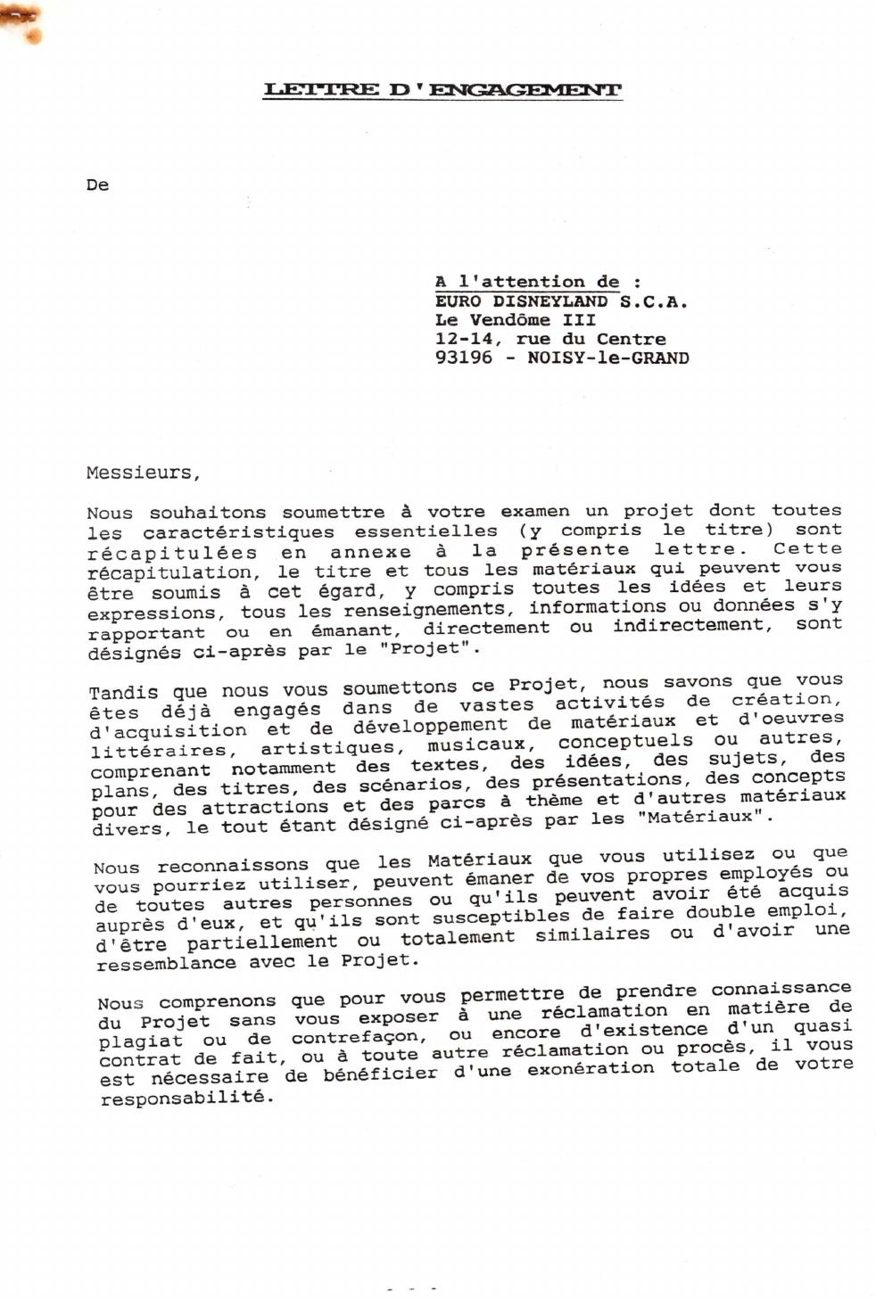
Gabriel did not give up. He also learned about Euro Disneyland from the Swedish press. He kept a clipping about the shipping company Stena Line planning a hotel by the park, and above it he noted by hand the address of the management, “Euro Disney Resort, Directory, Marne-la-Vallée”. Shortly after Euro Disneyland opened near Paris, he sent the “Stonehenge Attraction” offer again on 16 April 1992. Euro Disney received it on 30 April and sent him forms, which he signed in Stockholm on 27 July 1992 – a French “Lettre d’engagement” and an English “Release”. As sender he gave “Gabriel Maxim, Sobrance, Slovaquie”, adding that he was moving to Slovakia within two months. On 22 September 1992 the Euro Disney legal department returned the material – once again unreviewed.

The offer included seven hand-drawn technical drawings. They have survived in the archive.


The beauty of Stockholm
Gabriel also cared about the look of the city he lived in. In 1989 he wrote to Stockholm’s Council for the Protection of the City’s Beauty, proposing an artistic decoration for the ventilation chimney by the Skanstull bridge. On 4 October 1989 the council replied that it had already tried in vain to have the chimney decorated, and that his letter had prompted it to submit a new proposal.
Gabriel’s recipes
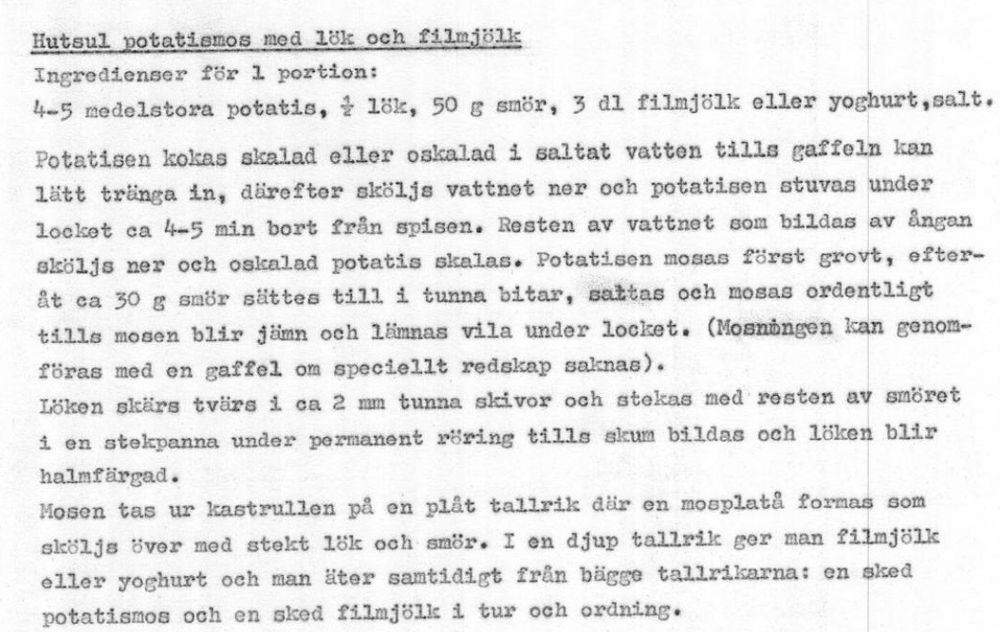
Four recipes typed out by Gabriel have survived in the archive – three in Swedish, as if he wanted to introduce the Swedes to the cooking of his home region, and one in Czech. We publish them in translation, exactly as he described them.
Hutsul mashed potatoes with onion and buttermilk
Hutsul potatismos med lök och filmjölk
For 1 serving
- 4 – 5 medium potatoes
- ½ onion
- 50 g butter
- 3 dl buttermilk (Swedish filmjölk) or yoghurt
- salt
Method
- Boil the potatoes, peeled or in their skins, in salted water until a fork goes in easily. Drain, then leave them covered off the heat to steam for about 4 – 5 minutes.
- Pour off the rest of the water formed by the steam and peel the potatoes if cooked in their skins.
- Mash the potatoes coarsely, then add about 30 g of butter in thin slices, salt and mash thoroughly until smooth. Leave to rest under the lid. (A fork will do if you have no special masher.)
- Slice the onion across into thin, about 2 mm rings and fry in the remaining butter, stirring constantly, until it foams and the onion turns straw-yellow.
- Turn the mash out onto a flat plate, shape it into a round and pour the fried onion and butter over it.
- Pour the buttermilk or yoghurt into a deep plate. Eat from both plates at once: a spoonful of mash, then a spoonful of buttermilk, in turn.
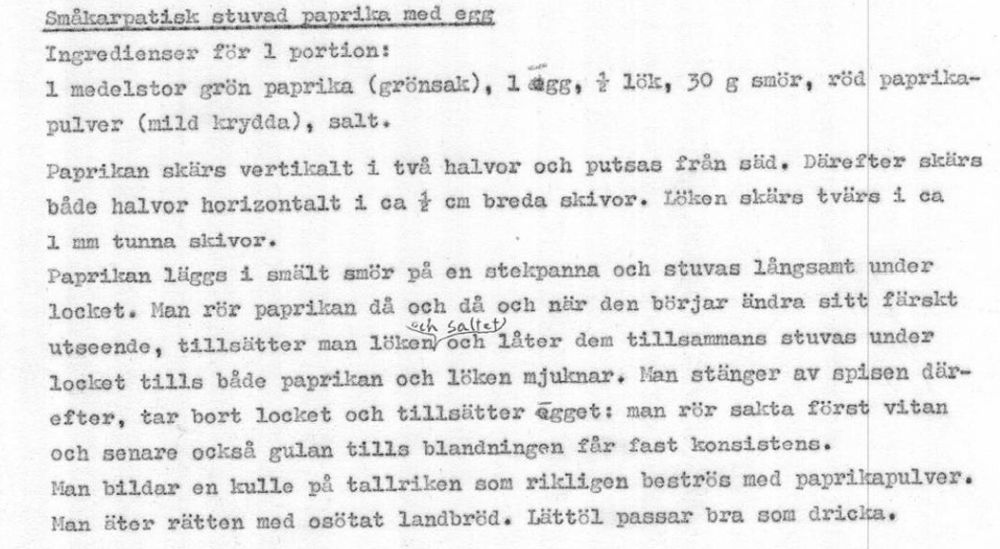
Subcarpathian stewed peppers with egg
Småkarpatisk stuvad paprika med ägg
For 1 serving
- 1 medium green pepper
- 1 egg
- ½ onion
- 30 g butter
- sweet ground paprika
- salt
Method
- Halve the pepper lengthwise and remove the seeds. Cut both halves across into strips about ½ cm wide. Slice the onion across into thin, about 1 mm rings.
- Put the pepper into melted butter in a frying pan and stew slowly under a lid, stirring now and then.
- When the pepper starts to lose its fresh look, add the onion and salt and stew together under the lid until both are soft.
- Turn off the heat, remove the lid and add the egg: stir slowly, first the white and then the yolk, until the mixture sets.
- Shape it into a mound on the plate and sprinkle generously with paprika.
Eat with unsweetened country bread. A light beer goes very well with it.
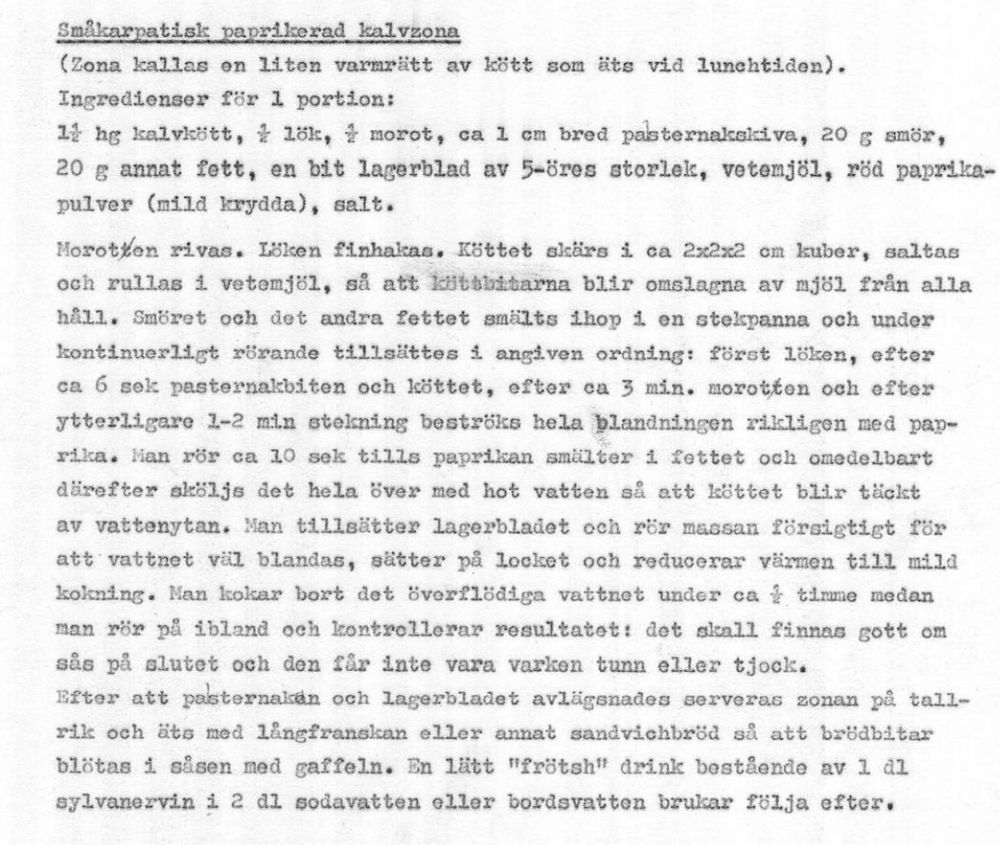
Subcarpathian paprika veal “zona”
Småkarpatisk paprikerad kalvzona
A “zona” is a small hot meat dish eaten at lunchtime.
For 1 serving
- 150 g veal
- ½ onion
- ½ carrot
- a parsnip slice about 1 cm thick
- 20 g butter
- 20 g other fat
- a piece of bay leaf the size of a small coin
- plain flour
- sweet ground paprika
- salt
Method
- Grate the carrot and chop the onion finely. Cut the meat into cubes of about 2 × 2 × 2 cm, salt them and roll in flour so they are coated on all sides.
- Melt the butter and the other fat in a frying pan and, stirring continuously, add in this order: first the onion, after about 6 seconds the parsnip and the meat, after about 3 minutes the carrot.
- After another 1 – 2 minutes of frying, sprinkle the whole mixture generously with paprika. Stir for about 10 seconds until the paprika melts into the fat, then immediately pour over hot water so the meat is just covered.
- Add the bay leaf and stir carefully to mix the water well. Cover and reduce to a gentle simmer.
- Cook off the excess water for about half an hour, stirring now and then and checking: at the end there should be plenty of sauce, neither thin nor thick.
- Remove the parsnip and bay leaf and serve the zona on a plate.
Eat it with a baguette or other bread, dipping pieces of bread into the sauce with a fork. It is usually followed by a light spritzer: 1 dl of Green Sylvaner wine with 2 dl of soda or table water.
Caraway sourdough loaf
Kmínový bochník z kvásku (Maxim-rcpt)
Gabriel called it the “Maxim recipe”. The whole process takes just under 2½ hours.
Ingredients
- 400 g rye bread flour
- 150 g wholemeal (graham) flour
- 25 g fresh yeast (½ cube)
- 180 g whey (can be replaced with water)
- 200 g water
- an egg-sized piece of sourdough starter
- 1 thimble of caraway seeds
- salt to taste
Method
- Pre-ferment: Mix the whey with the water and warm to body temperature. Mix both flours evenly in a bowl and take out 100 g for the pre-ferment. Make a well in the flour in the bowl, into which you will later pour the liquid mixture.
- Add the yeast to the sourdough and pour over about a third of the warm water and whey. Leave for a while so the yeast and sourdough soften. Meanwhile whisk the 100 g of flour into the remaining liquid to make a “flour milk”, add the caraway and whisk again (a slim glass jar works best).
- Finally mix the sourdough with the yeast, add to the flour liquid and whisk well so no large lumps of sourdough remain. Pour the mixture carefully into the well – ideally over a warmed spoon held just above the flour, so the liquid does not dig a hole in it. A small “lake” forms. Put the bowl in a warm place for half an hour so the flour warms up and the pre-ferment starts before kneading.
- Kneading and rising: Sprinkle salt in a circular motion over the fermented “lake”. With a wooden spoon, work the flour from the edge into the liquid to make a bread dough. Knead well so the dough is evenly firm throughout.
- Dust a board with half a handful of bread flour, turn the dough out onto it and shape a loaf. Put it straight into a cloth-lined proving basket or other form and leave to rise for 40 minutes in a warm place, out of draughts. Scrape the flour from the board into the bowl and, from the dough left on the bowl and spoon, knead a new starter – keep it in a small glass jar.
- Baking: Heat the oven to 230 °C. Grease a baking tray with butter and dust with plain flour, tapping (“drumming”) it to spread the flour evenly. Carefully turn the risen dough onto the tray and set it straight on the open oven door so it does not cool. Mist it with warm water (a fine spray!) and put it in the oven.
- Bake for 40 minutes without opening the oven. Then take the loaf out, brush it with warm water so the crust stays soft, and return it to the oven for another 5 minutes so the water evaporates and the bread finishes baking.
- Wrap the baked loaf in a cloth and let it cool on a rack so air reaches it from below too.
The loaf is exactly the size that fits under a plastic bread cover.

Translation: Dobrá Vila. Quantities and method follow Gabriel’s originals.
From the family archive
Timeline
Birth
Gabriel is born in Sobrance, son of the lawyer Dr. Eugen Maxim and Helena v. Dyck.
The villa
His father has the villa on today’s Štefánikova Street built; Gabriel grows up in it.
Sister Eva
His younger sister is born.
Uzhhorod
As a messenger for the Czechoslovak National Committee he witnesses the proclamation of Subcarpathian Ruthenia’s union with the USSR.
Patent application
Prefabricated suspended ceiling; patent specification No. 101654 published on 15 Nov 1961.
A giant four-leaf clover
He finds it in Slovakia and presses it.
Death of his father
Dr. Eugen Maxim dies in Sobrance.
Emigration
He leaves Czechoslovakia for Sweden and settles in Stockholm.
Maxims förlag
He founds his own publishing house in Stockholm. Its first title is the album “Frimärksalbum hela världen”.
Guinness Book of Records
He submits the four-leaf clover from Stockholm. The editors reply on 7 Nov 1980.
Rules for a record
He proposes rules to Guinness for the largest four-leaf clover. At Ericsson he is rewarded for proposing a software-testing simulator. The same year he loses his Czechoslovak citizenship.
Stonehenge – a solar furnace
He publishes the theory “Stonehenge III: a Solar Furnace” in Sweden.
Swedish patents
In Sweden he files further applications: “Environment with opening device” (1984), “Internal combustion engine” (1997) and “Test stick container with blood glucose measurement” (2007).
Stonehenge Attraction
He offers Disney World in Orlando an attraction based on his theory. On 5 Sept the material is returned unreviewed.
Scientific intuition
He writes an essay for Swedish Television.
The Planet of Trees
His own publishing house, Maxims förlag, publishes Trädens planet under the pseudonym Ael Gi. On 7 July Lars Gyllensten, chairman of the Nobel Foundation, writes to him. In December he appeals against a negative library review.
Retirement
He retires from Ericsson.
End of the publishing house
Maxims förlag ceases to exist. Gabriel writes an analysis of its failure: “Drága mulatság.”
The Borobudur manuscript
He offers it to the magazines ResGuide and Fenix.
Death of his mother
Helena Maximová, née v. Dyck, dies in Sobrance.
After twenty years
He visits Slovakia for the first time since emigrating.
Euro Disneyland and coming home
On 16 April he offers the “Stonehenge Attraction” to the park near Paris; on 27 July he signs the forms as “Gabriel Maxim, Sobrance, Slovaquie” and announces he is moving to Sobrance for good. On 22 September the material is returned unreviewed.
Did you know Gabriel Maxim?
If you have memories, photographs, letters or books connected with him, or if you met him on his travels or in Stockholm, we would be glad to meet you over a coffee.
Write to us Villa History