
Lawyer Maxim
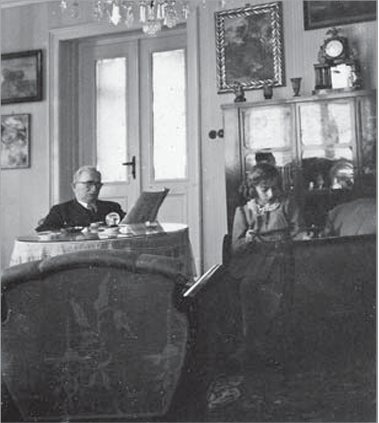
The Maxim family and the life of Sobrance lawyer Dr Eugen Maxim (1886 – 1967), for whom the villa was built.
The Maxim family
From Šariš to Sobrance
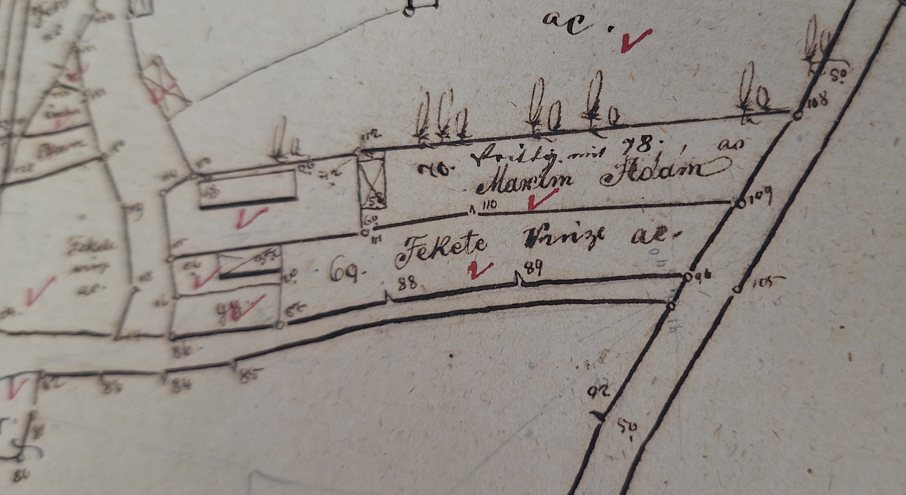
The surname Maxim comes from the Latin maximus, “the greatest”. In the sources it also appears as Maksim, Maxin or Maksin. The family came to Sobrance from the Šariš region in the 1840s. Adam Maxim was born on 21 December 1817 in Bardejovská Nová Ves. It was a family of craftsmen.
Adam Maxim’s plot appears in field sketches from 1863. At the 1869 census the family lived in house No. 70: one room, a hallway and a pantry, plus a stable and a barn. The household kept a mare, two geldings, a foal, a cow and a calf. Five members of the Maxim family and two servants lived there.
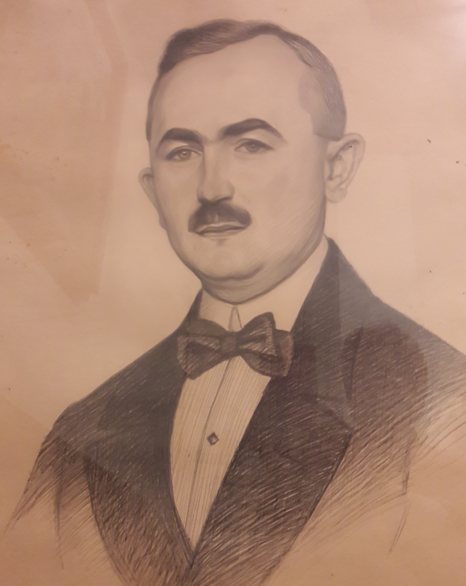
Dr. Eugen Maxim
Eugen Štefan (Jenő István) Maxim, 1886 – 1967. Lawyer and notary in Sobrance, and the man who built the villa.
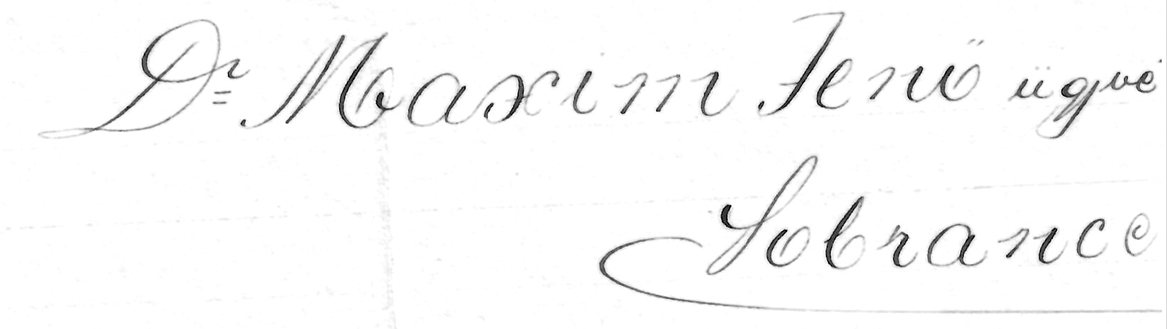
Advocate: the one who is called upon
The word advocate comes from the Latin ad-vocare, to call upon. A lawyer belonged to the local intelligentsia: a respected figure of standing and prestige, expected to be a moral authority.
In the Kingdom of Hungary, the legal profession was governed by Act XXXIV of 1874, which remained in force after 1918. A lawyer needed citizenship, a degree, professional practice and membership of the bar.
Childhood in Sobrance
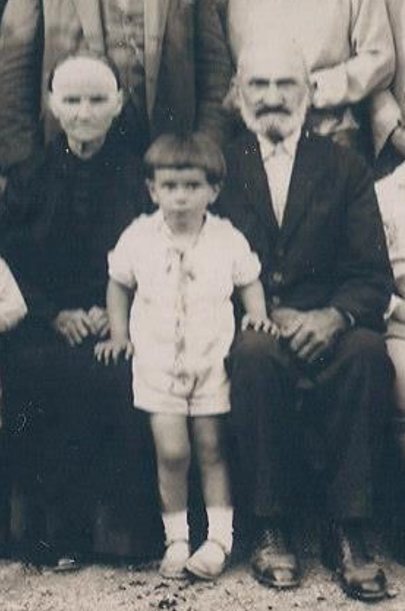
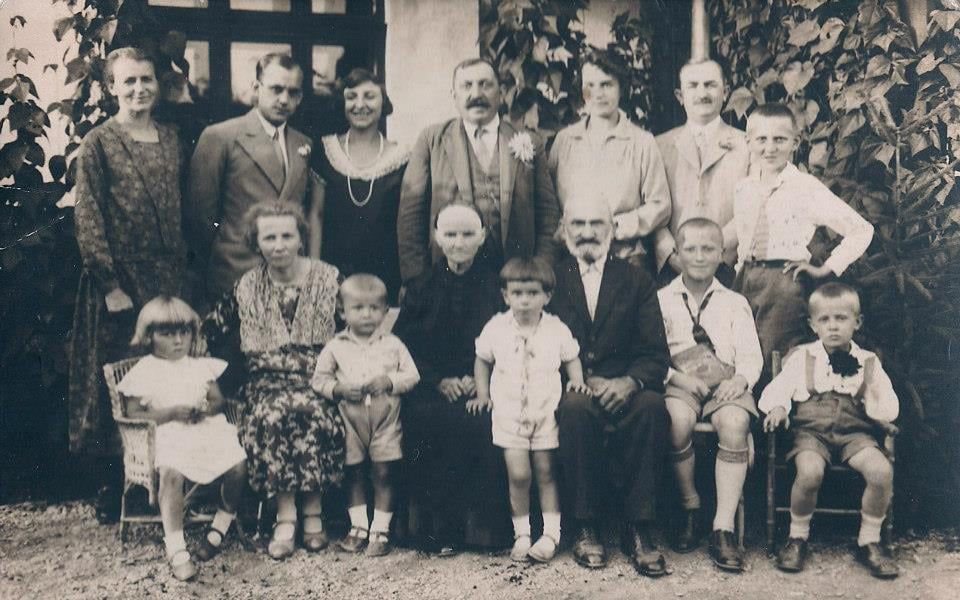
Eugen was born in Sobrance on 2 August 1886, the eldest child of the bootmaker Ján Maxim and Zuzana, née Milyko. His sisters Mária and Anna lived to adulthood; Juraj, Július, Michal, Zuzana and a second Július died in childhood. He also had two half-brothers, Jozef and Michal Vlacsiki.
His godfather was Michal Kükemezei. In the 18th and 19th centuries the Kükemezei family were landowners and nobility, later turning to manufacturing and politics. The family was therefore well placed to send their son to study.

Studies: Sobrance, Satu Mare, Budapest
In Austria-Hungary, children aged 6 to 10 attended compulsory primary school, and the only route to university was through a grammar school. Eugen attended primary school in Sobrance from 1892 to 1896, probably with excellent results. The town’s upper primary school was not founded until the 1920s.
From 1896 to 1904 he studied at the prestigious Royal Catholic Grammar School in Satu Mare (Szatmárnémeti), even though Uzhhorod was closer. He passed his school-leaving exams in June 1904 with very good results.
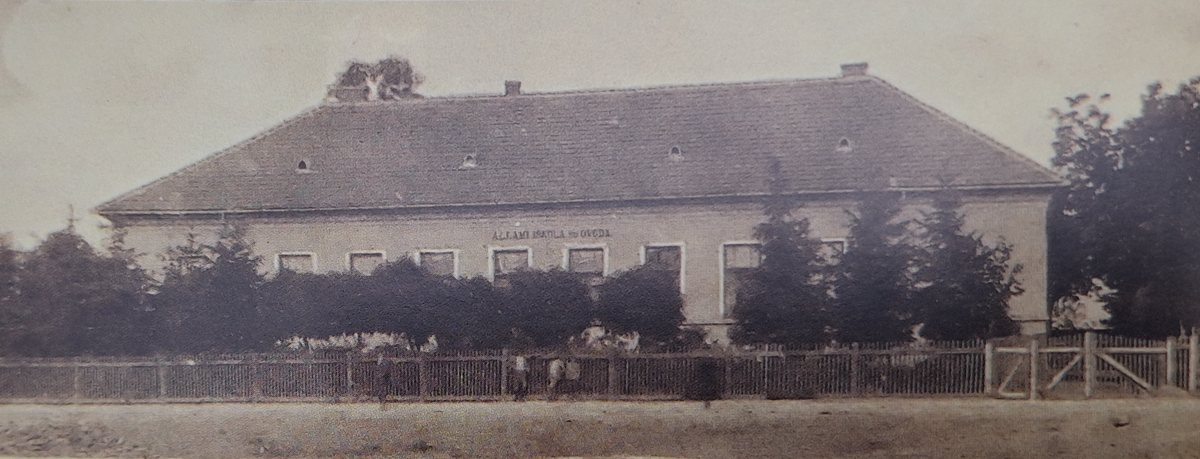

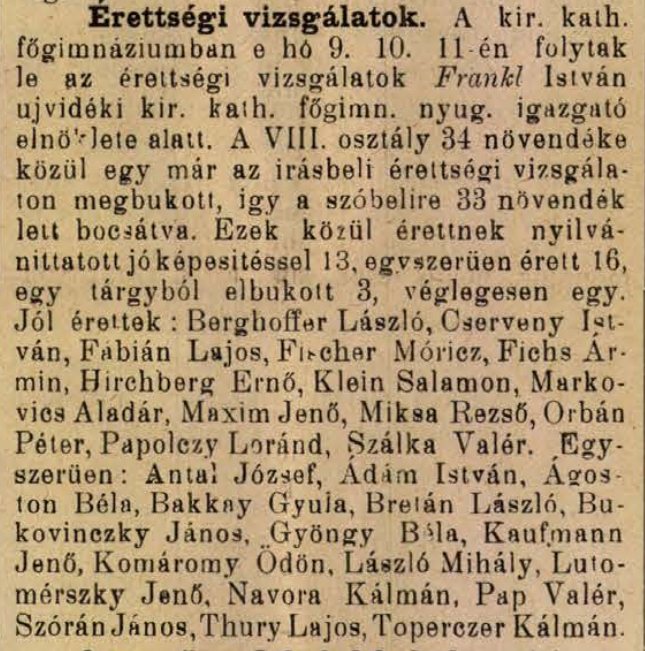
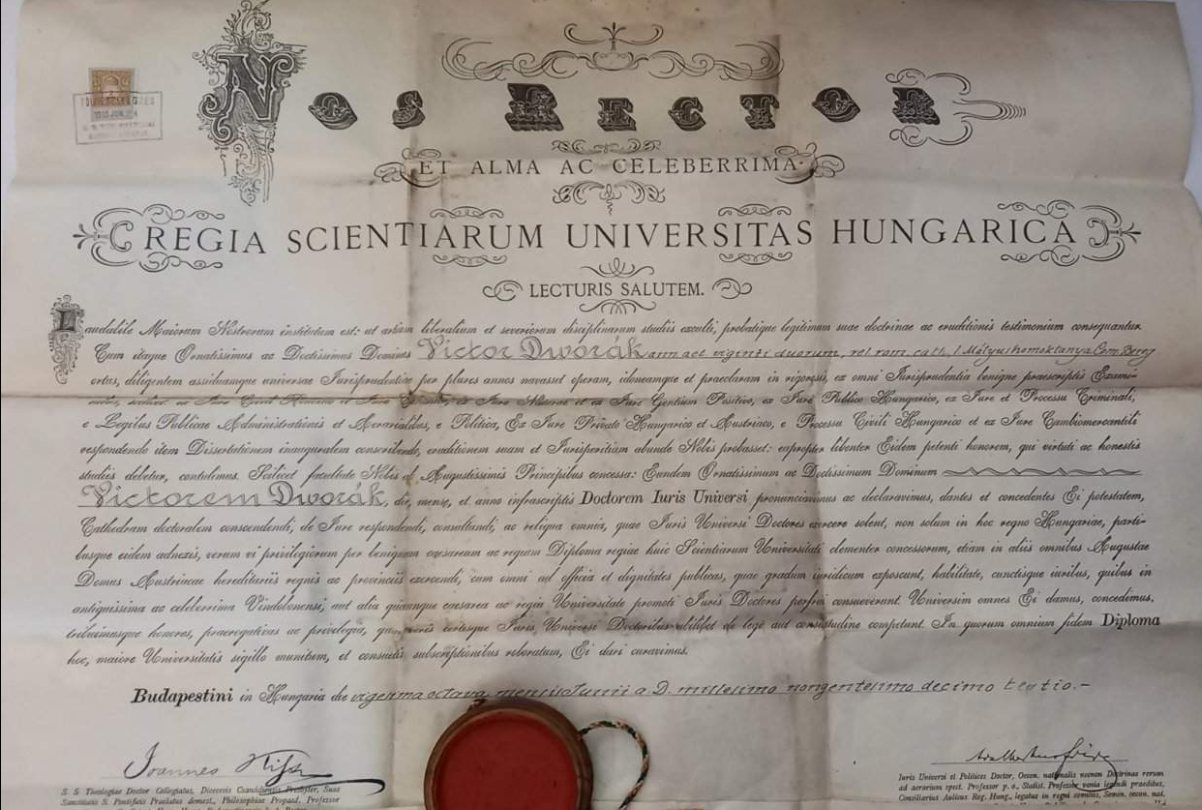
From 1904 to 1910 he studied law at the University of Budapest, today Eötvös Loránd University. Tuition for 1904/1905 was 75 crowns – a large sum at a time when a day’s wage was 1 – 2 crowns. Of 603 students, 315 had their fees waived. He was awarded his doctorate in law on 26 September 1910.

Legal training and lectures for the people of Sobrance (1910 – 1913)
Anyone wishing to sit the bar exam needed three years of legal practice at a court, a public prosecutor’s office, or with a notary or lawyer. Eugen most likely completed his in Sobrance. In October 1913 he became a member of the county’s legal committee – and the press of the day complained that “beginners” had been chosen instead of proven names.
He was also active in charity, supporting the Sobrance Reading Society, the grammar school in Uzhhorod and the Hungarian Red Cross. At the state school in Sobrance he gave public lectures on topics such as defamation, prenuptial agreements, and private and criminal law.
More than a hundred years later, lectures have returned to Sobrance – this time to his villa. Take a look at the discussion evenings at Dobrá Vila.
His own practice and the war (1913 – 1918)
On 20 April 1913 he was admitted to the bar in Máramarossziget and opened his own office in Sobrance. Few sources survive from these years, but files from 1913 show that he often represented creditors in enforcement proceedings and auctions.

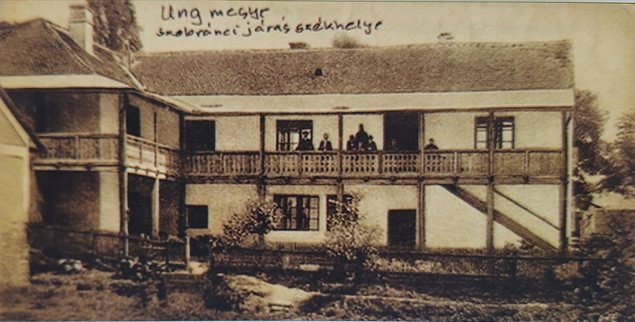
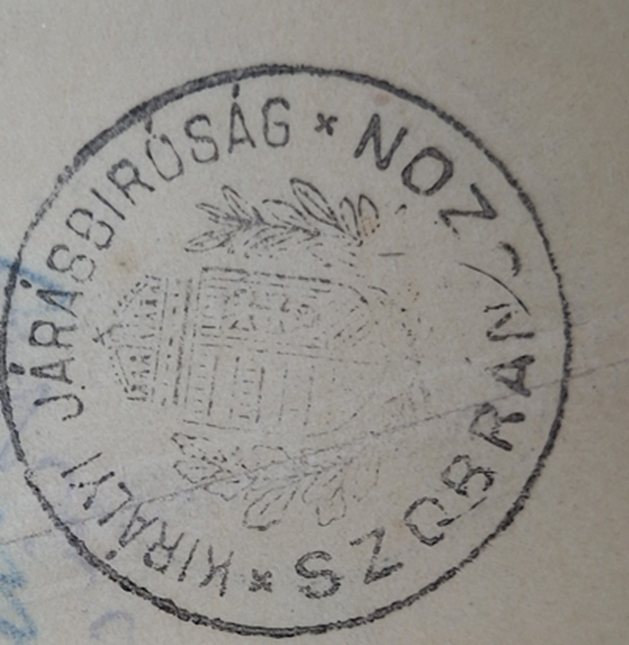
During the First World War he served in the military justice service with the 11th Honvéd Regiment and was promoted in 1917. He contributed 1,050 crowns to the war loan and supported the Red Cross as well as the Sobrance school May festival. In 1915 he took over the practice of the late lawyer Ján Szóráth.
In the First Czechoslovak Republic (1918 – 1939)
The birth of Czechoslovakia brought uncertainty to eastern Slovakia, where the new state was established only by military intervention. Most of the local intelligentsia spoke Hungarian or German, and the authorities watched their loyalty closely. Officials swore an oath of allegiance to the republic and attended language courses.
As a Hungarian, Eugen Maxim at first lost the right to practise law. He was admitted to the bar in Turčiansky Svätý Martin on 27 April 1921. He was also politically active, serving as a substitute county deputy for the Provincial Christian Social Party. When its local branch was founded in Sobrance on 18 August 1927, he was elected its legal counsel.
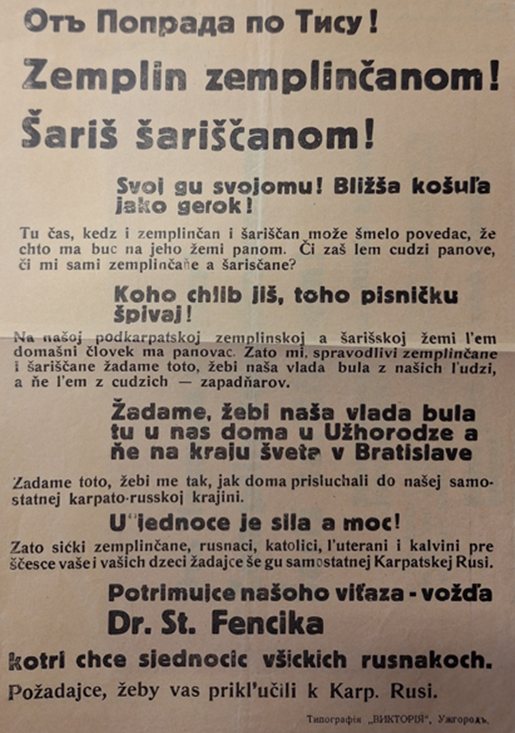
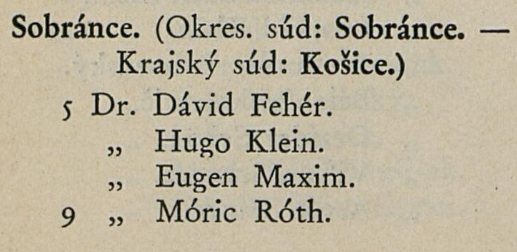
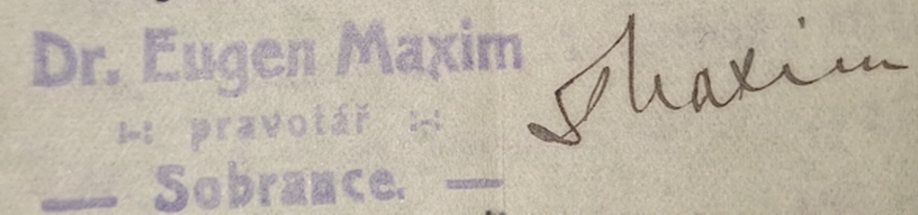

His workload kept growing. In 1932 he was looking for a trainee lawyer for his office “with a perfect command of Hungarian and Slovak”.
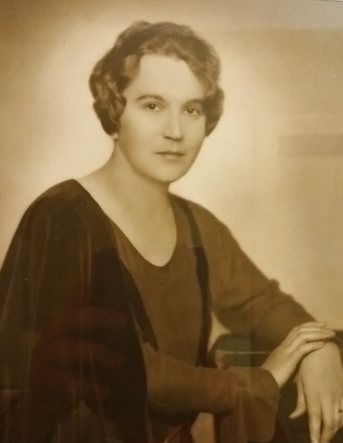
Helena Irena v. Dyck
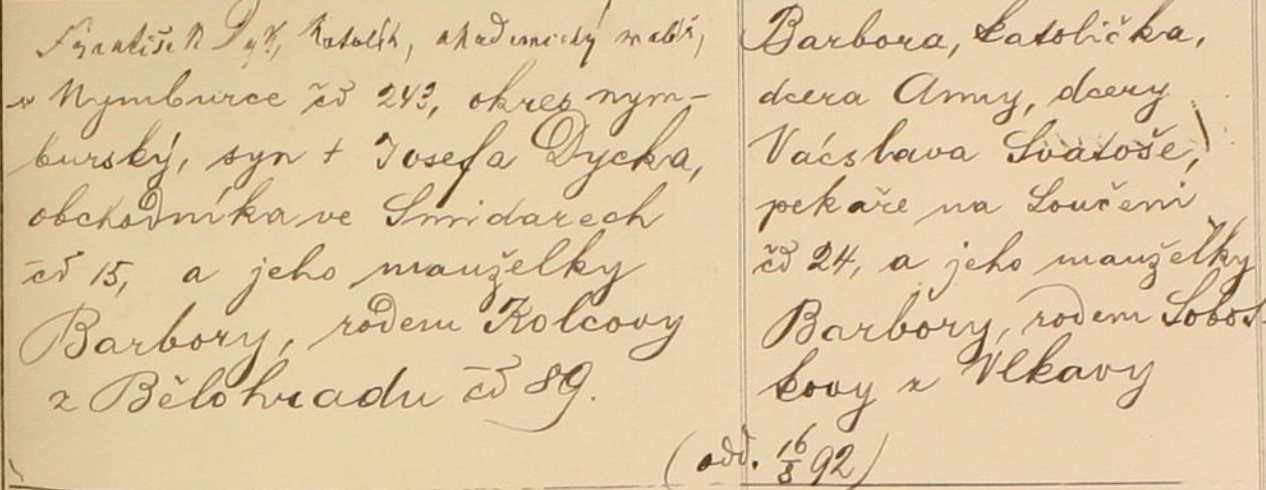
She was born on 15 December 1895 in Nymburk, the daughter of the academic painter František Dyck; the family may have had roots in a Flemish dynasty of painters. She came to Sobrance in 1922 and two years later, in 1924, married Eugen.
They had three sons and a daughter. Their first two sons, Jenko and Lacko, died before 1930. Gabriel was born in 1926 and Eva in 1931.
Royal notary (1939 – 1944)
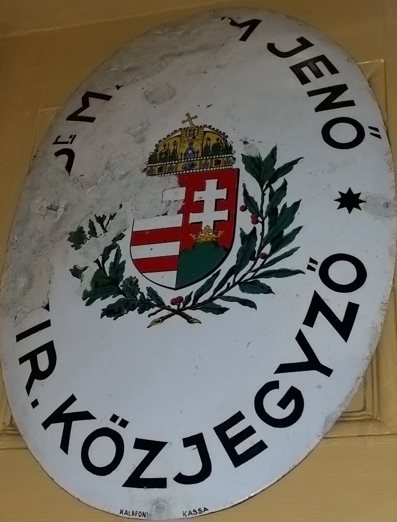
After the Little War of March 1939, Sobrance became part of the Kingdom of Hungary. Dr Maxim was appointed royal public notary (királyi közjegyző) and sat on the welcoming committee for official visits. His attitude to Magyarisation and to the Slovaks remains a question for further research.
The original enamel office sign from these years has survived.
After the war (1945 – 1967)
After 1945 the authorities kept watch on residents of German and Hungarian nationality. Dr Maxim found himself on a list of people not recommended by the re-Slovakisation commission: “Dr. Eugen Maxim, no criminal complaint. Doctor, lawyer, intellectual, not recommended by the re-Slovakisation commission.” He finally obtained a certificate of Slovak nationality in July 1946 and its confirmation in November 1949. His connections helped, but by then, in old age, he had withdrawn from public life.
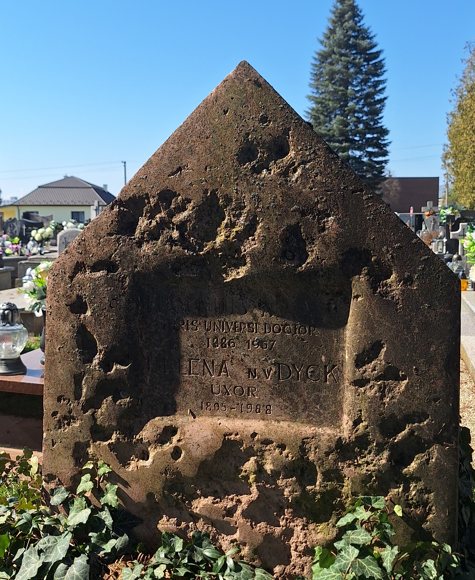
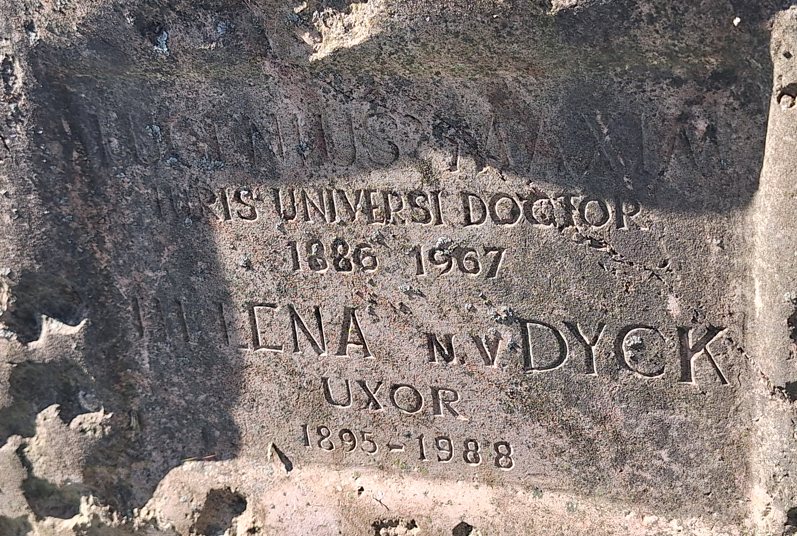
He died in Sobrance in 1967. Helena outlived him by 21 years. They rest together beneath a shared gravestone bearing the Latin inscription „Eugenius Maxim, iuris universi doctor, 1886 – 1967 · Helena n. v. Dyck, uxor, 1895 – 1988“.
Timeline
Adam Maxim
Adam Maxim is born in Bardejovská Nová Ves. The family later moves from the Šariš region to Sobrance.
First traces in Sobrance
Field sketches of Adam Maxim’s plot. At the census, the family lives in house No. 70.
Birth of the architect
Ernő Kavasch is born in Ľubica near Kežmarok.
Birth of Eugen Maxim
The eldest son of Ján Maxim, a bootmaker in Sobrance.
School and grammar school
Primary school in Sobrance, grammar school in Satu Mare, school-leaving exams passed with very good results.
Doctor of Law
Graduates from the University of Budapest.
Lectures for the people of Sobrance
Popular educational lectures at the state school, attended by 100 – 110 listeners.
His own law office
Admitted to the bar in Máramarossziget (today Sighetu Marmației); opens his own office in Sobrance.
War
Military legal service with the 11th Honvéd Regiment. In 1915 he takes over the practice of the late lawyer Ján Szóráth.
A lawyer in Czechoslovakia
Admitted to the bar in Turčiansky Svätý Martin.
Helena v. Dyck
The daughter of a painter from Nymburk arrives in Sobrance. In 1924 she marries Eugen.
Birth of Gabriel
Later an engineer, globetrotter and Swedish citizen.
Politics
Dr Maxim acts as legal counsel to the new local branch of the Christian Social Party.
Building the villa
Designed and built by Kavasch & Son of Uzhhorod. The Art Deco furniture is made in Košice in 1928.
Birth of Eva
The youngest of the Maxim children.
Royal notary
After Sobrance is annexed to Hungary, Dr Maxim serves as a royal public notary.
Nationality
Certificate and confirmation of Slovak nationality.
Patents
Gabriel Maxim patented several inventions: “Prefabricated suspended ceiling”, patent No. 101654 (Czechoslovakia, 1960/1961), „Environment with opening device” (Sweden, 1984), „Internal combustion engine” (Sweden, 1997) and „Test stick container with blood glucose measurement” (Sweden, 2007).
The four-leaf clover
Gabriel finds a giant four-leaf clover. In 1980 he submits it to the Guinness Book of Records.
Death of Dr Maxim
Dr Eugen Maxim dies in Sobrance at the age of 81.
Helena
Helena Maximová, née v. Dyck, dies in Sobrance.
A new beginning
For the first time, the villa passes to a family unrelated to its builder. Restoration begins.
The tiled stove goes to the museum
The Zemplín Museum in Michalovce acquires the villa’s neoclassical tiled stove and, after restoration, puts it on display in its historical exhibition.
Dobrá Vila opens
The villa opens as a café and cultural venue. The library of its last resident remains its heart.
The story comes home
At the discussion evening The Lawyer of Sobrance, Samuel Šabak presented the life of Dr Eugen Maxim – right inside his own villa.
Chapters I and II are based on archival research by Samuel Šabak, a student of archival studies. Sources: parish registers, the 1869 and 1930 censuses, the Slovak National Archives (Provincial Office in Bratislava collection), the period press (Ung, Heti Szemle, Ungvári Közlöny, Naša zastava, Slovenská pravda, Prágai Magyar Hirlap, Úradné noviny župy Košickej) and P. Kónya, M. Molnár: Dejiny Sobraniec [A History of Sobrance] (2013).
Do you remember the villa differently?
If you have old photographs, documents or memories of the Maxim family or of the villa on Štefánikova Street, the owners of Dobrá Vila would be delighted to meet you over a coffee.
Write to us Culture at the Villa